- Mittwoch, 13. Mai 2026
- Donnerstag, 14. Mai 2026
- Freitag, 15. Mai 2026
- Samstag, 16. Mai 2026
- Sonntag, 17. Mai 2026
- Montag, 18. Mai 2026
- Dienstag, 19. Mai 2026
- Mittwoch, 20. Mai 2026
- Donnerstag, 21. Mai 2026
- Freitag, 22. Mai 2026
- Dienstag, 26. Mai 2026
- Mittwoch, 27. Mai 2026
- Donnerstag, 28. Mai 2026
- Freitag, 29. Mai 2026
- Samstag, 30. Mai 2026
| Mo Montag | Di Dienstag | Mi Mittwoch | Do Donnerstag | Fr Freitag | Sa Samstag | So Sonntag |
|---|---|---|---|---|---|---|
|
27
Montag, 27. April 2026
|
28
Dienstag, 28. April 2026
|
29
Mittwoch, 29. April 2026
|
30
Donnerstag, 30. April 2026
|
1
Freitag, 1. Mai 2026
|
2
Samstag, 2. Mai 2026
|
3
Sonntag, 3. Mai 2026
|
|
4
Montag, 4. Mai 2026
|
5
Dienstag, 5. Mai 2026
|
6
Mittwoch, 6. Mai 2026
|
7
Donnerstag, 7. Mai 2026
|
8
Freitag, 8. Mai 2026
|
9
Samstag, 9. Mai 2026
|
10
Sonntag, 10. Mai 2026
|
|
11
Montag, 11. Mai 2026
|
12
Dienstag, 12. Mai 2026
|
13 Mittwoch, 13. Mai 2026 | 14 Donnerstag, 14. Mai 2026 | 15 Freitag, 15. Mai 2026 | 16 Samstag, 16. Mai 2026 | 17 Sonntag, 17. Mai 2026 |
| 18 Montag, 18. Mai 2026 | 19 Dienstag, 19. Mai 2026 | 20 Mittwoch, 20. Mai 2026 | 21 Donnerstag, 21. Mai 2026 | 22 Freitag, 22. Mai 2026 |
23
Samstag, 23. Mai 2026
|
24
Sonntag, 24. Mai 2026
|
|
25
Montag, 25. Mai 2026
|
26 Dienstag, 26. Mai 2026 | 27 Mittwoch, 27. Mai 2026 | 28 Donnerstag, 28. Mai 2026 | 29 Freitag, 29. Mai 2026 | 30 Samstag, 30. Mai 2026 |
31
Sonntag, 31. Mai 2026
|
Resurrection Plants: future perspectives for resistance to water stress and freezing
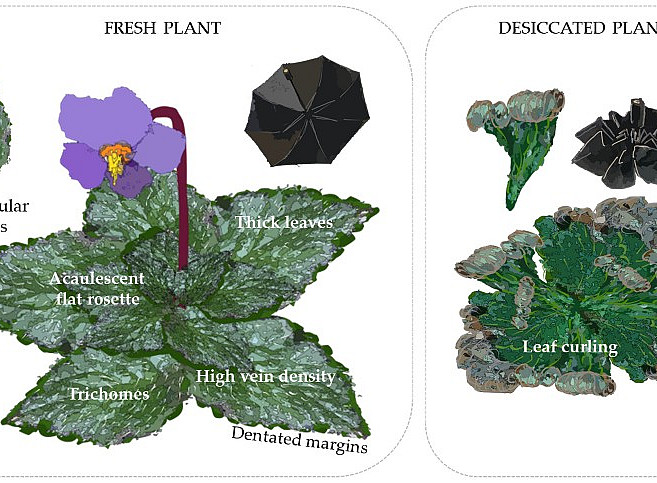
Bekim GASHI (Prishtina, Kosovo): Plants of the genus Ramonda, such as Ramonda nathaliae and Ramonda serbi-ca, represent a unique group of so-called “Resurrection Plants,” which have the extraordinary ability to survive extreme dehydration and to restore their physiolog-ical activity upon rehydration. These species, distributed mainly in the Balkan Peninsula, have developed specialized ecological and physiological mechanisms that enable them to cope with harsh environmental conditions, such as water scarcity and low temperatures.
The seminar will concentrate on these extraordinary ecological and physiological mechanisms focusing on photosynthetic activity, chlorophyll fluorescence, sec-ondary metabolite content, and antioxidant capacity. Following the return of fa-vorable conditions and rehydration, these plants demonstrate an extraordinary capacity for recovery, and fully restoring photosynthetic activity.
In conclusion, these species represent valuable models for understanding the mechanisms of tolerance to cold stress and dehydration. Their study not only contributes to advances in plant physiology but also offers perspectives for prac-tical applications in agriculture, particularly in the development of crops more re-sistant to adverse climatic conditions.