Effects of fungal hybridization in endophytes of genus Epichloë
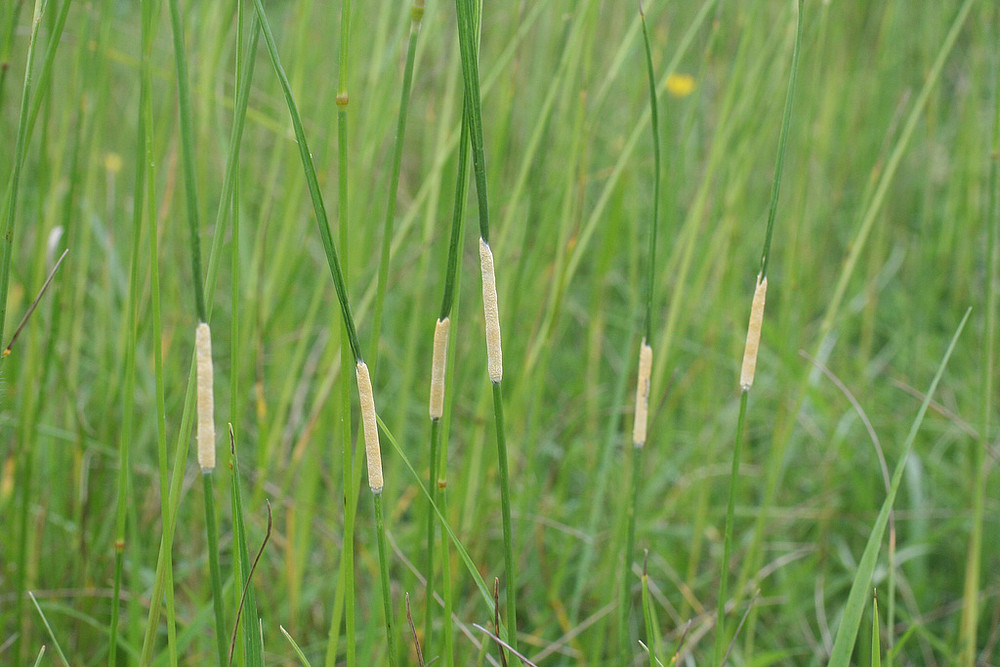
Martina Oberhofer (Wien): Epichloë endophytes are highly specialized fungal mutualists of pooid temperate grass hosts that are known for their diverse life history traits and somatic hybridization. Heteroploid hybrid fungi are reproductively isolated because of clonal proliferation. Contrasting to limited hybrid occurrence in plants and animals, their frequency in natural host populations exceeds those of haploid non-hybrids suggesting a selective advantage.
We investigated biogeographic distribution of Epichloë hybrid and non-hybrid species based on phylogenetic analyses in different host grass species and inferred independent host jumps and hybrid speciation events. Alkaloid profiling revealed higher alkaloid diversity in hybrid endophytes, however, attempts to verify greater abiotic stress relief mediated by hybrid endophytes failed. Despite ambiguos results for host fitness benefits provided by hybrid endophytes we found evidence for higher dispersal rates by asexual conidia through horizontal spread. New insights in the persistence and dispersal of Epichloë endophytes may increase limited knowledge on other fungal hybrids, which are known to become invasive, have higher virulence and broader host ranges.