Conflict at the Interface
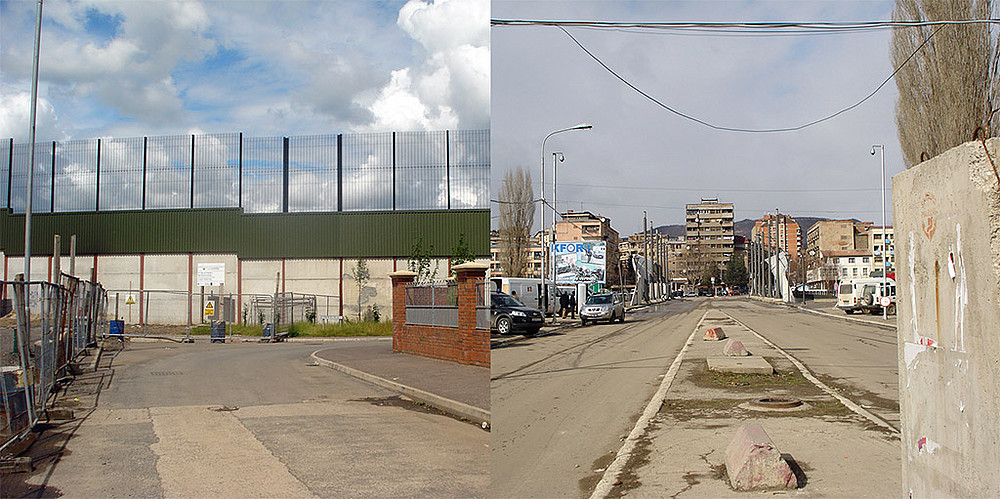
The PhD project explores the impact of ethno-national and socio-economic class divisions on inter-group conflict in interface and enclave communities in Northern Ireland and Kosovo – i.e. areas that are geographically located in close proximity to the other ethno-national community. A particular focus is to investigate to what extent inter-group conflict is shaped and influenced by hegemonic interests and power struggles of the divided ethno-nationalist elites – in Northern Ireland between British Unionists and Loyalists and Irish Republicans and Nationalists and in Kosovo between Kosovo Albanians and Serbs. Specifically, the questions are if and how a particular governance regime gets reproduced over time and how far the dominant values and ideologies translate into the everyday life of interface and enclave communities and shape community relations.
In order to explore the research aims, qualitative field research has been conducted in conflict-prone interface and enclave communities in Kosovo and in Northern Ireland. The theoretical approach draws particularly on a neo-Gramscian approach to hegemony and power relations and material- and identity-based conflict theories. Importantly, the project is not a strict comparison of the two cases under study but aims to generate a broader picture of the factors and processes shaping interface conflicts and thus to achieve the broader aim of drawing generalizable conclusions with regard to the interplay and impact of ethno-national identity and resource inequality issues on conflict in divided societies. Overall, the research aims to make a contribution to the study of conflict at the interface in divided societies and of the impact of hegemonic power relations.