- Donnerstag, 5. März 2026
- Freitag, 6. März 2026
- Samstag, 7. März 2026
- Sonntag, 8. März 2026
- Montag, 9. März 2026
- Dienstag, 10. März 2026
- Mittwoch, 11. März 2026
- Donnerstag, 12. März 2026
- Freitag, 13. März 2026
- Samstag, 14. März 2026
- Sonntag, 15. März 2026
- Montag, 16. März 2026
- Dienstag, 17. März 2026
- Mittwoch, 18. März 2026
- Donnerstag, 19. März 2026
- Freitag, 20. März 2026
- Samstag, 21. März 2026
- Sonntag, 22. März 2026
- Montag, 23. März 2026
- Dienstag, 24. März 2026
- Mittwoch, 25. März 2026
- Donnerstag, 26. März 2026
- Freitag, 27. März 2026
- Samstag, 28. März 2026
- Sonntag, 29. März 2026
- Montag, 30. März 2026
- Dienstag, 31. März 2026
Workshop: Enrique Cerezo Herrero, Universitat de València
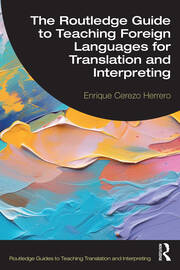
Language instruction for translators and interpreters constitutes a core component of their professional training and is essential to ensuring students’ success when they carry out translation and/or interpreting tasks. Without in- depth linguistic knowledge that is explicitly linked to translation practice, the development of translation competence, and by extension, the range of sub-skills it entails, may be compromised. In this context, the language lecturer plays a crucial role in building bridges between students’ linguistic competence and their emerging translation skills.
Despite the importance of this training, it has received limited attention in both research and pedagogical practice. As a result, lecturers often lack specialized bibliographic resources and appropriate teaching materials that would enable them to foster the foreign-language cognitive skills required for effective translation and interpreting. Consequently, many of them are compelled to design their own materials.
This workshop addresses this gap by focusing on the development of pedagogically sound materials that explicitly connect language learning with translation and interpreting practice. It aims to provide concrete strategies for designing targeted training that responds to students’ academic and professional needs.