Bruce Springsteen sings about the “bloody veil” of Minneapolis. Millions are protesting against the government in the United States. “There are also numerous organisations that support migrants and defend the rights of those who have fled. Civil society is also fighting back creatively, for example in the form of ice block costumes, against the ICE agency,” explains Nicole Haring from the Graz School of Interdisciplinary Transnational Studies.
But how can the public discourse, which is dominated by Donald Trump’s politics, be steered more towards criticism and protest? What role do democratic structures play in this, and how can they be strengthened? These are questions that concern not only the American literary and cultural scholar.
Around 100 speakers, including former Guantánamo detainees and human rights activists, will address this topic at the conference “Camps, Belonging, and Abolition Democracy” from 4 to 7 June 2026 at the University of Graz.
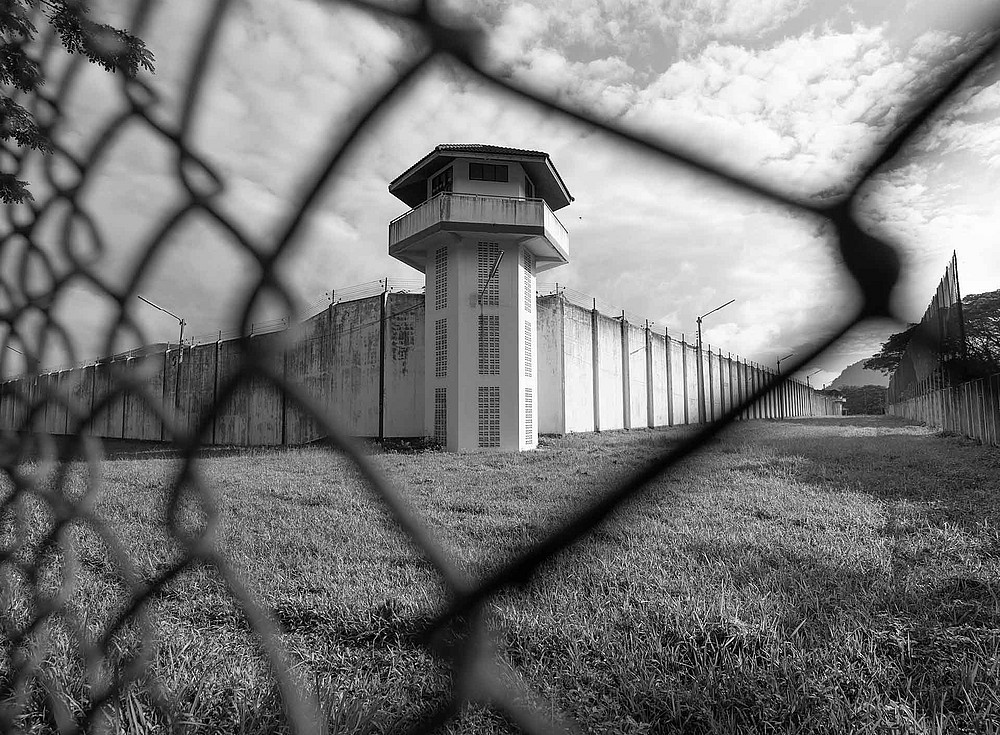
“Camps are both places of isolation, racism and abuse, as well as a geopolitical instrument,” explains Nicole Haring. And this is by no means limited to the US, but also applies to the EU. For reception centres and outsourced surveillance measures are shifting established boundaries – both internally and externally. Political scientist Bilgin Ayata is leading a major research project on this topic at the University of Graz and will also be a speaker.
The conference, organised in collaboration with the University of Puerto Rico, also places the Caribbean region at the centre of attention. This is because the US President’s current claims to power are turning inter-American relations on their head. Since last year, the Gulf of Mexico has been renamed the Gulf of America. In Venezuela, the head of state has been ousted. And according to Trump, Cuba is next in line. In this context, participants will also explore how democratic structures can counteract such imperialist tendencies.
“We want to look to the future with confidence and discuss utopian scenarios,” reveals Nicole Haring. For there are visions of a more humane society that fundamentally challenges restrictions on freedom of movement and aims to do without prisons and the death penalty.
⇒ Find out more about the conference