Begin of page section:
Page sections:

  • Go to contents (Accesskey 1)
  • Go to position marker (Accesskey 2)
  • Go to main navigation (Accesskey 3)
  • Go to sub navigation (Accesskey 4)
  • Go to additional information (Accesskey 5)
  • Go to page settings (user/language) (Accesskey 8)
  • Go to search (Accesskey 9)

End of this page section. Go to overview of page sections

Begin of page section:
Page settings:

English en
Deutsch de
Search
Login

End of this page section. Go to overview of page sections

Begin of page section:
Search:

Search for details about Uni Graz
Close

End of this page section. Go to overview of page sections


Search

Begin of page section:
Main navigation:

Page navigation:

  • University

    University
    • About the University
    • Organisation
    • Faculties
    • Library
    • Working at University of Graz
    • Campus
    Developing solutions for the world of tomorrow - that is our mission. Our students and our researchers take on the great challenges of society and carry the knowledge out.
  • Research Profile

    Research Profile
    • Our Expertise
    • Research Questions
    • Research Portal
    • Promoting Research
    • Research Transfer
    • Ethics in Research
    • Commission for Scientific Integrity
    Scientific excellence and the courage to break new ground. Research at the University of Graz creates the foundations for making the future worth living.
  • Studies

    Studies
    • Prospective Students
    • Students
    • Registration for Study Programme (Winter semester 2026/27)
  • Community

    Community
    • International
    • Location
    • Research and Business
    • Alumni
    The University of Graz is a hub for international research and brings together scientists and business experts. Moreover, it fosters the exchange and cooperation in study and teaching.
Topics
  • Sustainable University
  • Researchers answer
  • Work for us
Close menu

End of this page section. Go to overview of page sections

Begin of page section:
You are here:

University of Graz News Gott und die City

End of this page section. Go to overview of page sections

Monday, 01 August 2022

Gott und die City

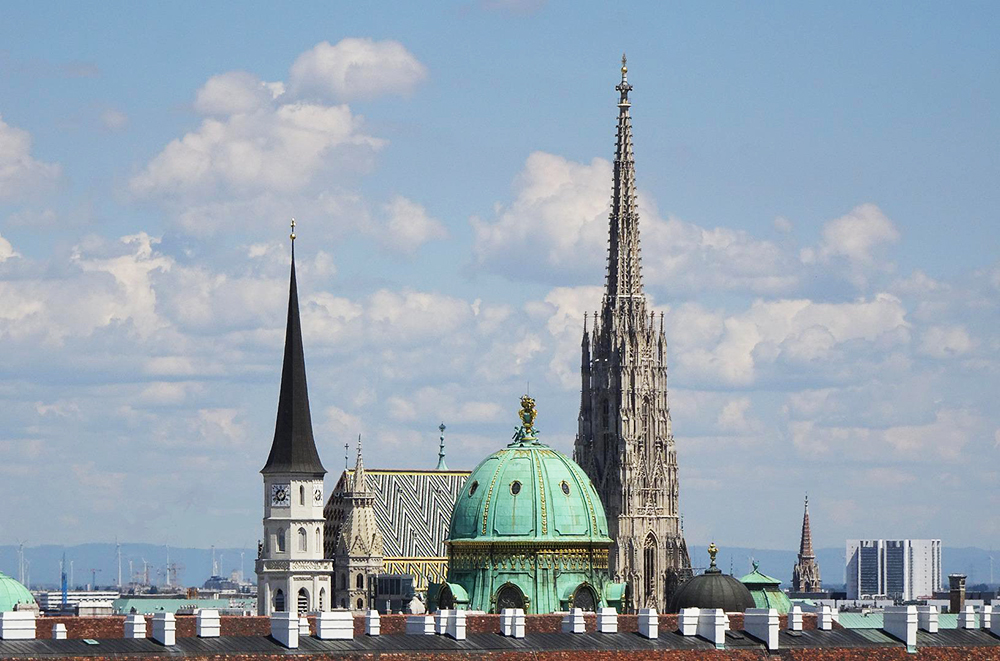
Kirchtürme prägen die Skyline vieler Städte - so auch Wien (Foto). Foto: Roland Kadan - pixabay

Kirchtürme prägen die Skyline vieler Städte - so auch Wien (Foto). Foto: Roland Kadan - pixabay

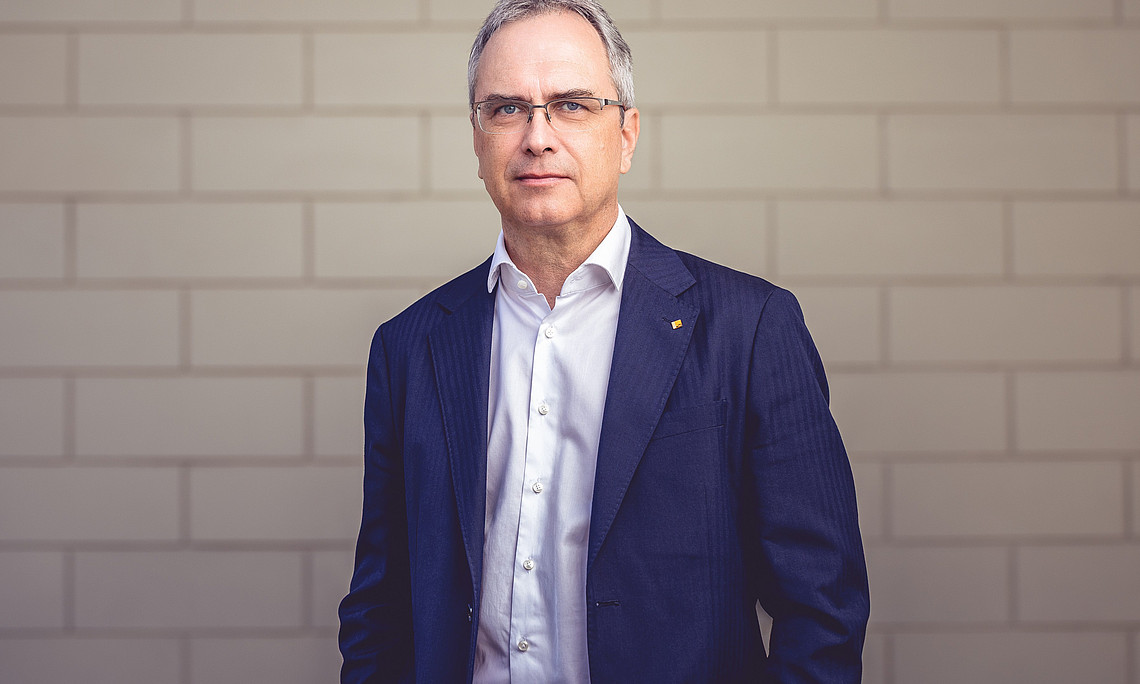
Mit dem Verhältnis zwischen Stadt und Religion beschäftigt sich Fundamentaltheologin Martina Bär

Ob Wien, Köln oder Prag – kirchliche Bauten prägen die Skyline großer Städte. Das religiöse Leben in Metropolen ist hingegen weniger präsent. Martina Bär, seit April 2022 Professorin für Fundamentaltheologie an der Universität Graz, will Beziehungsarbeit leisten, um Stadt und Religion näher zueinander zu bringen.

Die Großstadt ist Sinnbild für ein freies Leben. Einher geht oft die Abkehr von Religion. „Ihre Relevanz im Alltag verliert in der städtischen Gesellschaft an Bedeutung“, bestätigt Martina Bär. Wie aber gehen die Menschen mit ihrer Spiritualität um? Und wie kann die katholische Kirche darauf reagieren? Fragen, mit denen sich die Theologin auseinandersetzt. Eine Antwort lautet: „Auf Menschen zugehen, sie in ihrer Lebenswelt abholen.“ Dass dies funktionieren kann, hat die Wissenschafterin bei einem Forschungsaufenthalt in Mexico City erfahren. „Es gibt Priester, die auf der Straße Gottesdienste abhalten und die Beichte abnehmen.“

Letztes Abendmahl als Performance
Strategien gibt es auch in Europa: karitative Angebote stärken, Gesprächsabende organisieren. Weiters können Kunstaktionen, etwa wenn an einem Tisch vor dem Brandenburger Tor – in Analogie zum Letzten Abendmahl – zwölf Personen Platz nehmen, verbinden.
Bär spricht zudem von einer Eigenlogik einer Stadt: „Die BerlinerInnen haben – allgemein gesprochen – wenig Geld, geben aber gerne aus. Die Frankfurter wiederum verfügen im Großen und Ganzen über mehr Einkommen, sind aber sparsamer.“ Diese Aspekte könne man in der Pastoralarbeit berücksichtigen: „Zum Beispiel den Gott, der teilt oder der gerne gibt, in den Mittelpunkt stellen.“

Ein Haus der Religionen
Wie sich das Verhältnis zwischen Stadt und Religion gut gestalten lässt, hat Martina Bär am Haus der Religionen in Bern kennengelernt. Dort hat sie den interreligiösen Dialog wissenschaftlich begleitet: „Menschen verschiedener Konfessionen, darunter Hindus, BuddhistInnen, AlevitInnen und Angehörige anderer kleinerer Gemeinschaften, haben jeweils einen eigenen sakralen Raum, begegnen sich unter einem Dach und feiern auch gemeinsam.“ Diese Idee möchte die Theologin ebenfalls in Graz vorantreiben.

Weitere Beziehungsarbeit wird Martina Bär im kommenden Wintersemester leisten. „Kunst im Krieg“ lautet der Titel der öffentlichen Vortragsreihe, die sie gemeinsam mit dem Minoritenkloster in Graz vorbereitet. Der inhaltliche Bogen spannt sich von den Bauernkriegen vor 500 Jahren, die zum Beispiel auf Altarbildern dargestellt sind, bis hin zur künstlerischen Auseinandersetzung mit dem Ukraine-Krieg.
created by Andreas Schweiger

Related news

Complying with the norm: Why Do Standards Shape Our Lives, Elisabeth Staudegger?

Standards determine whether a sheet of paper fits in a printer or whether a charging plug can power multiple devices. These standards shape our everyday lives. But who actually sets these standards? Where are the weaknesses, and how could science help to improve them? Elisabeth Staudegger, Head of the ‘Law and IT’ Department at the Institute for Legal Foundations at the University of Graz, host the Academic Standards Day on 16 June. Here she relays how sciences can contribute to the topic of standardisation and reveals her personal favourite standard.

More body awareness than a culture war

In Italy, sex education lessons will in future only be permitted with parental consent, and will be banned entirely in nurseries and primary schools. At the same time, Pride Month highlights why knowledge about the body, relationships, boundaries and diversity is important for young people. A study by the University of Graz shows how important knowledge about the body, contraception, relationship skills and protection against violence is

Will Austria win the World Cup? Mathematician reveals calculation method

Michael Fischer uses the football tournament as a practical example for highschool lessons.

Survival strategies: How plants respond to drought

According to Geosphere Austria, this spring was the driest in Austria since records began around 170 years ago. The low rainfall put particular pressure on the agricultural sector. And climate change is set to make the situation even worse in the coming decades. We asked Johannes Liesche, a professor at the Department of Biology at the University of Graz, how plants react to water shortages and how they survive periods of drought.

Begin of page section:
Additional information:

University of Graz
Universitaetsplatz 3
8010 Graz
Austria
  • Contact
  • Web Editors
  • Moodle
  • UNIGRAZonline
  • Imprint
  • Data Protection Declaration
  • Accessibility Declaration
Weatherstation
Uni Graz

End of this page section. Go to overview of page sections

End of this page section. Go to overview of page sections

Begin of page section:

End of this page section. Go to overview of page sections