Begin of page section:
Page sections:

  • Go to contents (Accesskey 1)
  • Go to position marker (Accesskey 2)
  • Go to main navigation (Accesskey 3)
  • Go to sub navigation (Accesskey 4)
  • Go to additional information (Accesskey 5)
  • Go to page settings (user/language) (Accesskey 8)
  • Go to search (Accesskey 9)

End of this page section. Go to overview of page sections

Begin of page section:
Page settings:

English en
Deutsch de
Search
Login

End of this page section. Go to overview of page sections

Begin of page section:
Search:

Search for details about Uni Graz
Close

End of this page section. Go to overview of page sections


Search

Begin of page section:
Main navigation:

Page navigation:

  • University

    University
    • About the University
    • Organisation
    • Faculties
    • Library
    • Working at University of Graz
    • Campus
    Developing solutions for the world of tomorrow - that is our mission. Our students and our researchers take on the great challenges of society and carry the knowledge out.
  • Research Profile

    Research Profile
    • Our Expertise
    • Research Questions
    • Research Portal
    • Promoting Research
    • Research Transfer
    • Ethics in Research
    Scientific excellence and the courage to break new ground. Research at the University of Graz creates the foundations for making the future worth living.
  • Studies

    Studies
    • Prospective Students
    • Students
  • Community

    Community
    • International
    • Location
    • Research and Business
    • Alumni
    The University of Graz is a hub for international research and brings together scientists and business experts. Moreover, it fosters the exchange and cooperation in study and teaching.
  • Spotlight
Topics
  • Sustainable University
  • Researchers answer
  • Work for us
Close menu

End of this page section. Go to overview of page sections

Begin of page section:
You are here:

University of Graz News Ein Ort für alle

End of this page section. Go to overview of page sections

Thursday, 03 February 2022

Ein Ort für alle

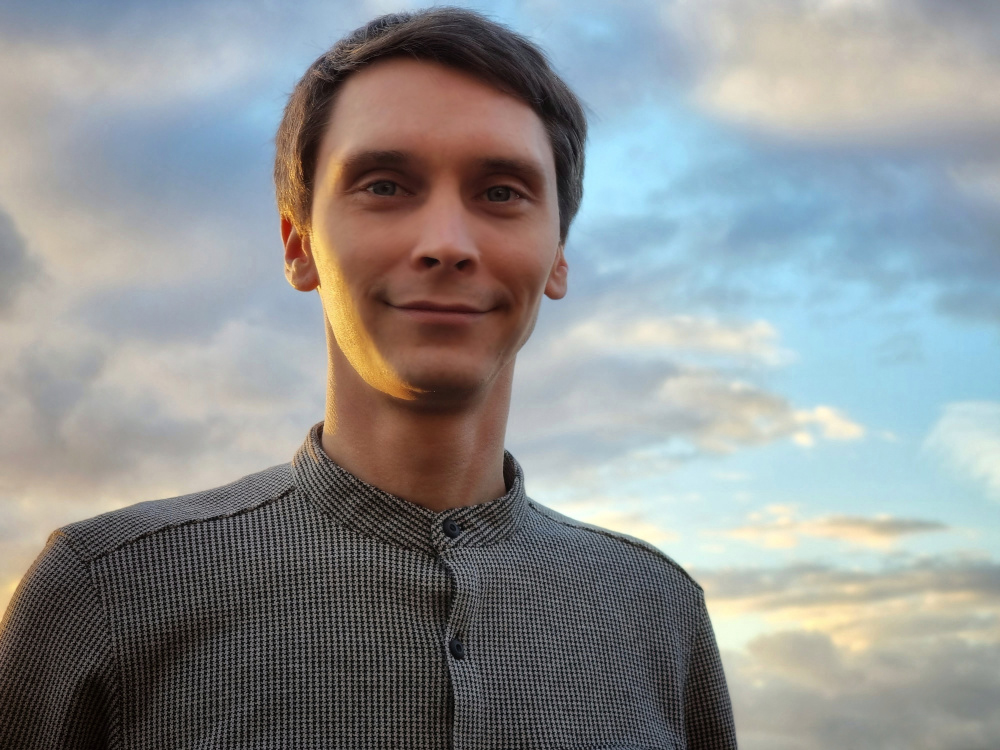
Timo Lüke ist ausgebildeter Sonderpädagoge und erforscht, wie die Schule Kinder mit besonderem Bedarf unterstützt. Foto: Lüke.

Timo Lüke ist ausgebildeter Sonderpädagoge und erforscht, wie die Schule Kinder mit besonderem Bedarf unterstützt. Foto: Lüke.

Timo Lüke erforscht, wie die Schule Kinder mit besonderem Bedarf unterstützt

Schauplatz Schule. Ein Kind ist immer wieder laut, verlässt den Sitzplatz, wird irgendwann körperlich aggressiv. So eine Situation ist für alle Beteiligten herausfordernd. Vor allem, wenn das Verhalten des Kindes durch eine Beeinträchtigung in seiner Entwicklung entsteht. „Eine frühzeitige Begleitung durch gut ausgebildete SonderpädagogInnen ist besonders wichtig. Er oder sie hat verschiedene Möglichkeiten, die Situation passend aufzulösen“, schildert Timo Lüke. Er erforscht als Professor für Inklusive Bildung und Unterrichtsentwicklung Methoden, die einzelne SchülerInnen mit besonderen Bedürfnissen im Schulalltag unterstützen.

Gerade Kinder und Jugendliche mit sonderpädagogischem Bedarf sind schwer, in Gruppen zusammenzufassen, erzählt Lüke. „Einerseits, weil sie sie sich unterschiedlich verhalten, andererseits weil es in einer Region oft nicht genug betroffene Personen gibt.“ Deshalb beschäftigt er sich mit einer Methode, die im deutschsprachigen Raum noch wenig angewandt wird: die kontrollierte Einzelfallforschung. „Dabei geht es darum, für einzelne Kinder herauszufinden, was genau ihnen dabei hilft, die wichtigsten Regeln des Schulalltags einzuhalten“, erklärt Lüke. Das könnte zum Beispiel eine regelmäßige, gemeinsame Wiederholung der wichtigsten Dos and Don’ts sein. Oder eine gezeichnete Darstellung auf dem Tisch des Kindes oder ein Smiley-Sticker, den es in gewissen zeitlichen Abständen erhält. Die ForscherInnen untersuchen über einen längeren Zeitraum, ob die Maßnahmen der SonderpädagogInnen oder andere Faktoren das Verhalten der Kinder beeinflussen. „Sollte das gezielte Eingreifen gewirkt haben, bedeutet das aber nicht, dass dieser Ansatz auch anderen Betroffenen hilft“, unterstreicht der Wissenschafter die Individualität des Ansatzes. 

Timo Lüke ist selbst ausgebildeter Sonderpädagoge. Er kam über Stationen an den Universitäten Potsdam, Wuppertal und zuletzt Dortmund nach Graz. Er untersucht, welche Kompetenzen und Einstellungen Lehrende für den Unterricht brauchen, an dem Kinder mit Lernschwierigen, geistigen Beeinträchtigungen und Sprachentwicklungsverzögerungen teilnehmen. Auch zur Diagnostik, also zum frühen Erkennen solcher Beeinträchtigungen, hat Timo Lüke geforscht.

created by Gerhild Leljak

Related news

Cosmetics in the environment: University of Graz proves danger to ants

Titanium dioxide, which is found in cosmetics, for example, is increasingly entering the environment in the form of nanoparticles. This could also put insects at risk. If ants ingest the substance in combination with the pesticide glyphosate, it disturbs the development of their offspring. Scientists at the University of Graz are drawing attention to the negative consequences of this toxic cocktail.

How are tech companies changing democracy? Uni Graz designs exhibition for schools

Filtered information, conspiracy theories, fake news – certain groups and corporations are using social media and algorithms to try to influence public opinion in their favour. Their goal: to weaken fundamental rights and diversity of opinion and seize power. In a new exhibition, researchers at the University of Graz are working with pupils to explore the impact of social media and AI on democracy. In accompanying workshops, the scientists want to encourage young people to develop their own ideas for a socially and ecologically viable future and to actively help shape it. The exhibition, designed as a travelling exhibition for schools, will open on 9 March 2026 at the Dreihackengasse Gymnasium in Graz.

Step by step: What motivates Mireille van Poppel as a scientist and vice-rector

Improving people's health and eliminating inequalities: Mireille van Poppel pursues these goals both as a public health researcher and as vice-rector for Internationalisation and Equality. In both roles, she pays particular attention to individual needs.

Master's degree in psychotherapy in Graz: registration opens in March

Graz is becoming a hotspot for psychotherapy: from 2026, the University of Graz and the Medical University of Graz will jointly offer the new master's programme. Registration for the admission procedure for the 140 study places will start in March.

Begin of page section:
Additional information:

University of Graz
Universitaetsplatz 3
8010 Graz
Austria
  • Contact
  • Web Editors
  • Moodle
  • UNIGRAZonline
  • Imprint
  • Data Protection Declaration
  • Accessibility Declaration
Weatherstation
Uni Graz

End of this page section. Go to overview of page sections

End of this page section. Go to overview of page sections

Begin of page section:

End of this page section. Go to overview of page sections