



Begin of page section:
Page sections:

  • Go to contents (Accesskey 1)
  • Go to position marker (Accesskey 2)
  • Go to main navigation (Accesskey 3)
  • Go to sub navigation (Accesskey 4)
  • Go to additional information (Accesskey 5)
  • Go to page settings (user/language) (Accesskey 8)
  • Go to search (Accesskey 9)

End of this page section. Go to overview of page sections

Begin of page section:
Page settings:

English en
Deutsch de
Search
Login

End of this page section. Go to overview of page sections

Begin of page section:
Search:

Search for details about Uni Graz
Close

End of this page section. Go to overview of page sections


Search

Begin of page section:
Main navigation:

Page navigation:

  • University

    University
    • About the University
    • Organisation
    • Faculties
    • Library
    • Working at University of Graz
    • Campus
    Developing solutions for the world of tomorrow - that is our mission. Our students and our researchers take on the great challenges of society and carry the knowledge out.
  • Research Profile

    Research Profile
    • Our Expertise
    • Research Questions
    • Research Portal
    • Promoting Research
    • Research Transfer
    • Ethics in Research
    • Commission for Scientific Integrity
    Scientific excellence and the courage to break new ground. Research at the University of Graz creates the foundations for making the future worth living.
  • Studies

    Studies
    • Prospective Students
    • Students
    • Registration for Study Programme (Winter semester 2026/27)
    • Study Days 22-26 June 2026
  • Community

    Community
    • International
    • Location
    • Research and Business
    • Alumni
    The University of Graz is a hub for international research and brings together scientists and business experts. Moreover, it fosters the exchange and cooperation in study and teaching.
Topics
  • Sustainable University
  • Researchers answer
  • Work for us
Close menu

End of this page section. Go to overview of page sections

Begin of page section:
You are here:

University of Graz News Ein Ort für alle

End of this page section. Go to overview of page sections

Thursday, 03 February 2022

Ein Ort für alle

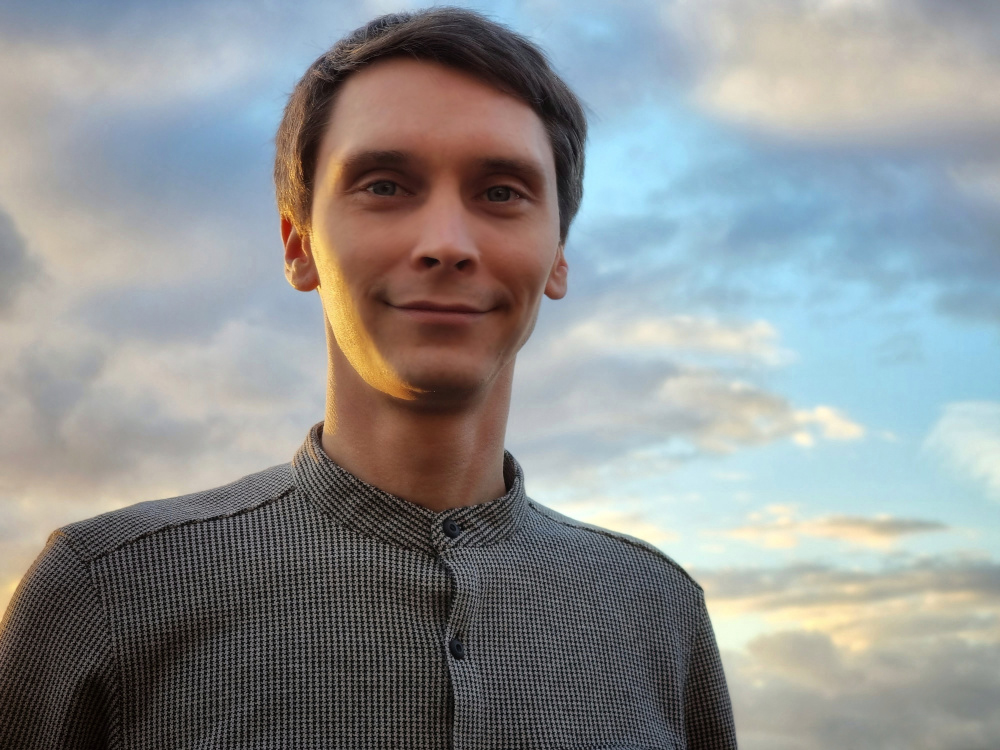
Timo Lüke ist ausgebildeter Sonderpädagoge und erforscht, wie die Schule Kinder mit besonderem Bedarf unterstützt. Foto: Lüke.

Timo Lüke ist ausgebildeter Sonderpädagoge und erforscht, wie die Schule Kinder mit besonderem Bedarf unterstützt. Foto: Lüke.

Timo Lüke erforscht, wie die Schule Kinder mit besonderem Bedarf unterstützt

Schauplatz Schule. Ein Kind ist immer wieder laut, verlässt den Sitzplatz, wird irgendwann körperlich aggressiv. So eine Situation ist für alle Beteiligten herausfordernd. Vor allem, wenn das Verhalten des Kindes durch eine Beeinträchtigung in seiner Entwicklung entsteht. „Eine frühzeitige Begleitung durch gut ausgebildete SonderpädagogInnen ist besonders wichtig. Er oder sie hat verschiedene Möglichkeiten, die Situation passend aufzulösen“, schildert Timo Lüke. Er erforscht als Professor für Inklusive Bildung und Unterrichtsentwicklung Methoden, die einzelne SchülerInnen mit besonderen Bedürfnissen im Schulalltag unterstützen.

Gerade Kinder und Jugendliche mit sonderpädagogischem Bedarf sind schwer, in Gruppen zusammenzufassen, erzählt Lüke. „Einerseits, weil sie sie sich unterschiedlich verhalten, andererseits weil es in einer Region oft nicht genug betroffene Personen gibt.“ Deshalb beschäftigt er sich mit einer Methode, die im deutschsprachigen Raum noch wenig angewandt wird: die kontrollierte Einzelfallforschung. „Dabei geht es darum, für einzelne Kinder herauszufinden, was genau ihnen dabei hilft, die wichtigsten Regeln des Schulalltags einzuhalten“, erklärt Lüke. Das könnte zum Beispiel eine regelmäßige, gemeinsame Wiederholung der wichtigsten Dos and Don’ts sein. Oder eine gezeichnete Darstellung auf dem Tisch des Kindes oder ein Smiley-Sticker, den es in gewissen zeitlichen Abständen erhält. Die ForscherInnen untersuchen über einen längeren Zeitraum, ob die Maßnahmen der SonderpädagogInnen oder andere Faktoren das Verhalten der Kinder beeinflussen. „Sollte das gezielte Eingreifen gewirkt haben, bedeutet das aber nicht, dass dieser Ansatz auch anderen Betroffenen hilft“, unterstreicht der Wissenschafter die Individualität des Ansatzes. 

Timo Lüke ist selbst ausgebildeter Sonderpädagoge. Er kam über Stationen an den Universitäten Potsdam, Wuppertal und zuletzt Dortmund nach Graz. Er untersucht, welche Kompetenzen und Einstellungen Lehrende für den Unterricht brauchen, an dem Kinder mit Lernschwierigen, geistigen Beeinträchtigungen und Sprachentwicklungsverzögerungen teilnehmen. Auch zur Diagnostik, also zum frühen Erkennen solcher Beeinträchtigungen, hat Timo Lüke geforscht.

created by Gerhild Leljak

Related news

Full effort in the heat: the Sports Centre was in full swing at the Kleeblattlauf

On 19 June 2026, 2,000 runners and hundreds of supporters made their way to the Rosenhain for a sporting end-of-term event.

Save, invest or guarantee: What Austrians expect from the state

Austria needs to make savings. But where? And what should the Republic actually be spending its money on? The answers are provided by the initial findings of a major study involving the University of Graz. 99 per cent of those surveyed are in favour of the state ensuring healthcare provision. Almost three-quarters would like to see more public funding for education, whilst only around three per cent are in favour of cuts in this sector.

Science meets blockbuster: Campus cinema at the University of Graz

A cinematic treat for the scientific community: the courtyard of the University of Graz’s main building is once again being transformed into an atmospheric open-air cinema this year. From 29 June to 10 July 2026 (Mondays to Fridays from 8.30 pm), blockbusters and documentaries will be shown on the open-air screen. Academics from the University of Graz will be taking a closer look at the films shown, examining them to distinguish fact from fiction.

Complying with the norm: Why Do Standards Shape Our Lives, Elisabeth Staudegger?

Standards determine whether a sheet of paper fits in a printer or whether a charging plug can power multiple devices. These standards shape our everyday lives. But who actually sets these standards? Where are the weaknesses, and how could science help to improve them? Elisabeth Staudegger, Head of the ‘Law and IT’ Department at the Institute for Legal Foundations at the University of Graz, host the Academic Standards Day on 16 June. Here she relays how sciences can contribute to the topic of standardisation and reveals her personal favourite standard.

Begin of page section:
Additional information:

University of Graz
Universitaetsplatz 3
8010 Graz
Austria
  • Contact
  • Web Editors
  • Moodle
  • UNIGRAZonline
  • Imprint
  • Data Protection Declaration
  • Accessibility Declaration
Weatherstation
Uni Graz

End of this page section. Go to overview of page sections

End of this page section. Go to overview of page sections

Begin of page section:

End of this page section. Go to overview of page sections

