




Begin of page section:
Page sections:

  • Go to contents (Accesskey 1)
  • Go to position marker (Accesskey 2)
  • Go to main navigation (Accesskey 3)
  • Go to sub navigation (Accesskey 4)
  • Go to additional information (Accesskey 5)
  • Go to page settings (user/language) (Accesskey 8)
  • Go to search (Accesskey 9)

End of this page section. Go to overview of page sections

Begin of page section:
Page settings:

English en
Deutsch de
Search
Login

End of this page section. Go to overview of page sections

Begin of page section:
Search:

Search for details about Uni Graz
Close

End of this page section. Go to overview of page sections


Search

Begin of page section:
Main navigation:

Page navigation:

  • University

    University
    • About the University
    • Organisation
    • Faculties
    • Library
    • Working at University of Graz
    • Campus
    Developing solutions for the world of tomorrow - that is our mission. Our students and our researchers take on the great challenges of society and carry the knowledge out.
  • Research Profile

    Research Profile
    • Our Expertise
    • Research Questions
    • Research Portal
    • Promoting Research
    • Research Transfer
    • Ethics in Research
    • Commission for Scientific Integrity
    Scientific excellence and the courage to break new ground. Research at the University of Graz creates the foundations for making the future worth living.
  • Studies

    Studies
    • Prospective Students
    • Students
  • Community

    Community
    • International
    • Location
    • Research and Business
    • Alumni
    The University of Graz is a hub for international research and brings together scientists and business experts. Moreover, it fosters the exchange and cooperation in study and teaching.
  • Spotlight
Topics
  • Sustainable University
  • Researchers answer
  • Work for us
Close menu

End of this page section. Go to overview of page sections

Begin of page section:
You are here:

University of Graz News Digitale Heldengeschichten

End of this page section. Go to overview of page sections

Friday, 31 March 2017

Digitale Heldengeschichten

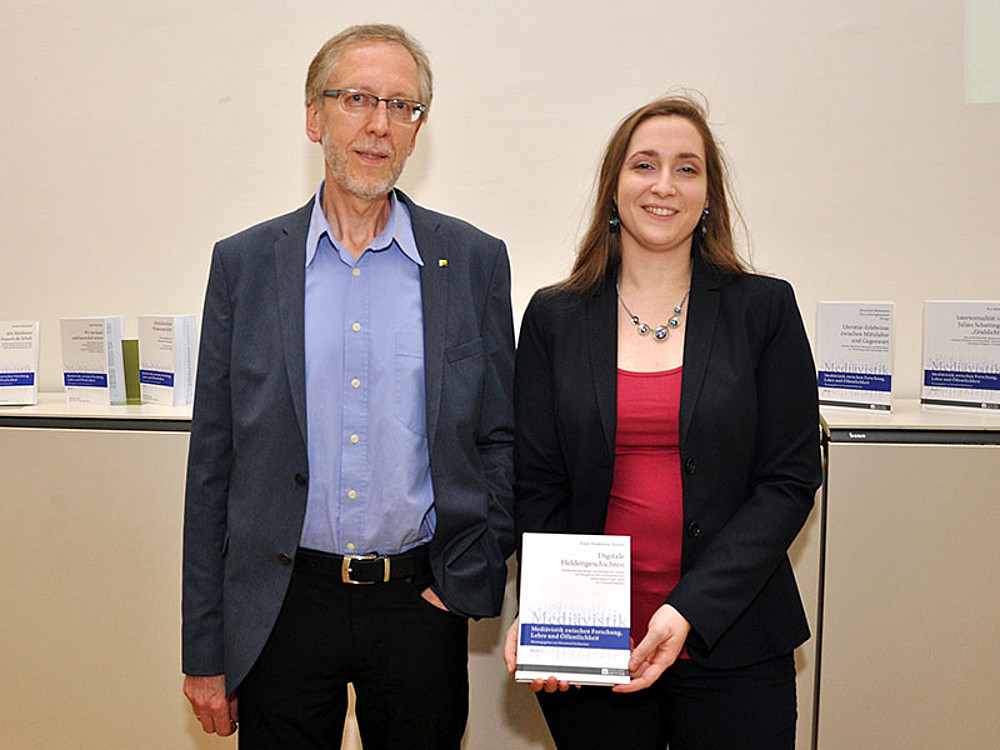
Aline Holzer, Autorin des neu erschienenen Buchs "Digitale Heldengeschichten", und Wernfried Hofmeister, Herausgeber der Reihe "Mediävistik zwischen Forschung, Lehre und Öffentlichkeit". Fotos: Uni Graz/Pichler

Aline Holzer, Autorin des neu erschienenen Buchs "Digitale Heldengeschichten", und Wernfried Hofmeister, Herausgeber der Reihe "Mediävistik zwischen Forschung, Lehre und Öffentlichkeit". Fotos: Uni Graz/Pichler

Am Buffet gab es, passend zur präsentierten Publikation, Bitcoins, "geprägt" von Andrea Hofmeister.

Am Buffet gab es, passend zur präsentierten Publikation, Bitcoins, "geprägt" von Andrea Hofmeister.

Germanistin spürt Elemente mittelalterlicher Erzählungen in Computerspielen auf

Computerspiele wie „Dragon Age: Inquisition“, „Guild Wars 2“ oder „Star Wars: The Old Republic“ üben eine besondere Faszination aus. „Sie vermitteln den SpielerInnen das Gefühl, AkteurInnen einer heroischen, archaischen, bedeutungsvollen Geschichte zu sein“, erklärt Aline Holzer, MA, selbst begeisterte „Gamerin“. Die Germanistin weiß auch warum: „Es sind Anleihen aus mittelalterlichen Erzählungen, die den SpielerInnen zwar meist nicht bewusst sind, ihre Wirkung aber – vielleicht gerade deshalb – nicht verfehlen.“ Wie Elemente und Strukturen dieser Epen eingesetzt werden, hat Holzer im Rahmen ihrer Masterarbeit, betreut von Ao.Univ.-Prof. Dr. Wernfried Hofmeister, untersucht. Das daraus entstandene Buch „Digitale Heldengeschichten“ präsentierte die Autorin am 30. März 2017 an der Uni Graz. Die Publikation ist im Verlag Peter Lang erschienen, als Band 12 der von Hofmeister herausgegebenen Reihe „Mediävistik zwischen Forschung, Lehre und Öffentlichkeit“, die heuer ihr zehnjähriges Bestehen feiert.

Die bislang großteils unentdeckten Parallelen, die Holzer ans Licht bringt, sind vielfältig. Sie umfassen unter anderem Namen und Begriffe – wie zum Beispiel „Hagen“, entlehnt von der Figur aus dem Nibelungenlied, oder „Buhurt“, die Bezeichnung für eine mittelalterliche Turnierform. Ebenso finden sich Motive, Stoffe und Szenarien wieder – etwa der Sohn, der nicht weiß, dass er im Zweikampf seinem Vater gegenübersteht, wie im Hildebrandslied. „Dabei werden diese Elemente nicht einfach übernommen, sondern an die heutige Lebenswirklichkeit angepasst und verfremdet“, berichtet Holzer.

Die Autorin zeigt, wie sie eingebunden werden und ihre Wirkung erzielen und welche Rolle dabei der Rezeption deutschsprachiger Epik des Mittelalters zukommt. Darüber hinaus deckt sie auf, wie sich narrative Strategien der mittelalterlichen Epik – etwa in Form von Quests oder Handlungsvorausdeutungen – in der Erzählwelt moderner PC-Heldenepen widerspiegeln. Auf Basis theoretischer Überlegungen zur Narrativik von PC-Spielen bietet das Buch erstmals einen Gesamtüberblick und exemplarische Einzelanalysen.

Aline Madeleine Holzer
Digitale Heldengeschichten. Medienübergreifende narratologische Studie zur Rezeption der mittelalterlichen deutschsprachigen Epik in Computerspielen
In: Mediävistik zwischen Forschung, Lehre und Öffentlichkeit, Hg. Wernfried Hofmeister, Band 12
Peter Lang 2017
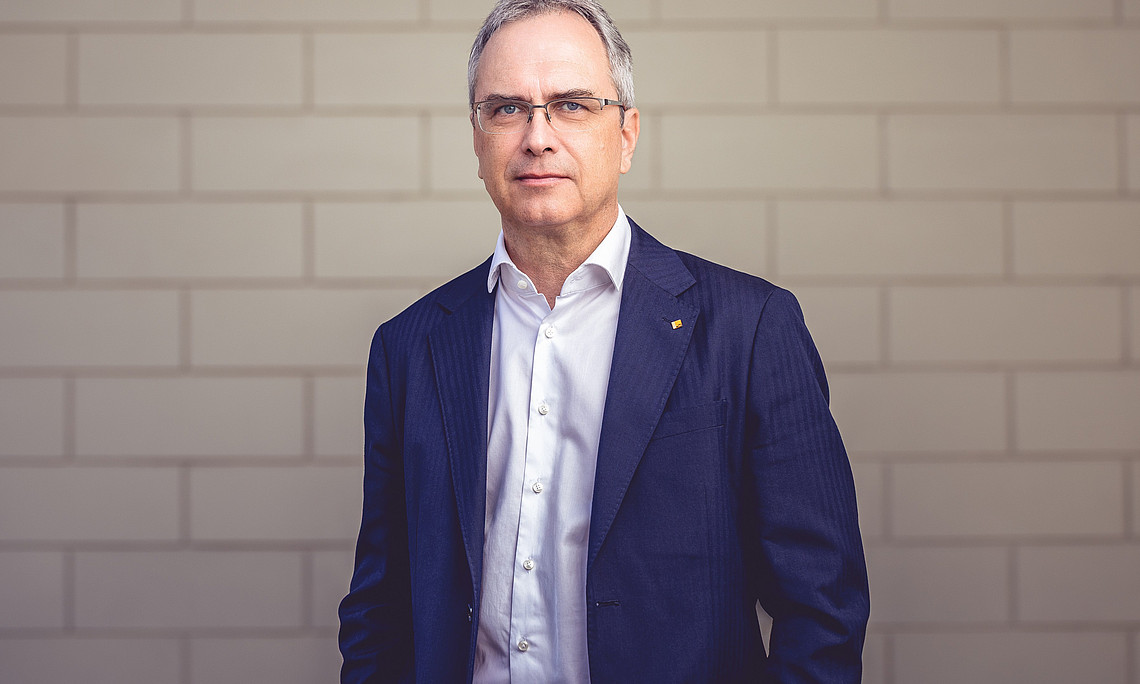

created by Gudrun Pichler

Related news

Higher Education Strategy 2040: Austria’s universities on course for the future

Austria has 77 higher education institutions, which is above the EU average – but does this really make sense? The new Higher Education Strategy 2040 focuses on cooperation rather than mergers. As one of the six largest universities in Austria, the University of Graz plays a central role in this.

Climate research in Greenland: Old data provides new insights

The polar explorer and University of Graz professor Alfred Wegener left behind a unique collection of climate data from Greenland. A research team from the University of Graz is now analysing this 100-year-old treasure trove of data and comparing it with current measurements.

Diversity in nature and science: How we talk about plants and each other

Ginkgo, kiwi, hemp: they exist as male and female plants. Anyone who paid attention in biology class will confirm this. But is this categorisation, established by Carl von Linné almost 300 years ago, still valid today? An interdisciplinary team at the University of Graz is questioning these attributions and using this as a starting point to provide food for thought for gender-sensitive interaction between students, scientific and teaching staff.

Around the world in eight stops: the Long Night of Research at the University of Graz

On 24 April from 5 pm, you can take a short trip around the globe at the University of Graz, discovering pecularities of foreign countries or new local features in the entrance hall of the University Library. The itinerary takes you through introduced animal species, political attitudes and the omnipotence of algorithms. There will also be a programme in the historic reading hall, as well as at the UniGraz@Museum and the University Archive.

Begin of page section:
Additional information:

University of Graz
Universitaetsplatz 3
8010 Graz
Austria
  • Contact
  • Web Editors
  • Moodle
  • UNIGRAZonline
  • Imprint
  • Data Protection Declaration
  • Accessibility Declaration
Weatherstation
Uni Graz

End of this page section. Go to overview of page sections

End of this page section. Go to overview of page sections

Begin of page section:

End of this page section. Go to overview of page sections

