



Begin of page section:
Page sections:

  • Go to contents (Accesskey 1)
  • Go to position marker (Accesskey 2)
  • Go to main navigation (Accesskey 3)
  • Go to sub navigation (Accesskey 4)
  • Go to additional information (Accesskey 5)
  • Go to page settings (user/language) (Accesskey 8)
  • Go to search (Accesskey 9)

End of this page section. Go to overview of page sections

Begin of page section:
Page settings:

English en
Deutsch de
Search
Login

End of this page section. Go to overview of page sections

Begin of page section:
Search:

Search for details about Uni Graz
Close

End of this page section. Go to overview of page sections


Search

Begin of page section:
Main navigation:

Page navigation:

  • University

    University
    • About the University
    • Organisation
    • Faculties
    • Library
    • Working at University of Graz
    • Campus
    Developing solutions for the world of tomorrow - that is our mission. Our students and our researchers take on the great challenges of society and carry the knowledge out.
  • Research Profile

    Research Profile
    • Our Expertise
    • Research Questions
    • Research Portal
    • Promoting Research
    • Research Transfer
    • Ethics in Research
    • Commission for Scientific Integrity
    Scientific excellence and the courage to break new ground. Research at the University of Graz creates the foundations for making the future worth living.
  • Studies

    Studies
    • Prospective Students
    • Students
    • Welcome Weeks for First Year Students
  • Community

    Community
    • International
    • Location
    • Research and Business
    • Alumni
    The University of Graz is a hub for international research and brings together scientists and business experts. Moreover, it fosters the exchange and cooperation in study and teaching.
Topics
  • Sustainable University
  • Researchers answer
  • Work for us
Close menu

End of this page section. Go to overview of page sections

Begin of page section:
You are here:

University of Graz News Beziehungen zwischen Hass und Scham

End of this page section. Go to overview of page sections

Monday, 15 May 2023

Beziehungen zwischen Hass und Scham

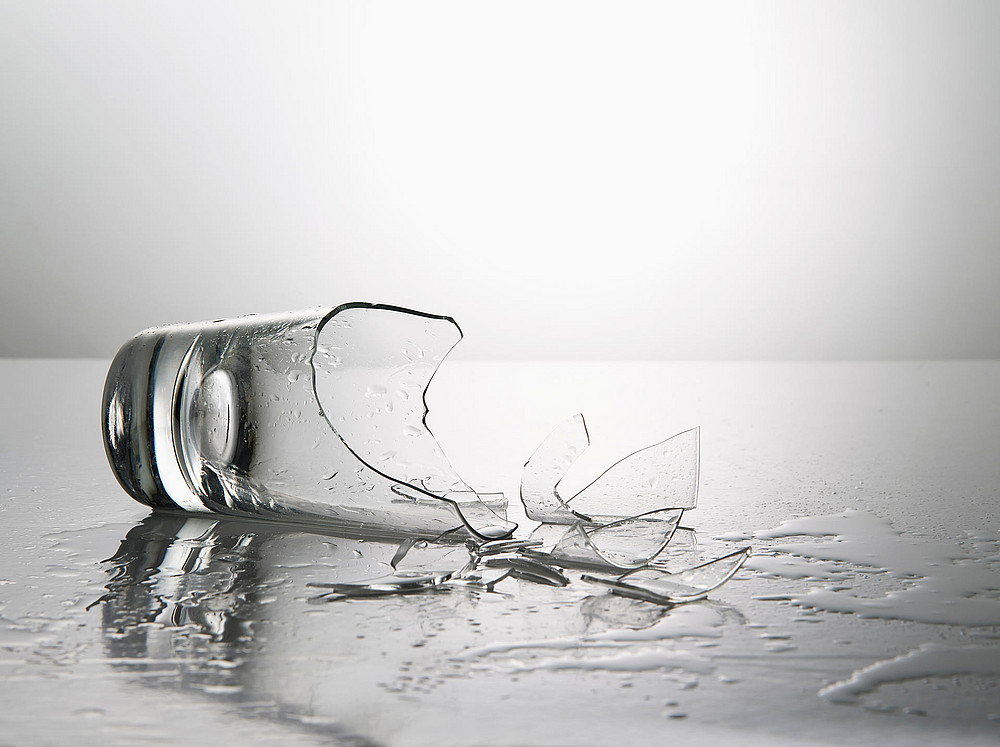
zerbrochenes Glas

Jede dritte Frau in Österreich ist laut Statistik Austria von körperlicher und/oder sexueller Gewalt betroffen. Im Extremfall endet eine kranke Beziehung in einem Femizid, der Tötung einer Frau oder eines Mädchens aufgrund ihres Geschlechts. In Österreich waren es 2023 laut Medienberichten bereits elf. Was läuft da falsch? Diese Frage beschäftigt auch die Philosophen Daniel Pachner und Reinhold Esterbauer von der Universität Graz. Am 16. Mai sprechen sie darüber mit Michaela Gosch von „Frauenhäuser Steiermark“ und der Polizistin Sabine Felder-Zeiringer im Rahmen des diesjährigen „Philosophicum“, einer Veranstaltung des Instituts für Philosophie an der Katholisch-Theologischen Fakultät der Uni Graz in Kooperation mit der Katholischen Hochschulgemeinde Graz.

Gewalt an Frauen kommt in den meisten Fällen in Paarbeziehungen oder im familiären Umfeld vor. Warum fügen Männer ihren Partnerinnen so häufig Leid zu und warum erdulden ihre Opfer das? Was passiert da emotional zwischen den beiden Personen? „Solche Männer sind oft geprägt von traditionellen gesellschaftlichen Normen und Rollenbildern der Geschlechter. Wenn diese dann in einer Beziehung gelebt werden, kommt es zu einer Übersetzung auf eine emotionale Ebene – oder auch auf eine leibliche, etwa dass die Frau dem Mann sexuell immer verfügbar zu sein hat“, erklärt Daniel Pachner, Wissenschaftler am Institut für Philosophie an der Katholisch-Theologischen Fakultät der Uni Graz.

Können Partner:innen Konflikte nicht lösen, kann aus Liebe Hass werden. „Wer hasst, will, dass der oder die andere leidet, physisch und/oder psychisch, und sich minderwertig fühlt, zum Objekt degradiert wird“, sagt Pachner. Sorgen, Ängste und Schwächen der gehassten Person werden ausgenutzt. Wenn Gewalt, Drohungen und Demütigungen zum Alltag gehören, führt das meist dazu, dass sie für die betroffenen Frauen normal werden. „Die Reduktion auf ein Objekt mit negativen Eigenschaften, die der Täter ihnen zuschreibt, führt sehr häufig dazu, dass Opfer dessen Perspektive übernehmen und ein entsprechendes Selbstverständnis entwickeln. Sie fühlen sich schlecht, ausgesetzt, wehrlos. Und das ist verbunden mit Scham. In solchen Beziehungen wird die Frau zu etwas gemacht, wofür man sich zu schämen hat . Negative Frauenbilder finden hier eine Realisierung auf eine mit Gewalt verbundene Weise“, so Pachner. Darüber hinaus schäme man sich dafür, dass andere die Misshandlungen oder deren Spuren wahrnehmen.

Prävention ist möglich
„Gewalt gegen Frauen hat eine individuelle und eine Beziehungsdimension sowie eine öffentlich-soziale. Prävention muss auf allen Ebenen ansetzen“, ist Reinhold Esterbauer, Professor am Institut für Philosophie an der Katholisch-Theologischen Fakultät der Uni Graz, überzeugt. Ein Patentrezept gebe es nicht, aber mehrere Möglichkeiten vorzubeugen. „Das beginnt beim Aufmerksam-Sein für Veränderungen in der Beziehung, etwa wenn ich als Frau plötzlich in bestimmten Situationen Angst verspüre oder mein Partner mehr Gewaltbereitschaft zeigt“, nennt Esterbauer Beispiele. Man sollte sich trauen, Beratung oder psychologische Unterstützung in Anspruch zu nehmen, und sich über das Thema informieren.

Entscheidend sei, eine gefährliche Dynamik früh genug zu durchbrechen und rechtzeitig auszusteigen, betont Esterbauer: „Wenn wir einer Person begegnen, haben wir Verantwortung für diese andere Person, im Sinne von Achtung und Respekt. Um jemandem Gewalt anzutun, müssen wir diese Verantwortung überspringen. Das kostet viel Energie. Aber wenn man es einmal gemacht hat, entfaltet sich Gewalt nahezu ohne Grenzen.“

>> Philosophicum "Tödliche Macht" zum Thema Femizide und Gewalt gegen Frauen am 16. Mai 2023

created by Gudrun Pichler

Related news

Legal scholar Clarissa Groß on European values at the EU’s external borders

The tense situation in the Spanish exclave of Ceuta has been making headlines for weeks. The exodus of thousands of Moroccans has once again placed migration and border policy at the very top of the EU’s agenda. Clarissa Groß, a research assistant at the Institute for European Law, is examining the reform of the Common European Asylum System (CEAS), the design and practical implementation of the new border procedures, and their compatibility with the right to personal liberty as part of her doctoral thesis. She recently visited the Greek island of Lesbos, which remains a migration hotspot, to assess the situation on the ground.

Graz is a magnet for 750 physicists: international conference on campus

Whether in mobile phones, medical devices or solar power systems: physical phenomena are part of our everyday lives. The vast scope of this discipline will be explored at a major conference taking place at the University of Graz from 20 to 25 September 2026. More than 750 scientists will transform the campus into a European hub for physics.

A fresh start, a calling, holidays: what draws people from other career paths to teaching

They used to develop software; now they teach maths in the classroom. Career changers are expected to help address the shortage of qualified teachers in Austria’s schools. In their doctoral theses at the Institute for Educational Research and Teacher Training at the University of Graz, Melanie Gürentz and Claudia Mair examined how these new teachers perceive their new professional roles.

Talent Talks bridge the gap in career guidance

The Styrian Chamber of Commerce (WKO Steiermark), the Styrian Chamber of Labour (AK Steiermark) and the AMS are joining forces when it comes to training young people and, through the “Talent Talks”, are creating a seamless pathway to career guidance. This takes preparation and follow-up support – just in time for the start of the term and the scheme’s tenth anniversary – to a whole new level. A new survey conducted by the Talent Centre among 2,687 former participants to mark the anniversary shows just how important this development is. Of the young people who received follow-up support from the Talent Report, 74.6 per cent stated that they had a good understanding of their own strengths and talents following the Talent Check. Without follow-up support, the figure was 66.5 per cent – a significant difference of 8.1 percentage points.

Begin of page section:
Additional information:

University of Graz
Universitaetsplatz 3
8010 Graz
Austria
  • Contact
  • Web Editors
  • Moodle
  • UNIGRAZonline
  • Imprint
  • Data Protection Declaration
  • Accessibility Declaration
Weatherstation
Uni Graz

End of this page section. Go to overview of page sections

End of this page section. Go to overview of page sections

Begin of page section:

End of this page section. Go to overview of page sections