



Begin of page section:
Page sections:

  • Go to contents (Accesskey 1)
  • Go to position marker (Accesskey 2)
  • Go to main navigation (Accesskey 3)
  • Go to sub navigation (Accesskey 4)
  • Go to additional information (Accesskey 5)
  • Go to page settings (user/language) (Accesskey 8)
  • Go to search (Accesskey 9)

End of this page section. Go to overview of page sections

Begin of page section:
Page settings:

English en
Deutsch de
Search
Login

End of this page section. Go to overview of page sections

Begin of page section:
Search:

Search for details about Uni Graz
Close

End of this page section. Go to overview of page sections


Search

Begin of page section:
Main navigation:

Page navigation:

  • University

    University
    • About the University
    • Organisation
    • Faculties
    • Library
    • Working at University of Graz
    • Campus
    Developing solutions for the world of tomorrow - that is our mission. Our students and our researchers take on the great challenges of society and carry the knowledge out.
  • Research Profile

    Research Profile
    • Our Expertise
    • Research Questions
    • Research Portal
    • Promoting Research
    • Research Transfer
    • Ethics in Research
    • Commission for Scientific Integrity
    Scientific excellence and the courage to break new ground. Research at the University of Graz creates the foundations for making the future worth living.
  • Studies

    Studies
    • Prospective Students
    • Students
    • Registration for Study Programme (Winter semester 2026/27)
    • Study Days 22-26 June 2026
  • Community

    Community
    • International
    • Location
    • Research and Business
    • Alumni
    The University of Graz is a hub for international research and brings together scientists and business experts. Moreover, it fosters the exchange and cooperation in study and teaching.
Topics
  • Sustainable University
  • Researchers answer
  • Work for us
Close menu

End of this page section. Go to overview of page sections

Begin of page section:
You are here:

University of Graz News Wirbel im Kaffee

End of this page section. Go to overview of page sections

Tuesday, 06 July 2021

Wirbel im Kaffee

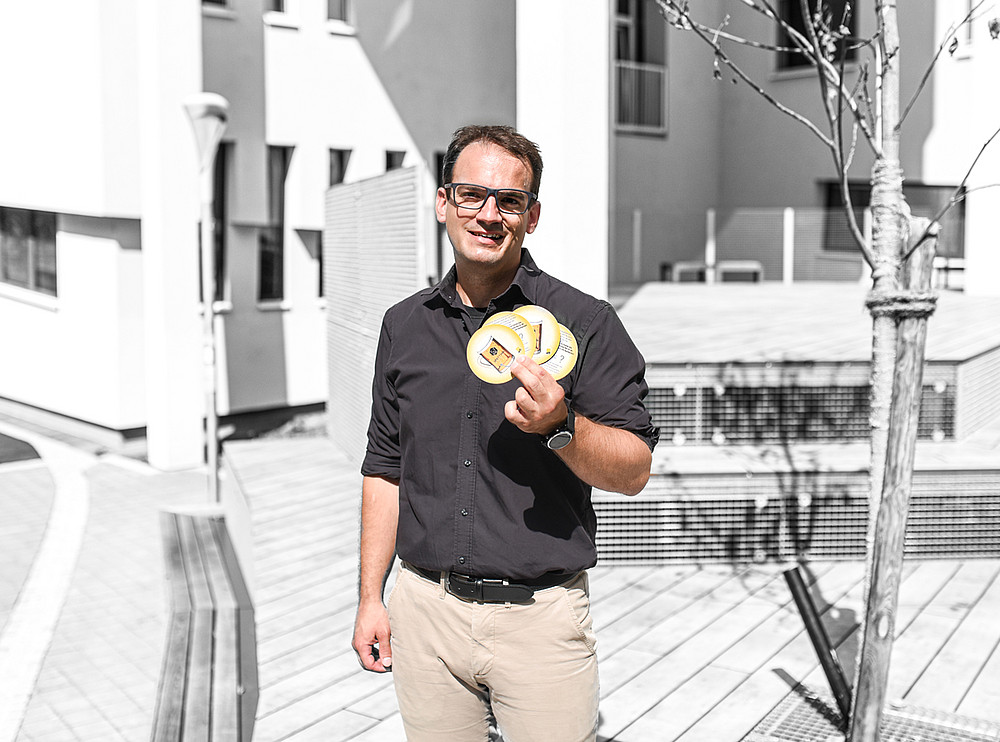
Philipp Spitzer macht Wissenschaft angreifbar. Foto: Uni Graz/Tzivanopoulos

Philipp Spitzer macht Wissenschaft angreifbar. Foto: Uni Graz/Tzivanopoulos

Was bewegt einen Latte Macchiato? Wann brennen Brennnesseln? SpottingScience macht Wissenschaft erlebbar - mit Video

Die Wenigsten wissen, dass bei einem Latte Macchiato hydrodynamische Strömungen mitmischen. „Sie sorgen dafür, dass sich nach einigen Minuten die drei Schichten aus Milch, Espresso und Milchschaum selbstständig vermengen und zu einer Flüssigkeit werden“, erklärt Philipp Spitzer den Vorgang. Der Chemiker und Physiker arbeitet an der Universität Graz gemeinsam mit Studierenden an der Sichtbarmachung und einfachen Erklärung naturwissenschaftlicher Phänomene für LaiInnen. In den Lehrveranstaltungen für Chemiedidaktik werden die Inhalte in Form von Videos und Grafiken generiert und auf der Webseite des Projekts „SpottingScience“ publik gemacht. Ziel ist es, im öffentlichen Raum und im Grazer Stadtgebiet Wissens-Stationen zu verankern, über die Interessierte Forschungs-Inhalte leicht verständlich mit dem Smartphone abrufen können. So wurde zum Beispiel an der Covid-19-Teststation der Opernapotheke am Grazer Tummelplatz eine Grafik-Strecke errichtet. Dort wird erklärt, wie Antigen-Schnelltests eigentlich funktionieren.
 

Wie viel Physik steckt im Latte Macchiato?


Angefangen hat alles am Rothaarsteig, einem Wandergebiet in Deutschland zwischen Frankfurt und Köln. Dort hat Spitzer, der damals noch an der Universität Siegen unterrichtet hat, in Kooperation mit der Forstverwaltung einen Lehrpfad mit Geocaching im Wald integriert. WanderInnen können auf diesem Wege wertvolle Informationen über chemische Prozesse erfahren. „Warum brennt eine Brennnessel nicht, wenn man langsam mit der Hand die Blätter anfasst, war zum Beispiel ein Thema, das wir behandelt haben“, erklärt der Chemiker. Über Wien ist Spitzer dann nach Graz gekommen, und er hat die SpottingScience-Initiative mitgebracht. Aktuell ist er im Gespräch mit der Tourismusregion Dachstein. So soll um die Bergstation der Dachstein-Seilbahn in 2700 Meter Seehöhe mehrere ScienceSpots zu naturwissenschaftlichen Phänomenen am Gletscher und Berg entstehen.

Bierdeckel to go
Und für BierliebhaberInnen haben angehende ChemielehrerInnen in den Lehrveranstaltungen Bierdeckeln entworfen. Darauf wird zum Beispiel erklärt, weshalb sich im Bier Bläschensäulen bilden. Wissenschaftskommunikation ist das eine, was SpottingScience vorhat. Spitzer möchte aber mit diesen Projekten vor allem seine Studierenden darin motivieren, Wissen prägnant mittels digitaler Technologien für den Schulunterricht aufzubereiten.

Und wie ist es nun bei der „milden“ Brennnessel. „Ganz einfach“, erklärt der Chemiker. „Beim langsamen Streichen bricht die Spitze der Brennhaare ab und sticht in die Haut. Die Folge ist, dass Ameisensäure und Neurotransmitter in die Haut gelangen und es brennt. Beim schnellen Anfassen, zerstört man das ganze Brennhaar, die Spitze sticht nicht und die chemischen Substanzen gelangen nur auf die äußere Hautschicht. Davon merkt man dann aber nichts, da die Haut auch eine gute Schutzschicht ist.“


Mehr Informationen auf der Webseite
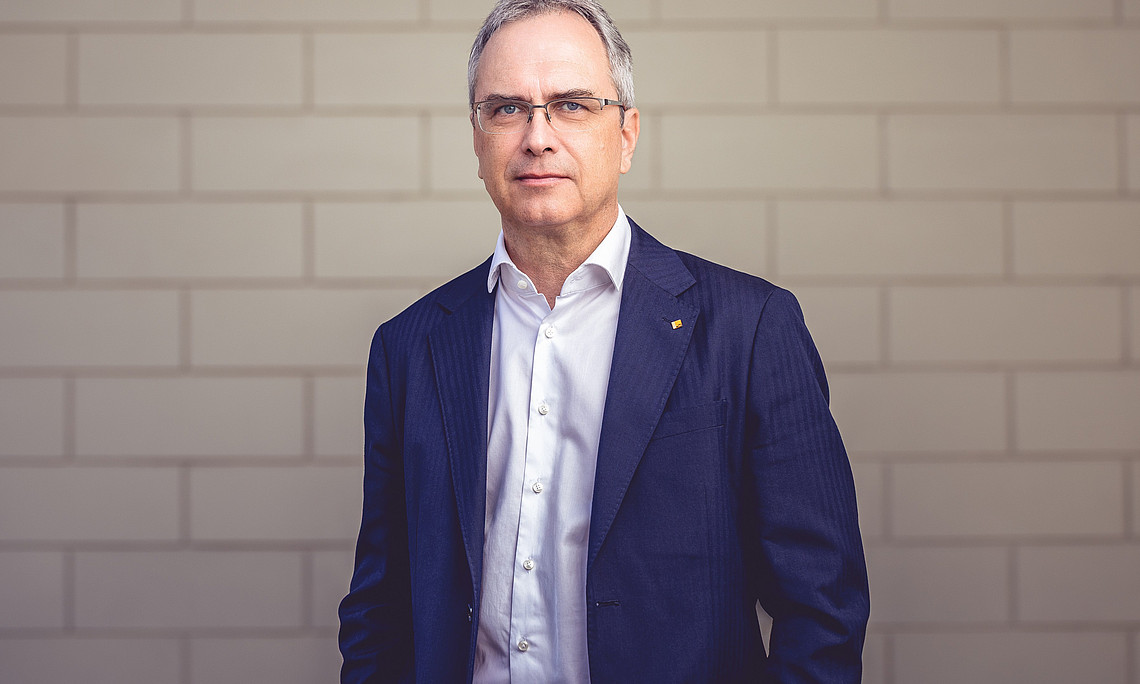
created by Konstantin Tzivanopoulos & Andreas Schweiger

Related news

Getting even hotter: Researchers predict global warming of 1.7 degrees by 2027

While Europe is currently sweltering in the heat, global temperatures are also rising towards concerning record levels. In 2026, Earth’s surface air temperature is expected to reach 1.62 degrees, and in 2027 even 1.71 degrees Celsius above pre-industrial levels. The long-term temperature rise – an average over a 20-year period – is predicted to exceed the 1.5-degree threshold of the Paris Agreement as of 2026 already. For the first time, researchers at the University of Graz have been able to make such a forecast so far in advance. The intensifying El Niño climate event favors forecast skill and thereby facilitates a reliable computation.

Forest fire at Rosenhain: Volunteer fire brigade carried out an evacuation drill at the Jesuit refectory

Thick smoke in the stairwell, flames at the edge of the forest, people missing in the Jesuit refectory at the University of Graz: at Rosenhain, the Graz Volunteer Fire Brigade carried out a drill simulating a scenario that is becoming increasingly realistic given the heat and drought

Full effort in the heat: the Sports Centre was in full swing at the Kleeblattlauf

On 19 June 2026, 2,000 runners and hundreds of supporters made their way to the Rosenhain for a sporting end-of-term event.

Save, invest or guarantee: What Austrians expect from the state

Austria needs to make savings. But where? And what should the Republic actually be spending its money on? The answers are provided by the initial findings of a major study involving the University of Graz. 99 per cent of those surveyed are in favour of the state ensuring healthcare provision. Almost three-quarters would like to see more public funding for education, whilst only around three per cent are in favour of cuts in this sector.

Begin of page section:
Additional information:

University of Graz
Universitaetsplatz 3
8010 Graz
Austria
  • Contact
  • Web Editors
  • Moodle
  • UNIGRAZonline
  • Imprint
  • Data Protection Declaration
  • Accessibility Declaration
Weatherstation
Uni Graz

End of this page section. Go to overview of page sections

End of this page section. Go to overview of page sections

Begin of page section:

End of this page section. Go to overview of page sections


