The early years of a child’s life play a key role in determining how well they will cope at school and in life later on. Attending a crèche and a kindergarden is therefore a matter of course for most families. Young children benefit enormously from interacting with peers from different family backgrounds. The support provided by well-trained early years practitioners is also particularly important. And the University of Graz has been a leader in research and training in the field of early years education for decades.
With the support of the Friedrich Flick Foundation, scientific findings are now to be integrated more closely into the work carried out in nurseries and pre-schools. The Chair of ‘Practice, Research and Transfer in Early Years Education’ aims to link scientific research with early years educational practice. It will be funded for four years.
Research for everyday life with children
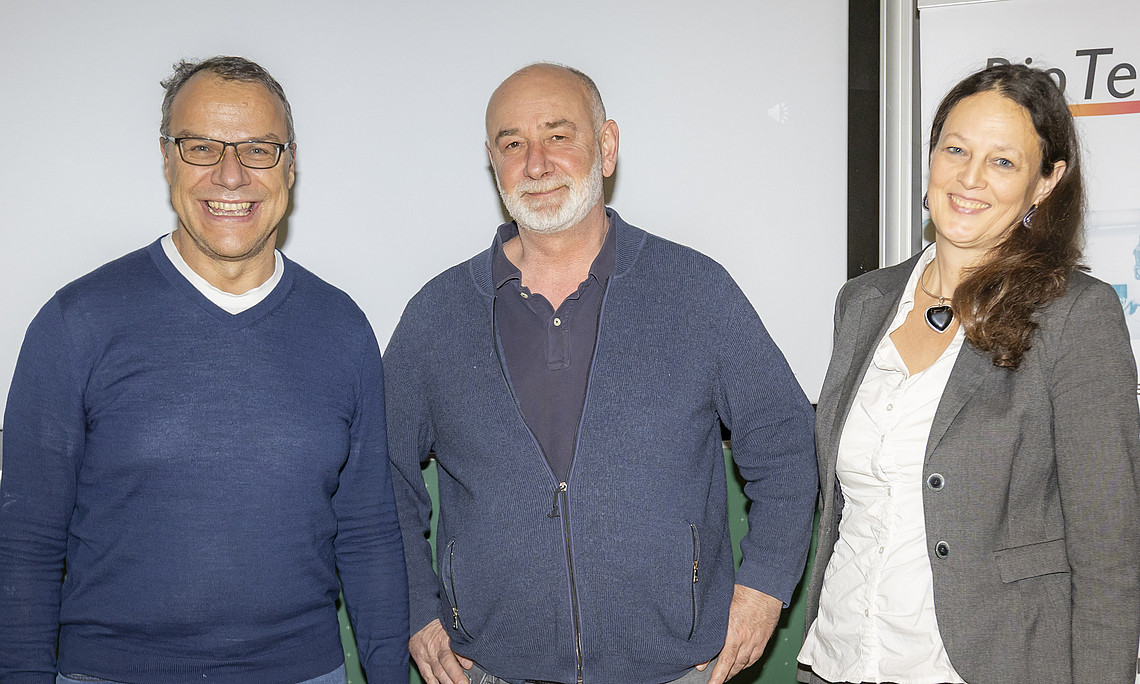
“The new professorship is an important step for our children,” says Catherine Walter-Laager, Vice-Rector for Teaching at the University of Graz and Head of the International Center for Professionalization in Early Childhood Educational Practice, short PEP. “In this way, we are ensuring that the latest scientific findings in early years education reach those who can make a real difference: the professionals in the field.”
A key task of the professorship is to develop methods and strategies for bringing research findings directly into everyday educational practice. The aim is to support childcare centres in integrating innovative approaches into their services and structures. The professorship will be based at the PEP, the largest research institution in this specialist field in the German-speaking world, with sites in Graz and Berlin.
Anyone wishing to understand how education, development and society interact will find a wide range of study options in this field at the University of Graz.
Translated with DeepL