



Begin of page section:
Page sections:

  • Go to contents (Accesskey 1)
  • Go to position marker (Accesskey 2)
  • Go to main navigation (Accesskey 3)
  • Go to sub navigation (Accesskey 4)
  • Go to additional information (Accesskey 5)
  • Go to page settings (user/language) (Accesskey 8)
  • Go to search (Accesskey 9)

End of this page section. Go to overview of page sections

Begin of page section:
Page settings:

English en
Deutsch de
Search
Login

End of this page section. Go to overview of page sections

Begin of page section:
Search:

Search for details about Uni Graz
Close

End of this page section. Go to overview of page sections


Search

Begin of page section:
Main navigation:

Page navigation:

  • University

    University
    • About the University
    • Organisation
    • Faculties
    • Library
    • Working at University of Graz
    • Campus
    Developing solutions for the world of tomorrow - that is our mission. Our students and our researchers take on the great challenges of society and carry the knowledge out.
  • Research Profile

    Research Profile
    • Our Expertise
    • Research Questions
    • Research Portal
    • Promoting Research
    • Research Transfer
    • Ethics in Research
    • Commission for Scientific Integrity
    Scientific excellence and the courage to break new ground. Research at the University of Graz creates the foundations for making the future worth living.
  • Studies

    Studies
    • Prospective Students
    • Students
  • Community

    Community
    • International
    • Location
    • Research and Business
    • Alumni
    The University of Graz is a hub for international research and brings together scientists and business experts. Moreover, it fosters the exchange and cooperation in study and teaching.
  • Spotlight
Topics
  • Sustainable University
  • Researchers answer
  • Work for us
Close menu

End of this page section. Go to overview of page sections

Begin of page section:
You are here:

University of Graz News Sonnenstürme

End of this page section. Go to overview of page sections

Friday, 10 January 2014

Sonnenstürme

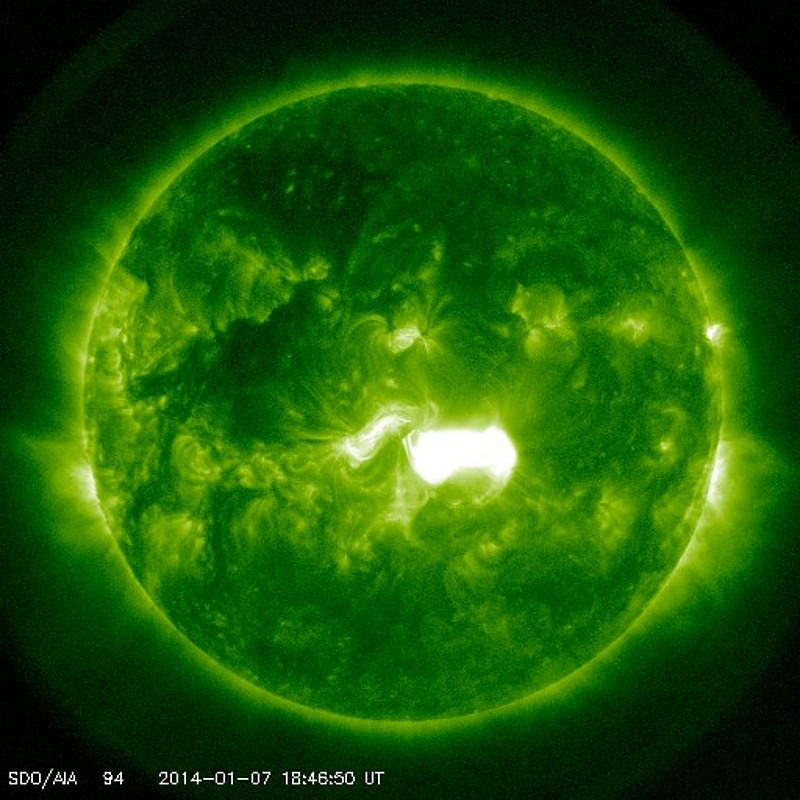
Die Sonne im Extremen UV bei 9.4 nm: Koronaler Massenauswurf, aufgenommen vom NASA Sonnensatelliten SDO am 7. Jänner 2014. Foto: NASA SDO

Die Sonne im Extremen UV bei 9.4 nm: Koronaler Massenauswurf, aufgenommen vom NASA Sonnensatelliten SDO am 7. Jänner 2014. Foto: NASA SDO

Neues internationales Forschungsprojekt mit federführender Beteiligung der Uni Graz soll die Vorhersage des Weltraumwetters verbessern

Eine Wetterkapriole im Weltraum macht aktuell Schlagzeilen. Am 7. Jänner 2014 um 19:30 Uhr MEZ beobachteten Observatorien, unter anderem jenes der Uni Graz auf der Kanzelhöhe in Kärnten, einen hochenergetischen Strahlungsblitz auf der Sonne. Dieser sogenannte Flare war mit koronalen Massenauswürfen verbunden, bei denen Plasma ins All geschleudert wurde. Der Schwall geladener Teilchen, als Sonnensturm bezeichnet, raste in der Folge durch den Weltraum. Seine Ausläufer erreichten am 9. Jänner die Erde, wo seine Auswirkungen allerdings schwächer ausfielen als erwartet. Sonnenstürme können nicht nur in hohen Breiten Polarlichter hervorrufen, sondern auch GPS-Signale stören, Stromausfälle verursachen oder dafür verantwortlich sein, dass Flüge, die über Polrouten geführt werden, einer erhöhten Strahlungsdosis ausgesetzt werden. Die Vorhersage des Weltraumwetters ist demnach von zunehmender Bedeutung.


Auf diesem Gebiet kommt der Karl-Franzens-Universität Graz mit dem Observatorium Kanzelhöhe für Sonnen- und Umweltforschung eine entscheidende Rolle zu. Es ist die Hauptstation für die Sonnenbeobachtung in Europa m Rahmen des Programms „Space Situational Awareness“ der Europäischen Weltraumbehörde ESA. Dort machen WissenschafterInnen Sonnenausbrüche mittels automatischer Bilderkennung in Echtzeit ausfindig und senden Warnmeldungen aus.

Aktuelle Informationen zum Weltraumwetter veröffentlicht das Observatorium Kanzelhöhe unter www.weltraumwetter.at


Neues Forschungsprojekt

Mit 13. Jänner 2014 startet ein weiteres internationales Projekt mit federführender Beteiligung der Uni Graz: „VarSITI (Variability of the Sun and Its Terrestrial Impact) soll zu einem besseren Verständnis der Physik der solar-terrestrischen Beziehung, sprich des Weltraumwetters und seiner Auswirkungen auf die Erde, führen“, erklärt Ass.-Prof. Dr. Manuela Temmer vom Institut für Physik der Karl-Franzens-Universität. Sie ist Ko-Leiterin des fünfjährigen Programms, an dem WissenschafterInnen aus aller Welt beteiligt sind. Um die Vorhersage des Weltraumwetters verbessern zu können, müssen die physikalischen Phänomene und Prozesse auf dem 150 Millionen Kilometer langen Weg der Teilchen von der Sonne zur Erde noch näher erforscht werden.

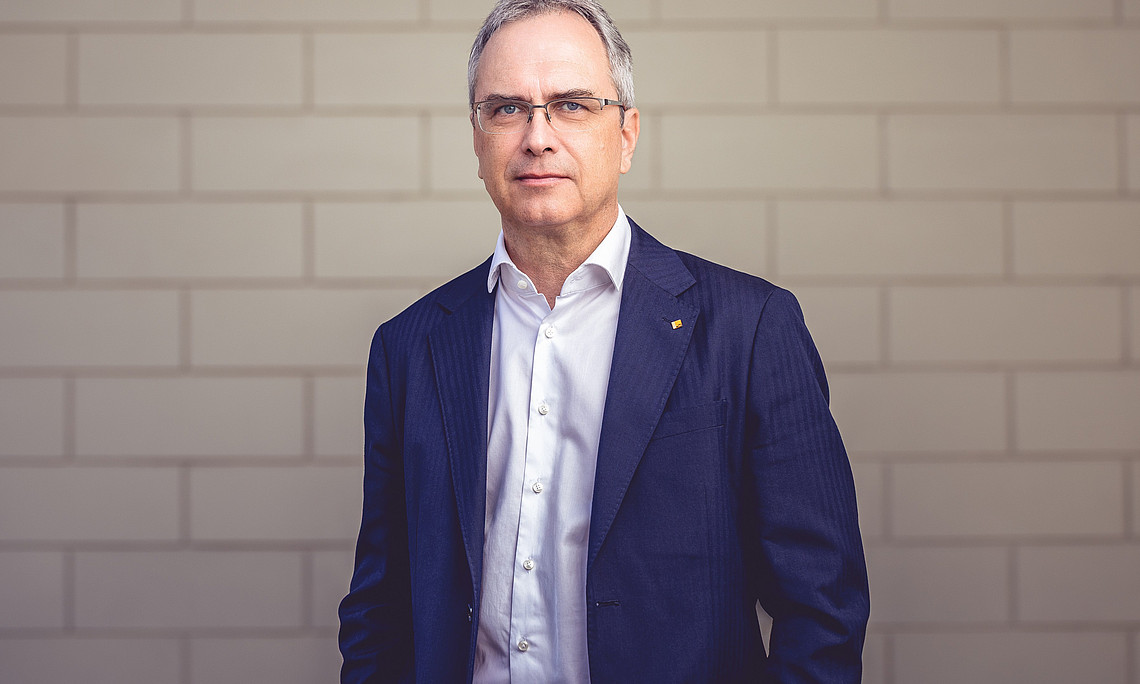
created by Gudrun Pichler

Related news

Higher Education Strategy 2040: Austria’s universities on course for the future

Austria has 77 higher education institutions, which is above the EU average – but does this really make sense? The new Higher Education Strategy 2040 focuses on cooperation rather than mergers. As one of the six largest universities in Austria, the University of Graz plays a central role in this.

Climate research in Greenland: Old data provides new insights

The polar explorer and University of Graz professor Alfred Wegener left behind a unique collection of climate data from Greenland. A research team from the University of Graz is now analysing this 100-year-old treasure trove of data and comparing it with current measurements.

Diversity in nature and science: How we talk about plants and each other

Ginkgo, kiwi, hemp: they exist as male and female plants. Anyone who paid attention in biology class will confirm this. But is this categorisation, established by Carl von Linné almost 300 years ago, still valid today? An interdisciplinary team at the University of Graz is questioning these attributions and using this as a starting point to provide food for thought for gender-sensitive interaction between students, scientific and teaching staff.

Around the world in eight stops: the Long Night of Research at the University of Graz

On 24 April from 5 pm, you can take a short trip around the globe at the University of Graz, discovering pecularities of foreign countries or new local features in the entrance hall of the University Library. The itinerary takes you through introduced animal species, political attitudes and the omnipotence of algorithms. There will also be a programme in the historic reading hall, as well as at the UniGraz@Museum and the University Archive.

Begin of page section:
Additional information:

University of Graz
Universitaetsplatz 3
8010 Graz
Austria
  • Contact
  • Web Editors
  • Moodle
  • UNIGRAZonline
  • Imprint
  • Data Protection Declaration
  • Accessibility Declaration
Weatherstation
Uni Graz

End of this page section. Go to overview of page sections

End of this page section. Go to overview of page sections

Begin of page section:

End of this page section. Go to overview of page sections

