Begin of page section:
Page sections:

  • Go to contents (Accesskey 1)
  • Go to position marker (Accesskey 2)
  • Go to main navigation (Accesskey 3)
  • Go to sub navigation (Accesskey 4)
  • Go to additional information (Accesskey 5)
  • Go to page settings (user/language) (Accesskey 8)
  • Go to search (Accesskey 9)

End of this page section. Go to overview of page sections

Begin of page section:
Page settings:

English en
Deutsch de
Search
Login

End of this page section. Go to overview of page sections

Begin of page section:
Search:

Search for details about Uni Graz
Close

End of this page section. Go to overview of page sections


Search

Begin of page section:
Main navigation:

Page navigation:

  • University

    University
    • About the University
    • Organisation
    • Faculties
    • Library
    • Working at University of Graz
    • Campus
    Developing solutions for the world of tomorrow - that is our mission. Our students and our researchers take on the great challenges of society and carry the knowledge out.
  • Research Profile

    Research Profile
    • Our Expertise
    • Research Questions
    • Research Portal
    • Promoting Research
    • Research Transfer
    • Ethics in Research
    • Commission for Scientific Integrity
    Scientific excellence and the courage to break new ground. Research at the University of Graz creates the foundations for making the future worth living.
  • Studies

    Studies
    • Prospective Students
    • Students
  • Community

    Community
    • International
    • Location
    • Research and Business
    • Alumni
    The University of Graz is a hub for international research and brings together scientists and business experts. Moreover, it fosters the exchange and cooperation in study and teaching.
  • Spotlight
Topics
  • Sustainable University
  • Researchers answer
  • Work for us
Close menu

End of this page section. Go to overview of page sections

Begin of page section:
You are here:

University of Graz News Menschenrechte in der EU

End of this page section. Go to overview of page sections

Friday, 24 January 2014

Menschenrechte in der EU

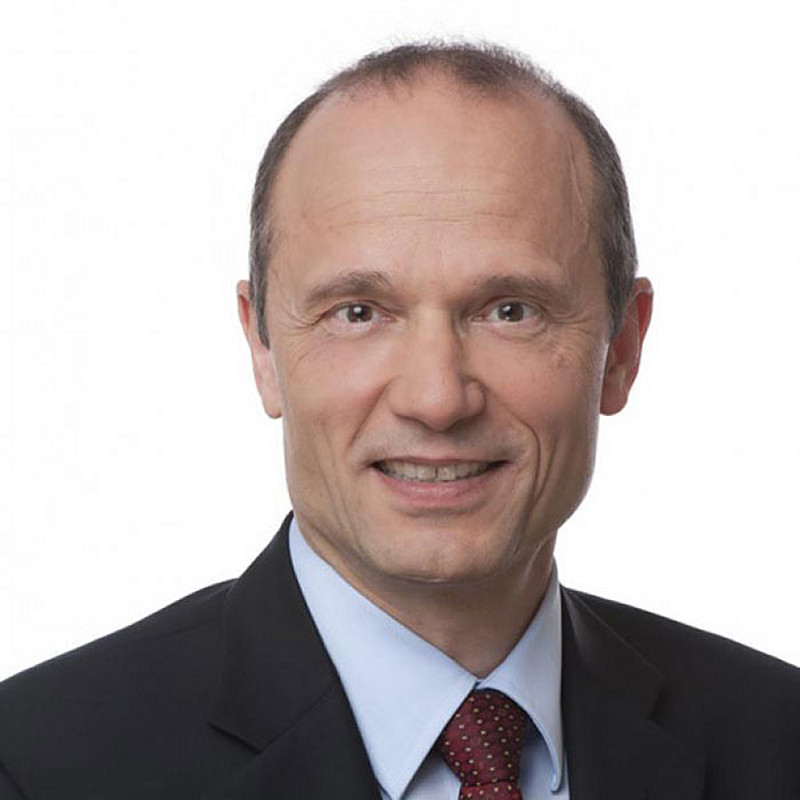
Morten Kjaerum. Foto: FRA

Morten Kjaerum. Foto: FRA

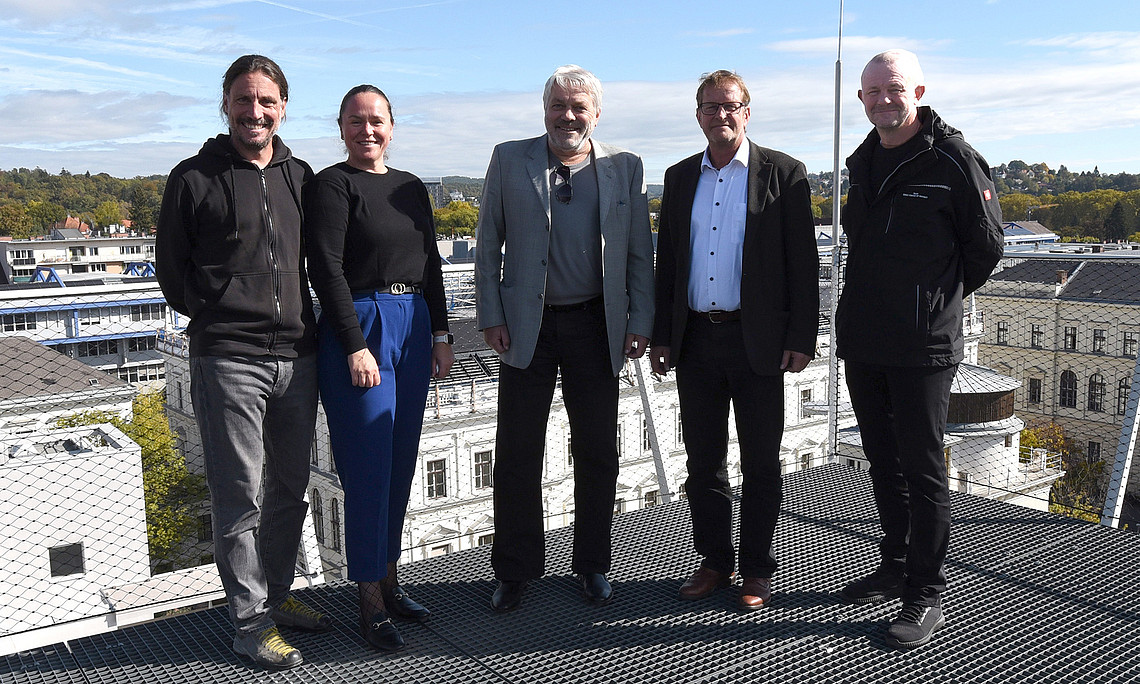
Morten Kjaerum und Renate Kicker. Foto: Schmiedl/ETC Graz

Morten Kjaerum und Renate Kicker. Foto: Schmiedl/ETC Graz

Morten Kjaerum, Direktor der Grundrechteagentur der Europäischen Union, hielt Vortrag am ETC Graz

Auf Einladung des ETC Graz, des Europäischen Trainings- und Forschungszentrums für Menschenrechte und Demokratie, war kürzlich der Direktor der Grundrechteagentur der Europäischen Union, Morten Kjaerum, zu Gast in Graz. Der dänische Jurist beleuchtete in seinem Vortrag „Fundamental Rights Agency: Achievements and Relevance for European Human Rights Policy“, wie die Grundrechteagentur konkret arbeitet. Ass.-Prof. DDr. Renate Kicker vom Institut für Völkerrecht und Internationale Beziehungen der Uni Graz moderierte die anschließende Diskussion.


Kjaerum nahm Bezug auf die drei brennenden Themenbereiche Grundrechte an den Außengrenzen der EU, Hate crime und Datensicherheit, die er mit zahlreichen Beispielen illustrierte: von der Methodik der groß angelegten Studien, die immer die Betroffenen und Opfer, nicht die Perspektive der Mehrheitsgesellschaft oder der TäterInnen in den Mittelpunkt stellen, über die Schulung von EU-BeamtInnen bis hin zum Lobbying in den EU-Gremien und Mitgliedsstaaten.


Zentraler Dreh- und Angelpunkt sämtlicher Aktivitäten auf allen Ebenen sind die Menschenrechte. Auch wenn oft humanitäre Maßnehmen ein schnelles Handeln erfordern, arbeitet die Agentur grundsätzlich auf strukturelle und systematische Lösungen hin. Das muss nicht immer die „große Lösung“ sein, wie beispielsweise in Finnland, das auf den Bericht über Hate crime mit einem ganzen Maßnahmenpaket reagierte. Oft geht es um einzelne Regelungen, wie etwa die Entkriminalisierung von Fischern, die schiffbrüchige Flüchtlinge aufnehmen, für diese Lebensrettung aber strafrechtlich mit Schleppern gleichgesetzt werden, oder Grundrechtstraining für GrenzschützerInnen „until they get it into their backbones“.


„Wir bewegen uns in Richtung einer europäischen Menschenrechtsarchitektur.“ So konterte Morten Kjaerum skeptischen Fragen, ob Europa eigentlich neben Europarat und OSZE eine weitere Menschenrechtsinstitution brauche – nicht ohne seine optimistische Einschätzung gleich etwas zu relativieren: Es gebe mehr als genug zu tun für alle Institutionen, die sich in ihrer Arbeit möglichst ergänzen sollten.


Zudem sei er angesichts jener Trends, welche die breit angelegten Studien der Agentur in allen EU-Mitgliedsländern dokumentieren, manchmal knapp daran, seinen Optimismus zu verlieren. Gerade durch die letzten Studien über Hate crime und Minderheiten in Europa zieht sich als roter Faden die Angst, die Angst vor Übergriffen, aber auch die Angst, erfolgte Übergriffe anzuzeigen.

Sie zeigen aber auch – das sei die positive Seite – den Effekt konsequenter Arbeit: Die britische Polizei kann sich, nach jahrelanger Arbeit, mittlerweile freuen, dass nirgendwo in der EU die BürgerInnen so viel Vertrauen in die Polizei setzen wie in Großbritannien.

created by Barbara Schmiedl & Gudrun Pichler

Related news

Higher Education Strategy 2040: Austria’s universities on course for the future

Austria has 77 higher education institutions, which is above the EU average – but does this really make sense? The new Higher Education Strategy 2040 focuses on cooperation rather than mergers. As one of the six largest universities in Austria, the University of Graz plays a central role in this.

Climate research in Greenland: Old data provides new insights

The polar explorer and University of Graz professor Alfred Wegener left behind a unique collection of climate data from Greenland. A research team from the University of Graz is now analysing this 100-year-old treasure trove of data and comparing it with current measurements.

Diversity in nature and science: How we talk about plants and each other

Ginkgo, kiwi, hemp: they exist as male and female plants. Anyone who paid attention in biology class will confirm this. But is this categorisation, established by Carl von Linné almost 300 years ago, still valid today? An interdisciplinary team at the University of Graz is questioning these attributions and using this as a starting point to provide food for thought for gender-sensitive interaction between students, scientific and teaching staff.

Around the world in eight stops: the Long Night of Research at the University of Graz

On 24 April from 5 pm, you can take a short trip around the globe at the University of Graz, discovering pecularities of foreign countries or new local features in the entrance hall of the University Library. The itinerary takes you through introduced animal species, political attitudes and the omnipotence of algorithms. There will also be a programme in the historic reading hall, as well as at the UniGraz@Museum and the University Archive.

Begin of page section:
Additional information:

University of Graz
Universitaetsplatz 3
8010 Graz
Austria
  • Contact
  • Web Editors
  • Moodle
  • UNIGRAZonline
  • Imprint
  • Data Protection Declaration
  • Accessibility Declaration
Weatherstation
Uni Graz

End of this page section. Go to overview of page sections

End of this page section. Go to overview of page sections

Begin of page section:

End of this page section. Go to overview of page sections