



Begin of page section:
Page sections:

  • Go to contents (Accesskey 1)
  • Go to position marker (Accesskey 2)
  • Go to main navigation (Accesskey 3)
  • Go to sub navigation (Accesskey 4)
  • Go to additional information (Accesskey 5)
  • Go to page settings (user/language) (Accesskey 8)
  • Go to search (Accesskey 9)

End of this page section. Go to overview of page sections

Begin of page section:
Page settings:

English en
Deutsch de
Search
Login

End of this page section. Go to overview of page sections

Begin of page section:
Search:

Search for details about Uni Graz
Close

End of this page section. Go to overview of page sections


Search

Begin of page section:
Main navigation:

Page navigation:

  • University

    University
    • About the University
    • Organisation
    • Faculties
    • Library
    • Working at University of Graz
    • Campus
    Developing solutions for the world of tomorrow - that is our mission. Our students and our researchers take on the great challenges of society and carry the knowledge out.
  • Research Profile

    Research Profile
    • Our Expertise
    • Research Questions
    • Research Portal
    • Promoting Research
    • Research Transfer
    • Ethics in Research
    • Commission for Scientific Integrity
    Scientific excellence and the courage to break new ground. Research at the University of Graz creates the foundations for making the future worth living.
  • Studies

    Studies
    • Prospective Students
    • Students
    • Post-registration Law
  • Community

    Community
    • International
    • Location
    • Research and Business
    • Alumni
    The University of Graz is a hub for international research and brings together scientists and business experts. Moreover, it fosters the exchange and cooperation in study and teaching.
Topics
  • Sustainable University
  • Researchers answer
  • Work for us
Close menu

End of this page section. Go to overview of page sections

Begin of page section:
You are here:

University of Graz News Klimabericht

End of this page section. Go to overview of page sections

Monday, 09 August 2021

Klimabericht

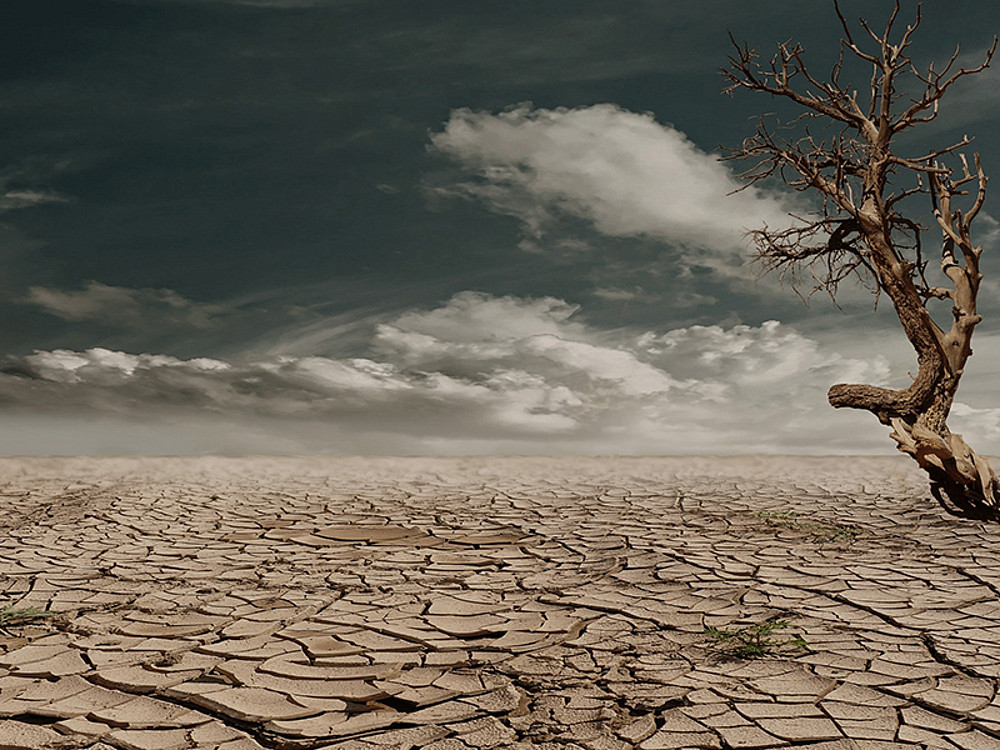
Der Klimabericht des Intergovernmental Panel on Climate Change (IPCC) belegt: Extremereignisse wie Hitzewellen, Starkregen und Dürren treten häufiger und heftiger auf. Handeln ist jetzt gefragt. Foto: pexels.com

Der Klimabericht des Intergovernmental Panel on Climate Change (IPCC) belegt: Extremereignisse wie Hitzewellen, Starkregen und Dürren treten häufiger und heftiger auf. Handeln ist jetzt gefragt. Foto: pexels.com

Durch Treibhausgas-Emissionen werden Extremwetterereignisse häufiger und intensiver

Schon jetzt beeinflusst der Klimawandel jede bewohnte Region der Erde, und diese Änderungen werden mit weiterer Erwärmung zunehmen. Das geht aus dem ersten Band des sechsten Sachstandsberichts hervor, der heute vom Intergovernmental Panel on Climate Change (IPCC) der Öffentlichkeit vorgestellt wurde. „Der menschliche Einfluss auf das Klima ist unbestreitbar und macht Extremereignisse wie Hitzewellen, Starkregen und Dürren häufiger und heftiger. Das geht aus dem Bericht ganz klar hervor,“ erklärt Douglas Maraun vom Wegener Center der Universität Graz, der als Leitautor am Report mitgearbeitet hat.

Maraun unterstreicht, dass es in den vergangenen Jahrzehnten in Europa eine Zunahme oder Intensivierung von Hitzewellen, Trockenperioden und, insbesondere auch im Alpenraum, von Starkniederschlägen gab. „Viele der jüngsten Extremereignisse entsprechen also dem, was wir erwarten”, so Maraun. Um den Klimawandel und seine Folgen zu begrenzen, ist eine starke, schnelle und nachhaltige Reduktion von Treibhausgasemissionen notwendig. Insbesondere das Ziel, die Erwärmung unter 1,5 Grad Celsius zu halten – auch bekannt als Pariser Klimaziel –, kann ohne eine baldige, schnelle und umfassende Verminderung der Emissionen nicht erreicht werden. 

Das Wegener Center im Weltklimabericht
Der sogenannte „Sachstandsbericht“ wird alle sieben Jahre vom IPCC veröffentlicht. Ein Kernteam aus 234 WissenschafterInnen aus 60 Ländern hat drei Jahre lang ehrenamtlich daran gearbeitet. Als einer von zwei Forschern aus Österreich im Kernteam hat Douglas Maraun als Leitautor am Kapitel zu Regionalem Klimawandel gearbeitet, vor allem zur Frage, wie gut aktuelle Klimamodelle eigentlich für regionale Klimaprognosen geeignet sind. Weiters haben vom Wegener Center auch Martin Jury und Florian Ladstädter als beitragende Autoren am Bericht mitgewirkt ebenfalls zu diesem Kapitel beigetragen, Florian Ladstädter zum Kapitel über beobachtete Klimaänderungen. Der aktuelle Bericht fasst die naturwissenschaftlichen Grundlagen des Klimawandels zusammen, im nächsten Jahr erscheinen die Bände zu den Folgen und zur Vermeidung. 
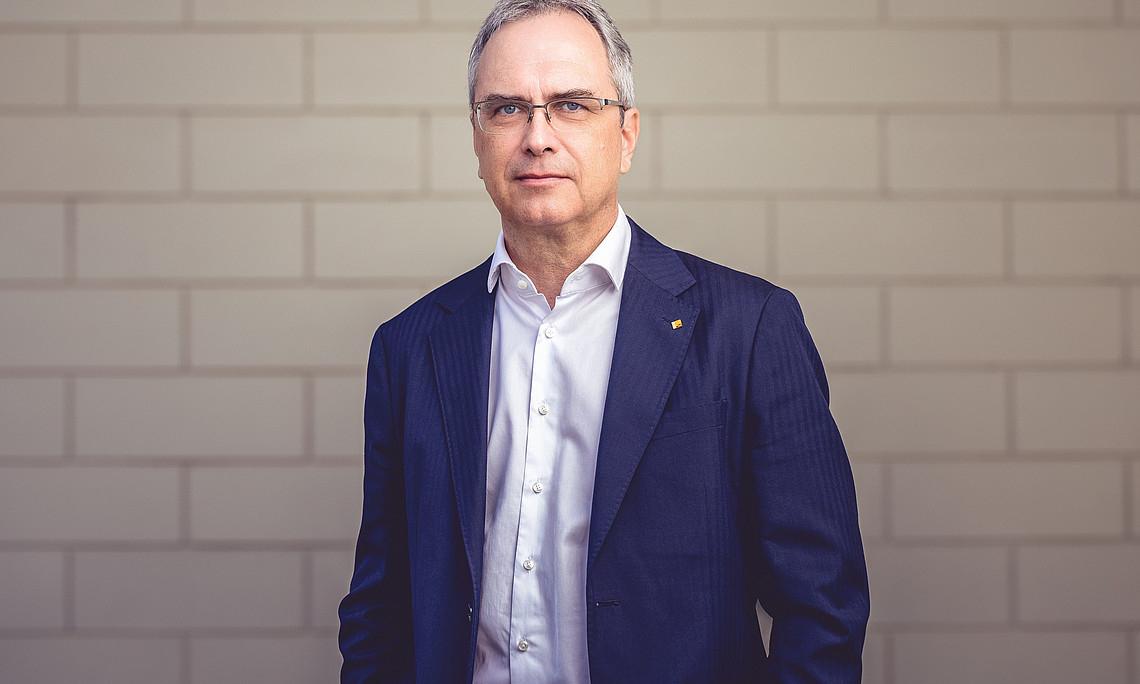
created by Kommunikation & Öffentlichkeitsarbeit und Wegener Center

Related news

Record of reported species: Styria wins the global City Nature Challenge

Observers in Styria recorded 4,660 different animals, plants and fungi as part of the international City Nature Challenge between 24 and 27 April 2026. This saw the region take first place in the "species" category. Ostrava in the Czech Republic made the most observations, with just under 140,000, whilst the San Francisco Bay Area had the highest number of participants, namely 3,019.

Studying at the University of Graz: How to enrol

Ready for a new chapter in your life with the start of your studies at the University of Graz in the winter semester 2026/27? Here you will find information on deadlines, admission procedures, registration, and everything else you need to successfully start your studies in the fall.

Europe Day: Strengthening international expertise with Arqus

On 9 May, the spotlight will be on Europe. At the University of Graz, European cooperation is also a tangible part of everyday student life – not least through the Arqus university alliance. Master’s and PhD students can currently register for the Arqus micro-credential in ‘Advanced Creative Thinking and Communication’.

A substantial community: the key role of soil crusts in the earth system

They are often overshadowed by the plant world: lichens, fungi, mosses and bacteria, which form unique communities on rocks and trees or as soil crusts. Bettina Weber from the University of Graz is bringing this biological alliance into the research spotlight. Her research shows that these communities form an essential part of the Earth’s critical zone and play a key role in the interactions between land and atmosphere. Bettina Weber was honoured by the European Geosciences Union for her groundbreaking research at the beginning of May.

Begin of page section:
Additional information:

University of Graz
Universitaetsplatz 3
8010 Graz
Austria
  • Contact
  • Web Editors
  • Moodle
  • UNIGRAZonline
  • Imprint
  • Data Protection Declaration
  • Accessibility Declaration
Weatherstation
Uni Graz

End of this page section. Go to overview of page sections

End of this page section. Go to overview of page sections

Begin of page section:

End of this page section. Go to overview of page sections


