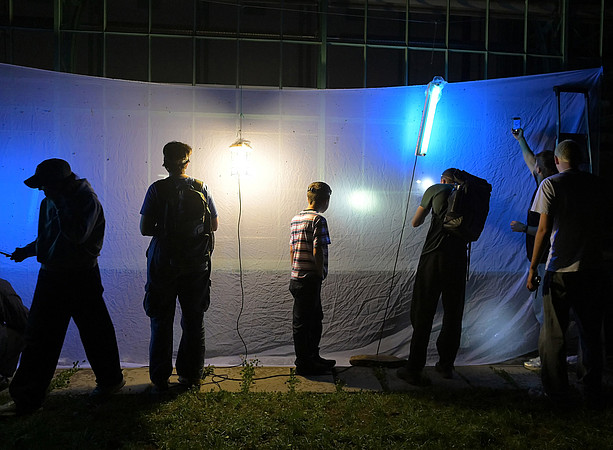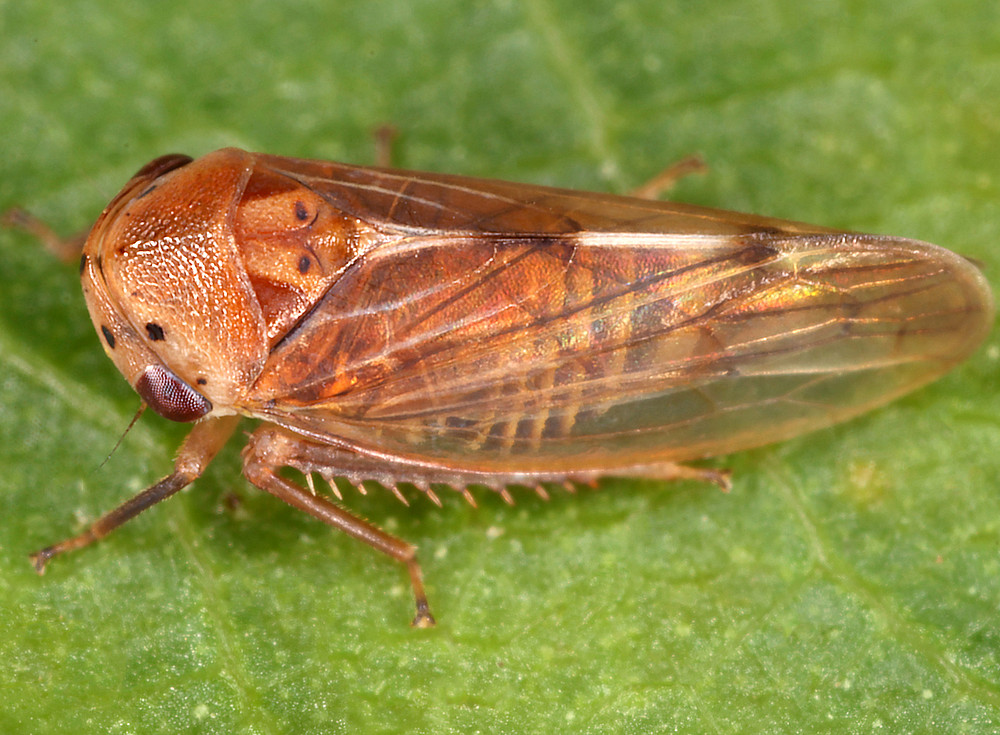
Since 2024, insect expert Gernot Kunz, together with students, has recorded numerous neozoa – the technical term for introduced animal species – in the University of Graz Botanical Garden: 14 different true hoppers, 12 plant lice, nine moths, eight true bugs, seven beetles, five each of Diptera and Hymenoptera, five arachnids, four cockroaches, one millipede and the brown rat. He found the most recent ones this year during an insect night viewing event at the end of May and the end of June, aided by special light traps. In addition, he and students combed through the vegetation using headlamps.
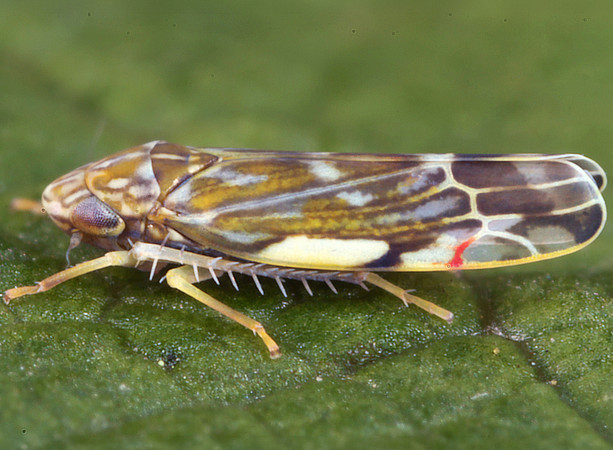
Among the newcomers to the Botanical Garden is the American grapevine leafhopper (Scaphoideus titanus). Kunz first identified it in the Graz urban area seven years ago. It has been known to occur in the area around Klöch/Styria since 2004. Initially introduced to southern Europe, it is spreading further and further north. It has now become a serious threat to wine-growing estates in the southern part of Styria. “By feeding on the vines, it can transmit the flavescence dorée and thus cause the vines to die. However, the leafhopper is significantly more widespread than the pathogen itself,” says the researcher.
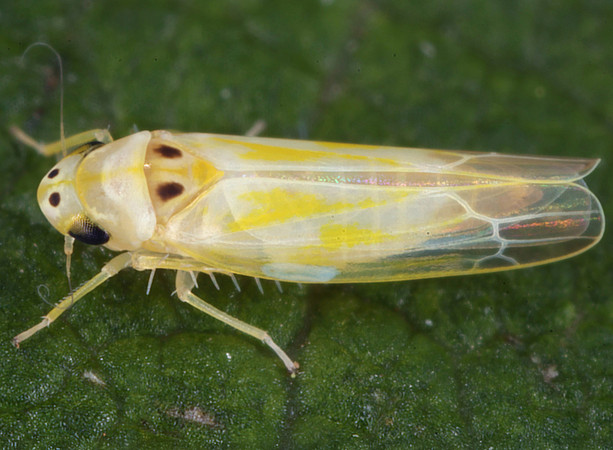
Also newly arrived at the Botanical Garden are the wounded leafhopper from North America (Erasmoneura vulnerata) and the Japanese grape leafhopper (Arboridia kakogawana). “Erasmoneura vulnerata sits on the upper surface, whilst Arboridia kakogawana prefers the underside of the leaves, from which they suck the sap. This results in small yellow spots, but does not endanger the vines,” explains Kunz. Both species had already been discovered previously in the Styrian capital. Kunz first recorded the Japanese grape leafhopper in Austria last year in Graz-Puntigam.
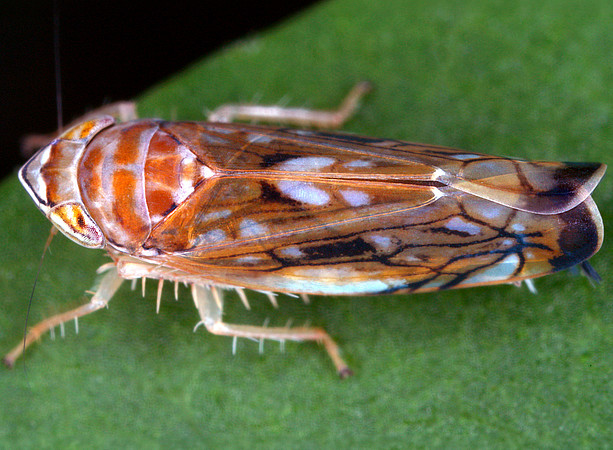
The Indian leafhopper (Pediopsoides sharmai) is not interested in grapevines, but feeds exclusively on walnut leaves. It, too, is spreading rapidly. In 2020, it was first sighted in Europe in the Netherlands. This year, Kunz identified it in the Botanical Garden, having previously been spotted in Vorarlberg and Graz-Andritz in 2024.
“Cities are hotspots for species introduced via transport routes before they spread across the country. Around 75 per cent of the non-native species we find in the Botanical Garden travel around the world via the plant trade. This is hardly surprising, as a single clutch of eggs on or in a plant is enough to establish a population,” explains the researcher.
As part of the “City Nature Challenge”, the scientist invites not only students but also nature enthusiasts from the general public every year to search for and document species in the Botanical Garden. The entire site plays an important role for biodiversity: “During an insect night viewing event at the end of May, we discovered over a hundred different species of moths. That’s a very high number for an urban area,” says Kunz happily.
If you are interested in biodiversity, animal and plant habitats, ecology and nature conservation, you can gain in-depth knowledge and discover flora and fauna on field trips during the Biology degree programme at the University of Graz.