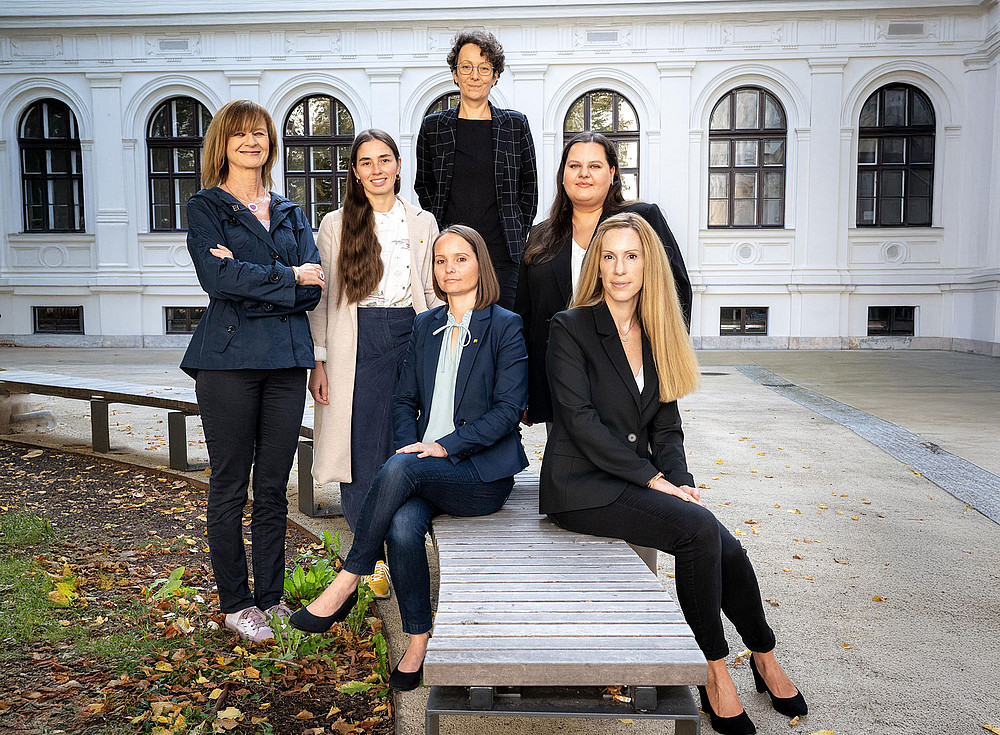
An employee is bullied because of his sexual orientation, a female student is treated in a derogatory manner by a lecturer, a woman is not taken seriously as a supervisor – anyone who has had such or similar experiences at the university and would like to talk about them, or possibly even take action against them, has come to the right place at the AKGL. “The task of our members is to provide accurate factual information and, above all, to build trust by listening carefully, giving sound advice and treating concerns with strict confidentiality,” explains Ulrike Schustaczek, legal expert and head of the AKGL Office.
For those affected, an important first step is to talk about the stressful situation. “Perhaps they want to point out misconduct or gain more clarity for themselves,” says Schustaczek. Legal experts at the AKGL advise on legal options, such as requesting an expert opinion from the Federal Equal Treatment Commission. There are also other ways of help: “On the one hand, depending on the needs, we can recommend various internal and external university services that offer further support free of charge,” says Aigner. “On the other hand, we offer to mediate between the people involved or to contact the University Management Team,” says the AKGL chairwoman.
What gives the AKGL team hope is that those affected by discrimination are increasingly willing to talk about their experiences. “This is the only way to improve the situation. Seeking advice and help is an act of self-empowerment that also benefits others – ultimately the organisation as a whole,” emphasises Aigner, adding: “It is important that those working and studying at the university are able to grow and mature – in their professional activities, their career commitment and personally. That is what the Working Group for Equal Opportunities is there for.”