



Begin of page section:
Page sections:

  • Go to contents (Accesskey 1)
  • Go to position marker (Accesskey 2)
  • Go to main navigation (Accesskey 3)
  • Go to sub navigation (Accesskey 4)
  • Go to additional information (Accesskey 5)
  • Go to page settings (user/language) (Accesskey 8)
  • Go to search (Accesskey 9)

End of this page section. Go to overview of page sections

Begin of page section:
Page settings:

English en
Deutsch de
Search
Login

End of this page section. Go to overview of page sections

Begin of page section:
Search:

Search for details about Uni Graz
Close

End of this page section. Go to overview of page sections


Search

Begin of page section:
Main navigation:

Page navigation:

  • University

    University
    • About the University
    • Organisation
    • Faculties
    • Library
    • Working at University of Graz
    • Campus
    Developing solutions for the world of tomorrow - that is our mission. Our students and our researchers take on the great challenges of society and carry the knowledge out.
  • Research Profile

    Research Profile
    • Our Expertise
    • Research Questions
    • Research Portal
    • Promoting Research
    • Research Transfer
    • Ethics in Research
    • Commission for Scientific Integrity
    Scientific excellence and the courage to break new ground. Research at the University of Graz creates the foundations for making the future worth living.
  • Studies

    Studies
    • Prospective Students
    • Students
    • Welcome Weeks for First Year Students
  • Community

    Community
    • International
    • Location
    • Research and Business
    • Alumni
    The University of Graz is a hub for international research and brings together scientists and business experts. Moreover, it fosters the exchange and cooperation in study and teaching.
Topics
  • Sustainable University
  • Researchers answer
  • Work for us
Close menu

End of this page section. Go to overview of page sections

Begin of page section:
You are here:

University of Graz News Die Schizophrenie der Kunststoffe

End of this page section. Go to overview of page sections

Wednesday, 12 July 2017

Die Schizophrenie der Kunststoffe
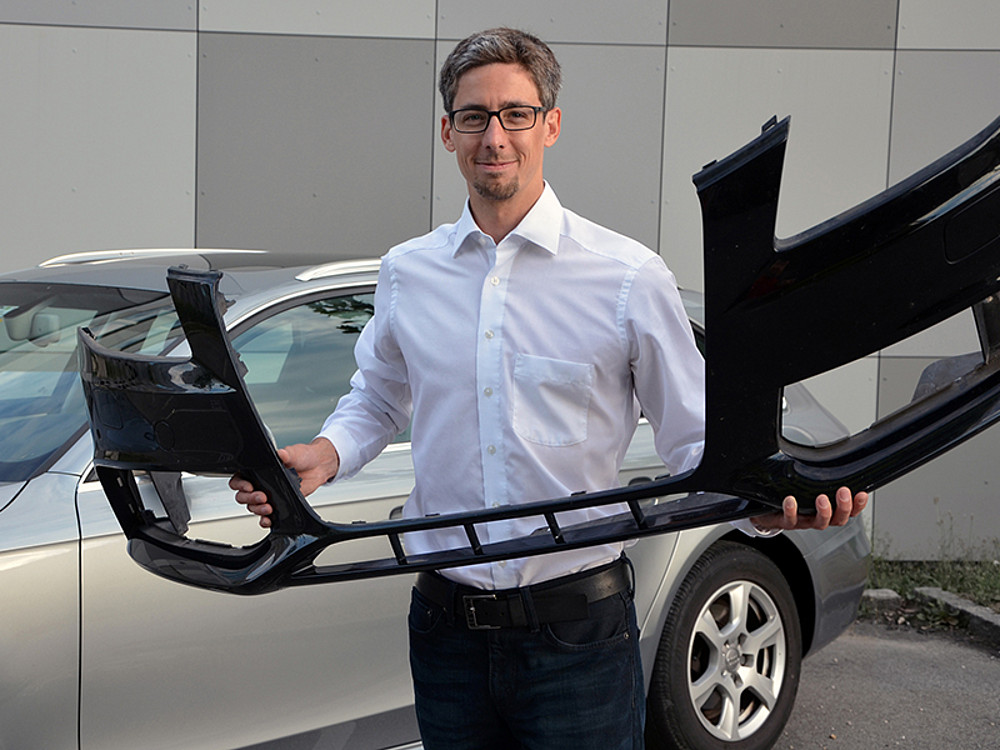
David Schönmayr analysiert das System der automotiven Kunststoffproduktion und -Verwertung. Foto: Stefanie H. Fotografie
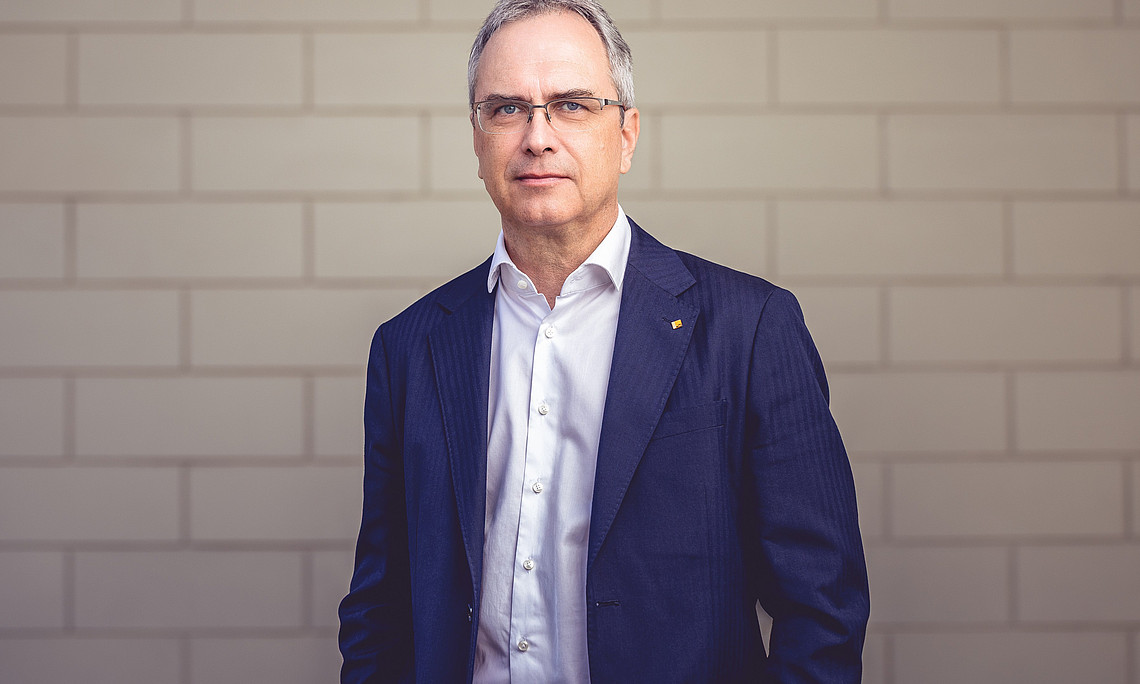
David Schönmayr analysiert das System der automotiven Kunststoffproduktion und -Verwertung. Foto: Stefanie H. Fotografie

Absolvent der Uni Graz entwickelte Fahrplan für Recyclingherausforderungen der Automobilindustrie

Rohölproduktion und Plastikmüll auf der einen Seite, CO2-Einsparungen und rekordverdächtige Sicherheit auf der anderen Seite. Das ist die Schizophrenie des High-Tech Materials Kunststoff im Automobil, wie es David Schönmayr, PhD, bezeichnet. Schönmayr analysierte dieses Paradoxon in seinem Doktoratsstudium an der Karl-Franzens-Universität Graz und hat nun nach seinem Promotion ein Buch bei Springer veröffentlicht: „Automotive Recycling, Plastics, and Sustainability“.
„Die Nutzungsphase von Autos wird ökologisch betrachtet immer weniger relevant, da der CO2-Verbrauch pro Kilometer durch Kunststoff-Leichtbau, effiziente Antriebe und Elektromobilität stetig sinkt“, erklärt der Absolvent der Uni Graz „Der Nachteil ist, dass die Produktion und die Verwertung nach der Nutzung immer komplexer werden. Dort verstecken sich nun einige der vermeintlich eingesparten Umweltauswirkungen.“ Deshalb, so Schönmayr, müssten jetzt genau neue Lösungen entwickelt werden.
In seinem Buch analysiert der Forscher dazu das System der automotiven Kunststoffproduktion und -Verwertung, liefert praktische Tools, Prognosen, Szenarien und die Ergebnisse einer europaweiten Expertenumfrage. Dabei zeigt er beispielsweise, dass der Einsatz recycelter Kunststoffe aktuell noch bei weniger sicherheitskritischen Bauteilen – wie Radläufen, Abdeckungen, Gehäusen und Wasserabweisern – sowie EcoDesign die zwei wichtigsten Schritte sind, um Automotivkunststoffe nachhaltiger zu gestalten. „Selbst Verbundwerkstoffe und Biokunststoffe schneiden deutlich schlechter ab“, weiß Schönmayr, der auch eine „Roadmap für Kunststoffkreisläufe in Unternehmen“ erarbeitet hat.

Der Autor ist Fachmann der unternehmerischen Nachhaltigkeit. Er hat sein Doktorat am Institut für Geographie und Raumforschung sowie am Institut für Systemwissenschaften, Innovations- und Nachhaltigkeitsforschung der Karl-Franzens-Universität Graz absolviert. Aktuell ist er im Cleantech-Cluster der Business Upper Austria – OÖ Wirtschaftsagentur GmbH aktiv und setzt nachhaltige Projekte mit Industrie und Forschung um. Eines der Projekte, Kunststoff-CSI, wurde kürzlich mit dem Energy Globe Award Austria ausgezeichnet.

>> Infos zum Buch

created by Andreas Schweiger

Related news

Jurassic Sounds: Biologist reconstructs insect songs from 165 million years ago

It was apparently not just the roars of the dinosaurs that made up the soundscape of the animal world during the Jurassic period. Crickets and grasshoppers communicated through a variety of songs and high-pitched sounds, as Thorin Jonsson from the Institute of Biology at the University of Graz discovered together with colleagues from the universities of Lincoln, Bristol (UK), Beijing (China) and Tempe (USA). The findings on what are so far the oldest traces of sound on Earth have just been published in the journal PNAS.

EU funding boosts international exchange between universities

The University of Graz is further expanding its international study opportunities through the European university alliance Arqus and is taking the lead in two key projects. In future, students will benefit from even more joint degree programmes and from simplified recognition of academic achievements through the Joint European Degree Label.

Rescue and risks: Researchers have surveyed public perceptions of AI

The use of artificial intelligence has had to be made transparent since 2 August 2026. The EU’s AI Act, which has been in force since then, also sets out how risky an application is and which security measures apply as a result. However, the assessment of risks by the legislation differs in some cases significantly from the perceptions of the Austrian public. This is the finding of a representative study carried out by data scientist Stefan Thalmann from the University of Graz and his team.

The Healing Sea: Researchers discover new approaches to treating chronic inflammation in sponges

Chronic inflammation plays a key role in many diseases, ranging from metabolic disorders and cardiovascular diseases to tissue damage following injuries or infections. “Normally, the body is able to resolve inflammation on its own. If this process becomes unbalanced, immune cells remain permanently active and continue to drive negative changes in the tissue,” explains Andreas Koeberle, a pharmacist at the University of Graz.

Begin of page section:
Additional information:

University of Graz
Universitaetsplatz 3
8010 Graz
Austria
  • Contact
  • Web Editors
  • Moodle
  • UNIGRAZonline
  • Imprint
  • Data Protection Declaration
  • Accessibility Declaration
Weatherstation
Uni Graz

End of this page section. Go to overview of page sections

End of this page section. Go to overview of page sections

Begin of page section:

End of this page section. Go to overview of page sections


