



Begin of page section:
Page sections:

  • Go to contents (Accesskey 1)
  • Go to position marker (Accesskey 2)
  • Go to main navigation (Accesskey 3)
  • Go to sub navigation (Accesskey 4)
  • Go to additional information (Accesskey 5)
  • Go to page settings (user/language) (Accesskey 8)
  • Go to search (Accesskey 9)

End of this page section. Go to overview of page sections

Begin of page section:
Page settings:

English en
Deutsch de
Search
Login

End of this page section. Go to overview of page sections

Begin of page section:
Search:

Search for details about Uni Graz
Close

End of this page section. Go to overview of page sections


Search

Begin of page section:
Main navigation:

Page navigation:

  • University

    University
    • About the University
    • Organisation
    • Faculties
    • Library
    • Working at University of Graz
    • Campus
    Developing solutions for the world of tomorrow - that is our mission. Our students and our researchers take on the great challenges of society and carry the knowledge out.
  • Research Profile

    Research Profile
    • Our Expertise
    • Research Questions
    • Research Portal
    • Promoting Research
    • Research Transfer
    • Ethics in Research
    • Commission for Scientific Integrity
    Scientific excellence and the courage to break new ground. Research at the University of Graz creates the foundations for making the future worth living.
  • Studies

    Studies
    • Prospective Students
    • Students
    • Registration for Study Programme (Winter semester 2026/27)
    • Welcome Weeks for First Year Students
  • Community

    Community
    • International
    • Location
    • Research and Business
    • Alumni
    The University of Graz is a hub for international research and brings together scientists and business experts. Moreover, it fosters the exchange and cooperation in study and teaching.
Topics
  • Sustainable University
  • Researchers answer
  • Work for us
Close menu

End of this page section. Go to overview of page sections

Begin of page section:
You are here:

University of Graz News Den Klimawandel bewältigen

End of this page section. Go to overview of page sections

Monday, 31 March 2014

Den Klimawandel bewältigen
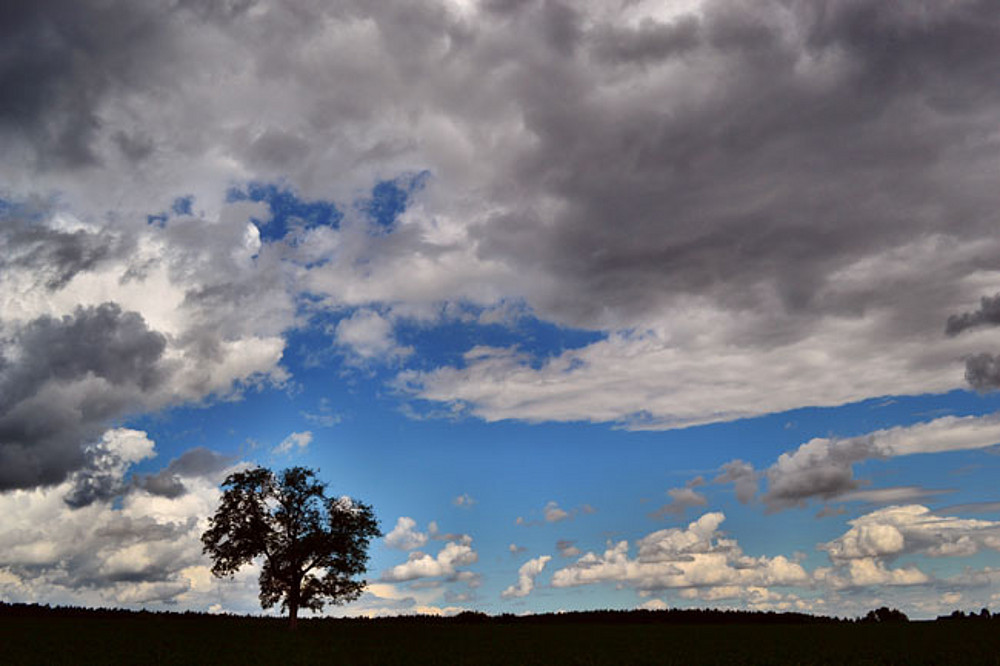
Auf welche Wetter-Ereignisse wir uns einstellen müssen und wie die Landwirtschaft mit Starkregen und Dürre umgehen soll, klärt ein neues Doktoratskolleg an der Uni Graz. Andreas Hermsdorf/pixelio.de

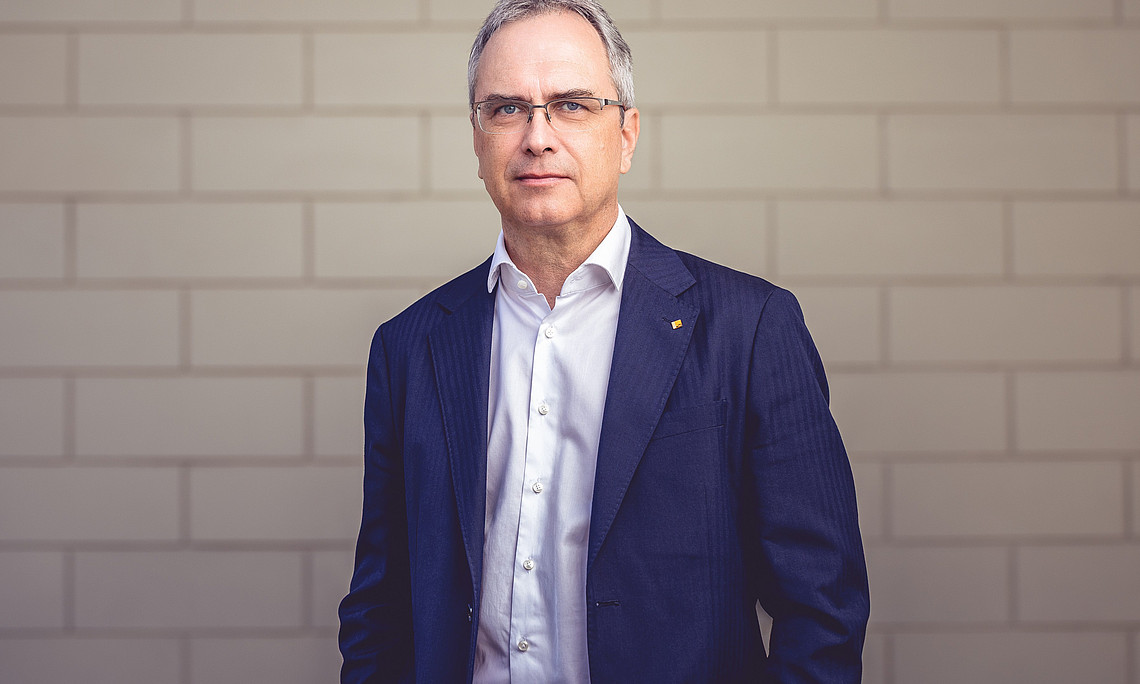
Neues Doktoratskolleg an der Universität Graz entwickelt effiziente Strategien

Wie schnell wird es wärmer? Auf welche Wetter-Ereignisse müssen wir uns einstellen? Wie soll die Landwirtschaft auf Hagel oder Dürre reagieren? Dass der Mensch entscheidend zum Klimawandel beiträgt, steht fest. Die längerfristigen Entwicklungen und möglichen Folgen sind hingegen von großen Unsicherheiten geprägt. Die Konsequenzen der Veränderungen besser zu verstehen, ist ein Ziel des neuen interdisziplinären Doktoratskollegs „Klimawandel – Unsicherheiten, Schwellenwerte und Strategien“ an der Uni Graz, das vom Österreichischen Wissenschaftsfonds FWF mit  rund 2,2 Millionen Euro gefördert wird.

In der ersten Phase erhalten 16 DissertantInnen die Möglichkeit, eine adäquat bezahlte wissenschaftliche Karriere in einem qualitativ hochwertigen Umfeld voranzutreiben. Sie sollen beispielsweise jene Schwellenwerte herausfinden, die die Funktion von ökologischen, sozialen und wirtschaftlichen Systemen gefährden. „Damit sollen klare Grenzen für den Fortbestand unserer Umwelt und Gesellschaft gefunden werden, die auch das Wohlergehen der Menschen rund um den Globus garantieren“, präzisiert der Philosoph und Klimaethiker Univ.-Prof. Dr. Lukas Meyer, Sprecher des Kollegs.

Im Mittelpunkt der Dissertationsprojekte steht weiters die Frage, was wissenschaftlich fundierte, technologisch und institutionell machbare, wirtschaftlich effiziente und ethisch vertretbare Strategien zur Reaktion auf den Klimawandel sind. „Antworten darauf sind anspruchsvoll, da wir sehr fächerübergreifend arbeiten und viele AkteurInnen berücksichtigen müssen“, betont der Physiker und Klimaforscher Univ.-Prof. Dr. Gottfried Kirchengast, Ko-Sprecher des Doktoratskollegs. Es arbeiten verschiedene Zweige, nämlich Philosophie, Systemwissenschaften, Ökonomie, Geowissenschaften, Meteorologie und Klimaforschung, zusammen.

Das Ausbildungsprogramm wird von elf ProfessorInnen und ihren Teams aus vier Fakultäten getragen und ist Teil des Forschungsschwerpunkts „Umwelt und Globaler Wandel“. Das Kolleg startet in diesem Semester und wurde für vier Jahre bewilligt. Nach entsprechender Evaluierung kann die Laufzeit auf bis zu zwölf Jahre verlängert werden.

created by Dagmar Eklaude

Related news

Commissioned by NATO: University of Graz tests high-tech textiles

As part of an international project, antimicrobial and fire-resistant fabrics with UV protection are being developed in Zagreb. Pharmacists from the University of Graz are ensuring that these fabrics are skin-friendly.

The Arctic up close: ORF special feature on the University of Graz’s research station in S

Students from the University of Graz are spending two weeks conducting research at the Sermilik Fjord in Greenland, which has been operational for three years. They are measuring glacial runoff, tracking ice melt in real time and installing weather stations. ORF is following the expedition and will be reporting on the special feature ‘Arctic Adventure’ across its various channels from 20 July.

Medicine for ants: Caffeine prolongs the life of infected insects

Black coffee stimulates us and acts against bacteria. So, can caffeine also be good for insects? Yes, confirm biologists of the University of Graz. When ants suffer from a fungal disease, they consume more caffeine and remain active for longer.

How formulas are making medicine more personalised

When Federica Caforio talks about the heart, it doesn’t sound like an operating theatre, but rather like equations, parameters and simulations. Yet this is precisely where the medical promise of her research lies: one day, clinical data will be used to create a digital twin of the heart – a virtual model that will enable a better understanding of diseases and allow for more personalised treatment plans. She will be presenting her research at the ‘ECMTB 2026’ mathematics conference.

Begin of page section:
Additional information:

University of Graz
Universitaetsplatz 3
8010 Graz
Austria
  • Contact
  • Web Editors
  • Moodle
  • UNIGRAZonline
  • Imprint
  • Data Protection Declaration
  • Accessibility Declaration
Weatherstation
Uni Graz

End of this page section. Go to overview of page sections

End of this page section. Go to overview of page sections

Begin of page section:

End of this page section. Go to overview of page sections

