Begin of page section:
Page sections:

  • Go to contents (Accesskey 1)
  • Go to position marker (Accesskey 2)
  • Go to main navigation (Accesskey 3)
  • Go to sub navigation (Accesskey 4)
  • Go to additional information (Accesskey 5)
  • Go to page settings (user/language) (Accesskey 8)
  • Go to search (Accesskey 9)

End of this page section. Go to overview of page sections

Begin of page section:
Page settings:

English en
Deutsch de
Search
Login

End of this page section. Go to overview of page sections

Begin of page section:
Search:

Search for details about Uni Graz
Close

End of this page section. Go to overview of page sections


Search

Begin of page section:
Main navigation:

Page navigation:

  • University

    University
    • About the University
    • Organisation
    • Faculties
    • Library
    • Working at University of Graz
    • Campus
    Developing solutions for the world of tomorrow - that is our mission. Our students and our researchers take on the great challenges of society and carry the knowledge out.
  • Research Profile

    Research Profile
    • Our Expertise
    • Research Questions
    • Research Portal
    • Promoting Research
    • Research Transfer
    • Ethics in Research
    Scientific excellence and the courage to break new ground. Research at the University of Graz creates the foundations for making the future worth living.
  • Studies

    Studies
    • Prospective Students
    • Students
  • Community

    Community
    • International
    • Location
    • Research and Business
    • Alumni
    The University of Graz is a hub for international research and brings together scientists and business experts. Moreover, it fosters the exchange and cooperation in study and teaching.
  • Spotlight
Topics
  • Sustainable University
  • Researchers answer
  • Work for us
Close menu

End of this page section. Go to overview of page sections

Begin of page section:
You are here:

University of Graz News Antike und Moderne

End of this page section. Go to overview of page sections

Monday, 21 December 2020

Antike und Moderne

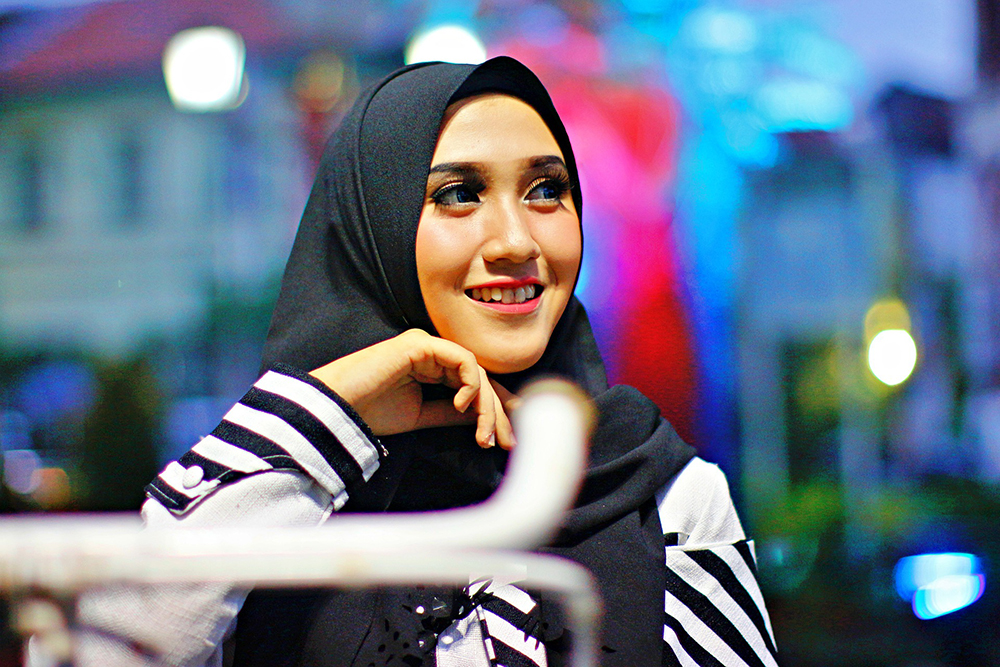
Im Graduiertenkolleg „Resonante Weltbeziehungen“ wird etwa die Verschleierung in „YouTube“-Videos erforscht. Foto: Ratna Fitry from Pixabay

Im Graduiertenkolleg „Resonante Weltbeziehungen“ wird etwa die Verschleierung in „YouTube“-Videos erforscht. Foto: Ratna Fitry - Pixabay

Graduiertenkolleg an den Universitäten Graz und Erfurt verlängert: 4,1 Millionen Euro für NachwuchsforscherInnen

Man fährt mit dem Motorrad auf Pilgerfahrt. Der muslimische Schleier wird zum Lifestyle-Objekt. Und so was wie Fankult gab es schon in der griechischen Antike. Es sind viele, oft religiös motivierte Rituale und Aspekte, die unser Leben ausmachen. Die genauen Hintergründe dafür liegen meist im Verborgenen. Warum dem so ist, damit beschäftigen sich NachwuchsforscherInnen eines internationalen Graduiertenkolleg an den Universitäten Graz und Erfurt.
Das 2017 gestartete Programm zu sozio-religiösen Praktiken in Antike und Gegenwart wird ab 2021 um vier Jahre verlängert. Der österreichische Wissenschaftsfonds (FWF) und die deutsche Forschungsgemeinschaft (DFG) fördern die Zusammenarbeit mit insgesamt 4,1 Millionen Euro.

Die disziplinenübergreifende Kooperation von AltertumswissenschafterInnen, ReligionswissenschafterInnen, TheologInnen, SoziologInnen, MusikwissenschaftlerInnen und HistorikerInnen soll Ergebnisse liefern, die das Zusammenleben verschiedener Kulturen und Religionen erklären und erleichtern sollen. Die Anzahl der derzeit 22 DoktorandInnen an beiden Standorten kann dank der Verlängerung um 18 weitere aufgestockt werden. Zusätzlich finanzieren beide Universitäten bis zu elf Stellen.

Das „nahe Fremde“
„Resonante Weltbeziehungen in sozio-religiösen Praktiken in Antike und Gegenwart“ lautet der vollständige Titel des Graduiertenkollegs. Althistoriker Wolfgang Spickermann, Sprecher des Doktoratsprogramms an der Universität Graz, erklärt: „Unsere resonanten Weltbeziehungen, also die Art, wie wir auf unser Umfeld reagieren, sagt viel über unsere Kultur aus.“
Der Vergleich von Gestern und Heute solle dazu beitragen, aktuelle Praktiken aus der Geschichte heraus zu verstehen, und helfen, seltsam anmutende Rituale der vergangenen Zeit zu rekonstruieren.
Spickermann begründet: „Die Kommunikation von Altertum und Moderne ist gerade deshalb fruchtbar, da es sich bei der mediterranen Antike um das für uns ,nahe Fremde` handelt – ein Kulturraum, der mit unserem zum großen Teil identisch ist. Die zu untersuchenden historischen Prozesse können als abgeschlossen betrachtet und damit in ihrer Entwicklung verfolgt werden.“

>> Mehr erfahren

created by Andreas Schweiger

Related news

Cosmetics in the environment: University of Graz proves danger to ants

Titanium dioxide, which is found in cosmetics, for example, is increasingly entering the environment in the form of nanoparticles. This could also put insects at risk. If ants ingest the substance in combination with the pesticide glyphosate, it disturbs the development of their offspring. Scientists at the University of Graz are drawing attention to the negative consequences of this toxic cocktail.

How are tech companies changing democracy? Uni Graz designs exhibition for schools

Filtered information, conspiracy theories, fake news – certain groups and corporations are using social media and algorithms to try to influence public opinion in their favour. Their goal: to weaken fundamental rights and diversity of opinion and seize power. In a new exhibition, researchers at the University of Graz are working with pupils to explore the impact of social media and AI on democracy. In accompanying workshops, the scientists want to encourage young people to develop their own ideas for a socially and ecologically viable future and to actively help shape it. The exhibition, designed as a travelling exhibition for schools, will open on 9 March 2026 at the Dreihackengasse Gymnasium in Graz.

Religiosität als Lebensmodell

Gabriel Malli erforscht im Graduiertenkolleg „Resonante Weltbeziehungen“ die Verschleierung in deutschsprachigen „YouTube“-Videos

Wenn wir lieben

Raphaela Swadosch erforscht im Graduiertenkolleg „Resonante Weltbeziehungen in sozio-religiösen Praktiken in Antike und Gegenwart“ das Hohelied

Begin of page section:
Additional information:

University of Graz
Universitaetsplatz 3
8010 Graz
Austria
  • Contact
  • Web Editors
  • Moodle
  • UNIGRAZonline
  • Imprint
  • Data Protection Declaration
  • Accessibility Declaration
Weatherstation
Uni Graz

End of this page section. Go to overview of page sections

End of this page section. Go to overview of page sections

Begin of page section:

End of this page section. Go to overview of page sections