Begin of page section:
Page sections:

  • Go to contents (Accesskey 1)
  • Go to position marker (Accesskey 2)
  • Go to main navigation (Accesskey 3)
  • Go to sub navigation (Accesskey 4)
  • Go to additional information (Accesskey 5)
  • Go to page settings (user/language) (Accesskey 8)
  • Go to search (Accesskey 9)

End of this page section. Go to overview of page sections

Begin of page section:
Page settings:

English en
Deutsch de
Search
Login

End of this page section. Go to overview of page sections

Begin of page section:
Search:

Search for details about Uni Graz
Close

End of this page section. Go to overview of page sections


Search

Begin of page section:
Main navigation:

Page navigation:

  • University

    University
    • About the University
    • Organisation
    • Faculties
    • Library
    • Working at University of Graz
    • Campus
    Developing solutions for the world of tomorrow - that is our mission. Our students and our researchers take on the great challenges of society and carry the knowledge out.
  • Research Profile

    Research Profile
    • Our Expertise
    • Research Questions
    • Research Portal
    • Promoting Research
    • Research Transfer
    • Ethics in Research
    • Commission for Scientific Integrity
    Scientific excellence and the courage to break new ground. Research at the University of Graz creates the foundations for making the future worth living.
  • Studies

    Studies
    • Prospective Students
    • Students
  • Community

    Community
    • International
    • Location
    • Research and Business
    • Alumni
    The University of Graz is a hub for international research and brings together scientists and business experts. Moreover, it fosters the exchange and cooperation in study and teaching.
  • Spotlight
Topics
  • Sustainable University
  • Researchers answer
  • Work for us
Close menu

End of this page section. Go to overview of page sections

Begin of page section:
You are here:

University of Graz News Religiosität als Lebensmodell

End of this page section. Go to overview of page sections

Monday, 21 December 2020

Religiosität als Lebensmodell

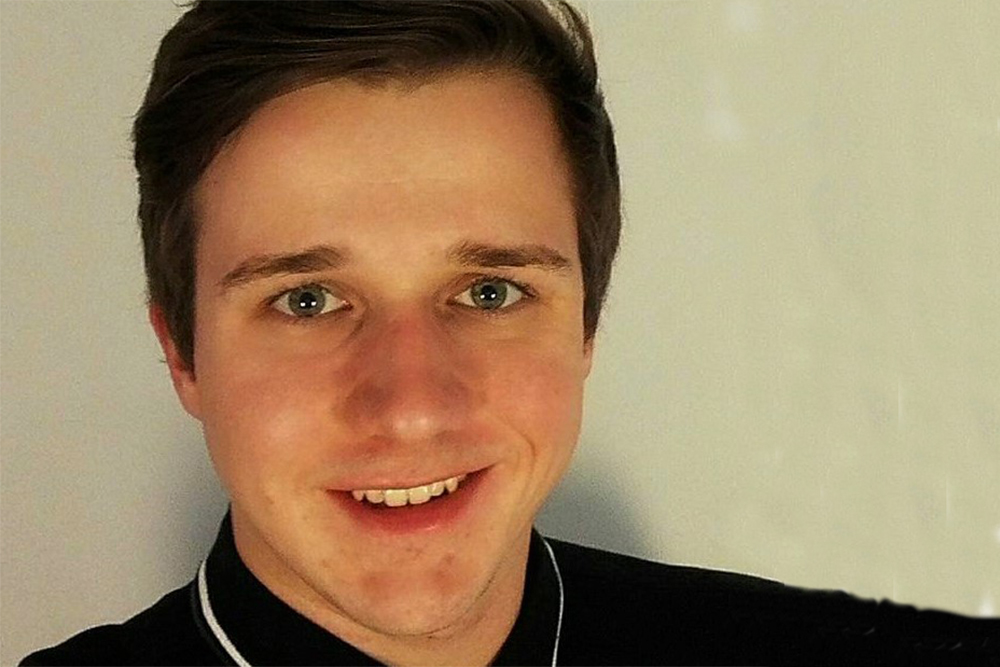
Gabriel Malli beschäftigt sich im Graduiertenkolleg „Resonante Weltbeziehungen“ mit der Verschleierung in „YouTube“-Videos. Foto: Malli

Gabriel Malli beschäftigt sich im Graduiertenkolleg „Resonante Weltbeziehungen“ mit der Verschleierung in „YouTube“-Videos. Foto: Malli

Gabriel Malli erforscht im Graduiertenkolleg „Resonante Weltbeziehungen“ die Verschleierung in deutschsprachigen „YouTube“-Videos

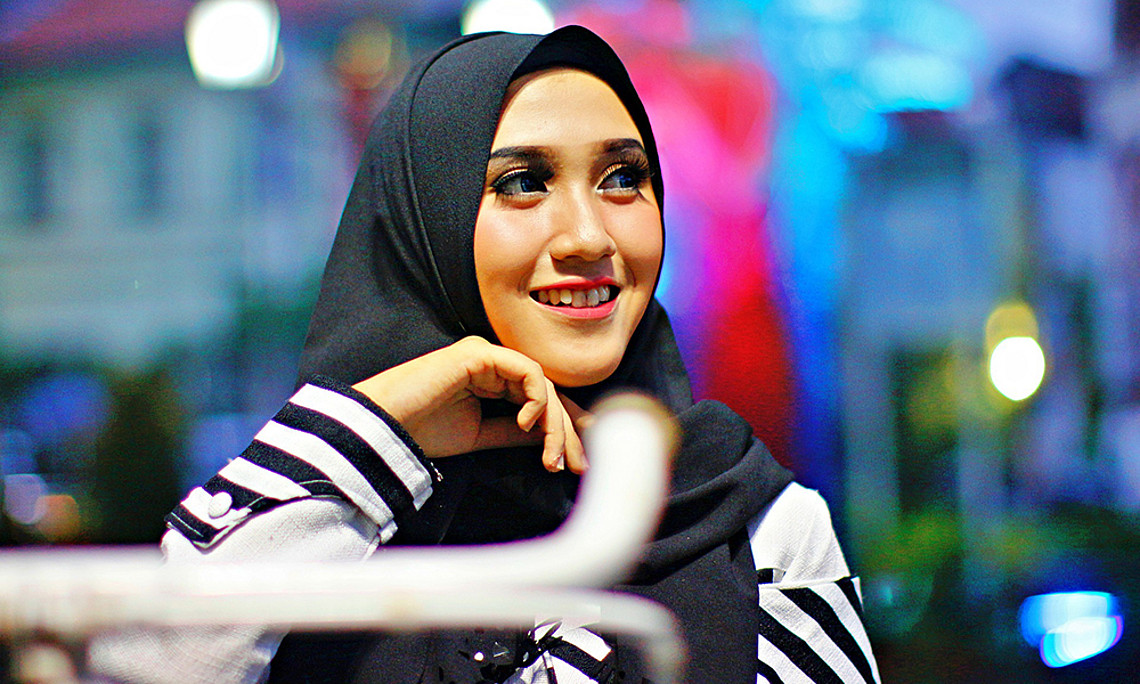
Wie werden die Geschlechterrollen von MuslimInnen auf der Plattform „YouTube“ dargestellt? Das schaut sich Gabriel Malli im Zuge seiner Forschungen an. Speziell die Verschleierung in deutschsprachigen Videos ist im Blickfeld des Soziologen. „Die Clips spiegeln wider, wie sich vor allem junge MuslimInnen in der westlich geprägten Gesellschaft selbst verstehen und mit dem Umfeld in Beziehung treten“, schildert Malli. „Auch in sozialen Medien lässt sich klar erkennen, es gibt nicht nur den einen Islam.“ Das Bild bestimmen Vielfalt und Breite.

Seine Doktorarbeit, die er Ende des kommenden Jahres abschließen will, kann somit zur Debatte zum Islam in Österreich einen aufklärenden Beitrag leisten. Die Vielschichtigkeit müsste man in der Debatte verstärkt thematisieren. Ebenso sollte man akzeptieren, dass gewisse Formen von Religiosität für manche junge Menschen ein attraktives Lebensmodell sind.
„Ein Kopftuch zu tragen, geht nicht immer mit Unterdrückung und Zwang einher“, bestätigt der Doktorand. Das belegen Videos, die muslimische Moralvorstellungen und westlich geprägte Kultur miteinander verbinden. „In erster Linie treten hier Frauen als Influencerinnen auf. Das Spektrum reicht von religiös korrektem Shopping über modisches Kopftuch-Styling bis hin zu Beauty-Tipps.“
Neben diesem Modell hat Gabriel Malli zwei weitere identifiziert, die oft aufeinander Bezug nehmen. Eines umfasst jene Videos, worin etwa Prediger eine strikte Einhaltung der Regeln und Abkehr von westlichen Geschlechterpraktiken verlangen. Im dritten Modell setzten sich die Filme eher kritisch mit strengreligiösen Lebensweisen, aber auch Stereotypen über MuslimInnen auseinander. Malli: „Ein typisches Format sind satirische Produktionen.“


>> Mehr erfahren

created by Andreas Schweiger

Related news

Higher Education Strategy 2040: Austria’s universities on course for the future

Austria has 77 higher education institutions, which is above the EU average – but does this really make sense? The new Higher Education Strategy 2040 focuses on cooperation rather than mergers. As one of the six largest universities in Austria, the University of Graz plays a central role in this.

Climate research in Greenland: Old data provides new insights

The polar explorer and University of Graz professor Alfred Wegener left behind a unique collection of climate data from Greenland. A research team from the University of Graz is now analysing this 100-year-old treasure trove of data and comparing it with current measurements.

Diversity in nature and science: How we talk about plants and each other

Ginkgo, kiwi, hemp: they exist as male and female plants. Anyone who paid attention in biology class will confirm this. But is this categorisation, established by Carl von Linné almost 300 years ago, still valid today? An interdisciplinary team at the University of Graz is questioning these attributions and using this as a starting point to provide food for thought for gender-sensitive interaction between students, scientific and teaching staff.

Antike und Moderne

Graduiertenkolleg an den Universitäten Graz und Erfurt verlängert: 4,1 Millionen Euro für NachwuchsforscherInnen

Begin of page section:
Additional information:

University of Graz
Universitaetsplatz 3
8010 Graz
Austria
  • Contact
  • Web Editors
  • Moodle
  • UNIGRAZonline
  • Imprint
  • Data Protection Declaration
  • Accessibility Declaration
Weatherstation
Uni Graz

End of this page section. Go to overview of page sections

End of this page section. Go to overview of page sections

Begin of page section:

End of this page section. Go to overview of page sections