




Begin of page section:
Page sections:

  • Go to contents (Accesskey 1)
  • Go to position marker (Accesskey 2)
  • Go to main navigation (Accesskey 3)
  • Go to sub navigation (Accesskey 4)
  • Go to additional information (Accesskey 5)
  • Go to page settings (user/language) (Accesskey 8)
  • Go to search (Accesskey 9)

End of this page section. Go to overview of page sections

Begin of page section:
Page settings:

English en
Deutsch de
Search
Login

End of this page section. Go to overview of page sections

Begin of page section:
Search:

Search for details about Uni Graz
Close

End of this page section. Go to overview of page sections


Search

Begin of page section:
Main navigation:

Page navigation:

  • University

    University
    • About the University
    • Organisation
    • Faculties
    • Library
    • Working at University of Graz
    • Campus
    Developing solutions for the world of tomorrow - that is our mission. Our students and our researchers take on the great challenges of society and carry the knowledge out.
  • Research Profile

    Research Profile
    • Our Expertise
    • Research Questions
    • Research Portal
    • Promoting Research
    • Research Transfer
    • Ethics in Research
    • Commission for Scientific Integrity
    Scientific excellence and the courage to break new ground. Research at the University of Graz creates the foundations for making the future worth living.
  • Studies

    Studies
    • Prospective Students
    • Students
  • Community

    Community
    • International
    • Location
    • Research and Business
    • Alumni
    The University of Graz is a hub for international research and brings together scientists and business experts. Moreover, it fosters the exchange and cooperation in study and teaching.
Topics
  • Sustainable University
  • Researchers answer
  • Work for us
Close menu

End of this page section. Go to overview of page sections

Begin of page section:
You are here:

University of Graz News Zeitenwende?

End of this page section. Go to overview of page sections

Friday, 04 March 2022

Zeitenwende?

„Wir befinden uns im Zeitalter der Ungewissheit“, meint Wissenschaftshistoriker Simone De Angelis. Foto: Pete Linforth - Pixabay

„Wir befinden uns im Zeitalter der Ungewissheit“, meint Wissenschaftshistoriker Simone De Angelis. Foto: Pete Linforth - Pixabay

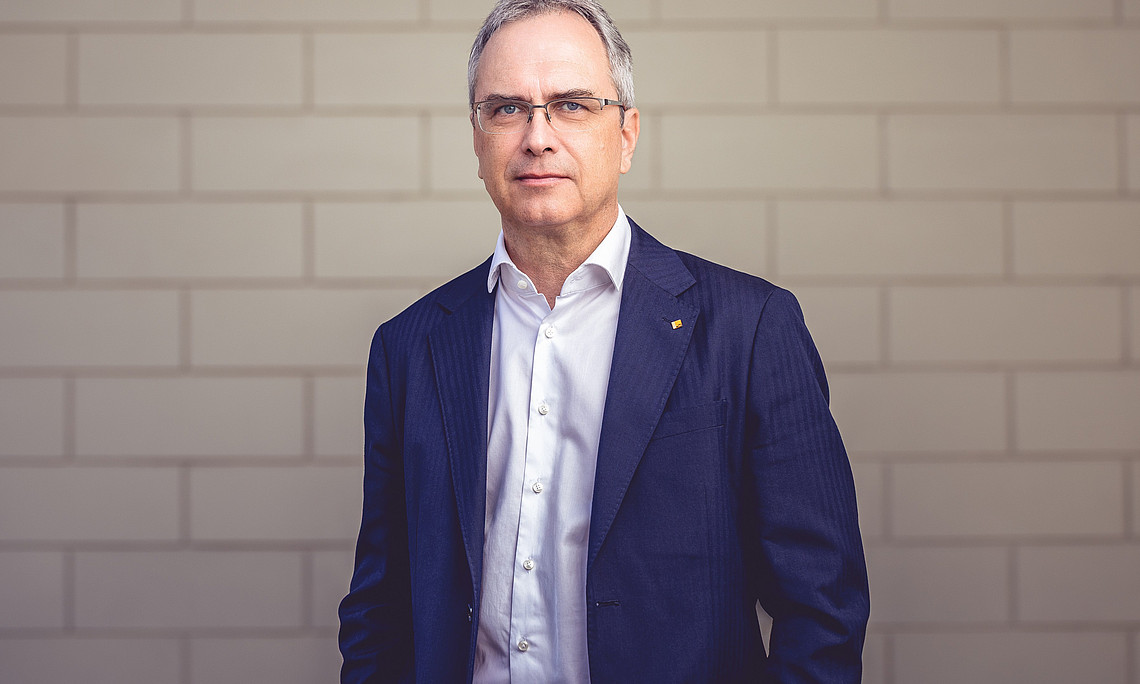
Wann eine neue Epoche beginnt, erklärt Wissenschaftshistoriker Simone De Angelis

Wir erleben eine Zeitenwende. Der deutsche Bundeskanzler Olaf Scholz sowie viele andere PolitikerInnen und JournalistInnen erkennen mit dem Ukraine-Krieg den Beginn einer neuen Ära. „Wir befinden uns im Zeitalter der Ungewissheit“, bestätigt Wissenschaftshistoriker Simone De Angelis.
Denn über viele Jahrzehnte gab es die Sicherheit, dass der Krieg nicht nach Europa zurückkommt. Mittlerweile wird sogar mit der Atombombe gedroht. „Der russische Präsident Vladimir Putin hat eine Maschinerie in Gang gesetzt, die sich so schnell nicht umkehren lässt“, befürchtet De Angelis.

Hat also eine neue historische Epoche begonnen wie etwa nach dem Fall der Berliner Mauer? „Natürlich lässt sich das erst im Nachhinein beurteilen“, erklärt der Wissenschafter. Der Anfang eines neuen Zeitalters ergibt sich oft aus einem Ereignis, das völlig unvorhergesehen eingetreten ist. So etwa die Neuzeit, die mit der Entdeckung Amerikas ihren Anfang nimmt und den Blick auf die Wirklichkeit verändert hat. Auch der Krieg in der Ukraine werde Konsequenzen haben, ist De Angelis überzeugt. Ob dann von einer geschichtlichen Zeit die Rede sein wird, erfordere einen gesellschaftspolitischen Konsens. Er gibt zu bedenken: „Möglicherweise hat diese Zeit der großen Veränderung und der Unsicherheit schon früher begonnen – und zwar mit dem Ausbruch der Pandemie.“

created by Andreas Schweiger

Related news

Open doors for open science: Psychology quartet “GOSI” initiates forum on research practic

Scientific results that are free, accessible and transparent for everyone. The advantages of open science are obvious. And yet, many researchers still feel uncertain and sceptical. A team of young scientists at the University of Graz – the Graz Open Science Initiative (GOSI) – wants to do more than just dispel these doubts. It also wants to highlight weakness and reservation and create a forum for interested people. A project of the Research Careers Campus is supporting the initiative of the four psychologists.

#SaveOurUniversities #StopTheAusterity: Demonstration on 28 May in Graz

The Austrian Student Union and the universities are jointly calling for large rallies. The meeting point in Graz is on 28 May at 2 pm on Wilhelm-Fischer-Allee.

Graz to become centre for psychotherapy studies: 215 applications for the entrance exam

A total of 215 people who meet the entry requirements for the new Master’s programme in Psychotherapy have registered for the first entrance examination, which will take place on 6 July 2026 in Graz. They are applying for 140 places on the programme in Graz.

Between Myth and Crisis: The Hidden Stories of Rivers

Rivers connect landscapes, cities, people and identities. They form trade routes, preserve memories and mark boundaries. They shape the environment and provide habitats. At the same time, they lie at the heart of ecological, political and social crises. This is precisely where the “RIVERS IN CRISIS” research project at the Institute of Slavic Studies comes in

Begin of page section:
Additional information:

University of Graz
Universitaetsplatz 3
8010 Graz
Austria
  • Contact
  • Web Editors
  • Moodle
  • UNIGRAZonline
  • Imprint
  • Data Protection Declaration
  • Accessibility Declaration
Weatherstation
Uni Graz

End of this page section. Go to overview of page sections

End of this page section. Go to overview of page sections

Begin of page section:

End of this page section. Go to overview of page sections

