Begin of page section:
Page sections:

  • Go to contents (Accesskey 1)
  • Go to position marker (Accesskey 2)
  • Go to main navigation (Accesskey 3)
  • Go to sub navigation (Accesskey 4)
  • Go to additional information (Accesskey 5)
  • Go to page settings (user/language) (Accesskey 8)
  • Go to search (Accesskey 9)

End of this page section. Go to overview of page sections

Begin of page section:
Page settings:

English en
Deutsch de
Search
Login

End of this page section. Go to overview of page sections

Begin of page section:
Search:

Search for details about Uni Graz
Close

End of this page section. Go to overview of page sections


Search

Begin of page section:
Main navigation:

Page navigation:

  • University

    University
    • About the University
    • Organisation
    • Faculties
    • Library
    • Working at University of Graz
    • Campus
    Developing solutions for the world of tomorrow - that is our mission. Our students and our researchers take on the great challenges of society and carry the knowledge out.
  • Research Profile

    Research Profile
    • Our Expertise
    • Research Questions
    • Research Portal
    • Promoting Research
    • Research Transfer
    • Ethics in Research
    • Commission for Scientific Integrity
    Scientific excellence and the courage to break new ground. Research at the University of Graz creates the foundations for making the future worth living.
  • Studies

    Studies
    • Prospective Students
    • Students
    • Registration for Study Programme (Winter semester 2026/27)
    • Study Days 22-26 June 2026
  • Community

    Community
    • International
    • Location
    • Research and Business
    • Alumni
    The University of Graz is a hub for international research and brings together scientists and business experts. Moreover, it fosters the exchange and cooperation in study and teaching.
Topics
  • Sustainable University
  • Researchers answer
  • Work for us
Close menu

End of this page section. Go to overview of page sections

Begin of page section:
You are here:

University of Graz News Vor Gericht

End of this page section. Go to overview of page sections

Thursday, 29 June 2017

Vor Gericht

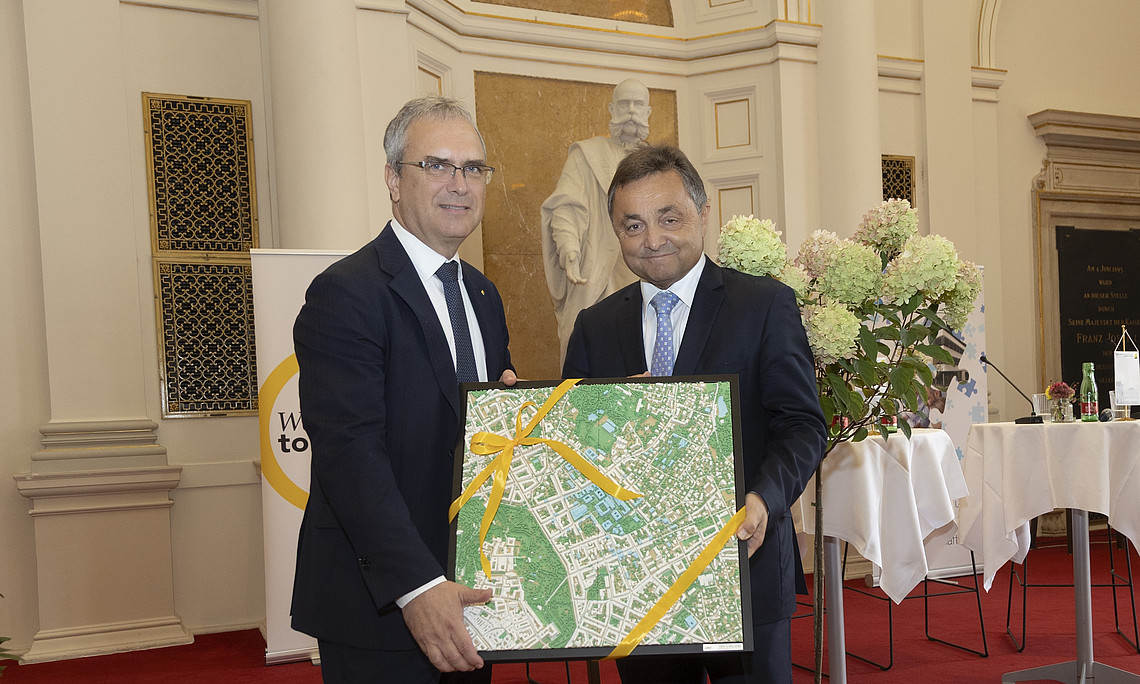
Premiere der Wirtschafts- und umweltrechtlichen Gespräche, einer neuen Veranstaltungsreihe der REWI-Fakultät der Uni Graz und der WKO Steiermark. Foto: WKO Steiermark

Premiere der Wirtschafts- und umweltrechtlichen Gespräche, einer neuen Veranstaltungsreihe der REWI-Fakultät der Uni Graz und der WKO Steiermark. Foto: WKO Steiermark

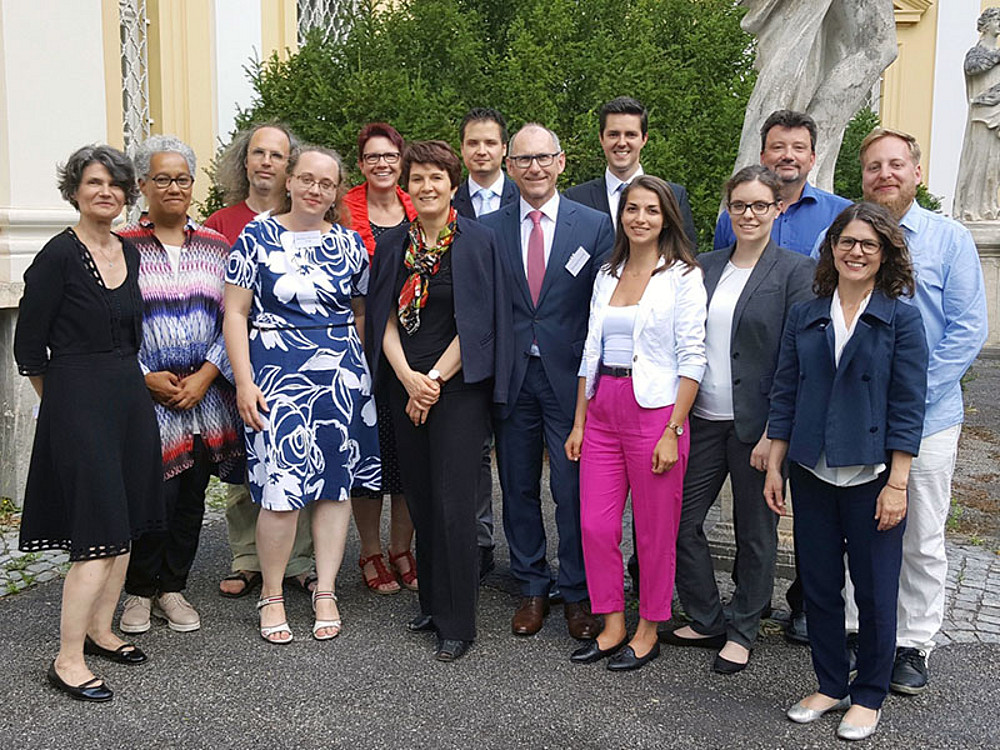
Das Team des 3. Grazer Umweltrechtsforum. Foto: privat

Das Team des 3. Grazer Umweltrechtsforum: Marlies Meyer, Verena Madner, Wolfgang Rehm, Barbara Weichsel-Goby, Ute Pöllinger, Eva Schulev-Steindl, Christoph Romirer, Gerhard Schnedl, Dominik Geringer, Sanela Smlatic, Miriam Karl, Matthias Sauer, Anna Muner-Bretter, Gregor Schamschula (v.l.). Foto: privat

ExpertInnen diskutierten Beteiligung von Bürgerinitiativen und NGOs in Umweltverfahren

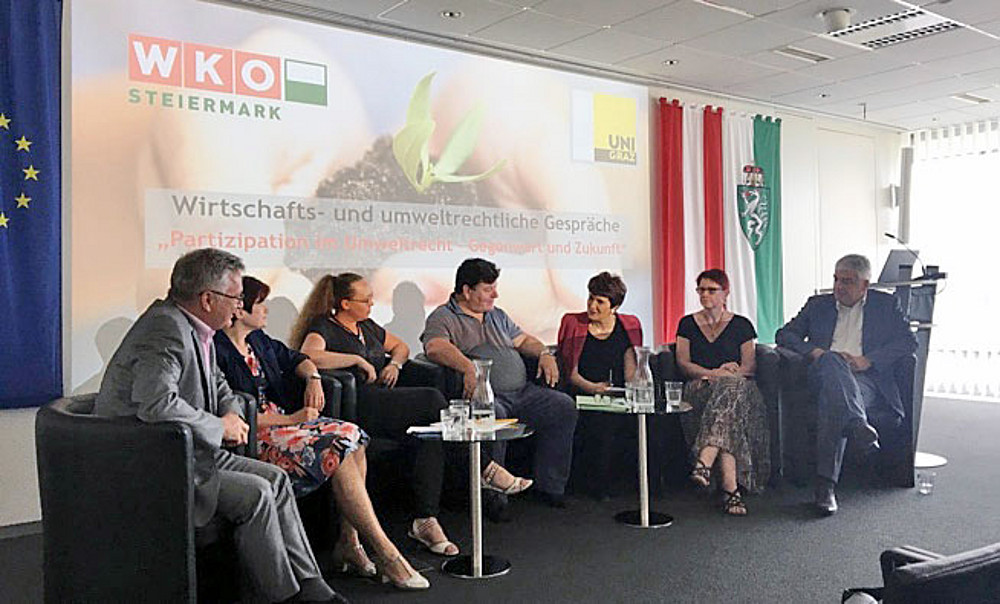
Mit einem brandaktuellen Thema starteten am 21. Juni 2017 die Wirtschafts- und umweltrechtlichen Gespräche, eine neue Veranstaltungsreihe der Rechtswissenschaftlichen (REWI) Fakultät der Universität Graz in Kooperation mit der Wirtschaftskammer Steiermark. Am Beispiel des nach wie vor anhaltenden Streits um das Grazer Murkraftwerk wurde über Möglichkeiten und Grenzen der Partizipation von Bürgerinitiativen und NGOs in Umweltverfahren diskutiert.

Die Aarhus-Konvention, die von allen EU-Mitgliedstaaten und von der Europäischen Union unterzeichnet wurde, fordert im Falle von Verstößen gegen das Umweltrecht, dass BürgerInnen und NGOs ihre Ansprüche auf den Schutz ihrer Lebensräume vor Gericht einklagen können. Eine Forderung, die nicht nur auf Zustimmung stößt. So waren auch bei den Wirtschafts- und umweltrechtlichen Gesprächen die Standpunkte kontrovers: Einerseits führe Bürgerbeteiligung in der Praxis nicht zur erhofften Akzeptanz von Infrastrukturprojekten und würden Projekte auch nach rechtskräftiger Genehmigung in Frage gestellt, wie gerade das Murkraftwerk zeige. Andererseits sei Österreich bei der Umsetzung der Aarhus-Konvention und deren Beteiligungsrechten europaweit eines der „Schlusslichter“ und müsse den Bürgern und Bürgerinnen vermehrt auf Augenhöhe begegnet werden.

Nach der Begrüßung durch KR Friedrich Hinterschweiger von der WKO Steiermark und REWI-Dekan Stefan Storr folgten einleitende Impulsstatements von Mag. Thomas Alge (Ökobüro) und Rechtswanwalt Univ.-Prof. Dr. Georg Eisenberger (Uni Graz). Am Podium diskutierten unter der Moderation von Univ.-Prof. Dr. Eva Schulev-Steindl (Uni Graz) Rechtsanwalt Dr. Wilhelm Bergthaler (Haslinger/Nagele & Partner), Dr. Josef Kranz (Energie Steiermark), Dr. Waltraud Petek (BMLFUW), MMag. Ute Pöllinger (Landesumweltanwältin Steiermark), Univ.-Doz. Dr. Stephan Schwarzer (WKO) und Dr. Barbara Weichsel-Goby (Umweltdachverband).

3. Grazer Umweltrechtsforum

Eine wissenschaftliche Vertiefung erfuhr das Thema der Beteiligung von Bürgerinitiativen und NGOs in Umweltverfahren auf Basis der Aarhus-Konvention am darauffolgenden Tag beim 3. Grazer Umweltrechtsforum unter der Leitung von Eva Schulev-Steindl, Ass.-Prof. Dr. Gerhard Schnedl (Uni Graz) und Barbara Weichsel-Goby. Auf dem Programm der Veranstaltung mit internationaler Beteiligung standen Vorträge und Präsentationen zu aktuellen Entwicklungen, unter anderem die Vorstellung der Ergebnisse eines Projekts zum „Aarhus Convention Capacity Building“ unter der Leitung von Eva Schulev-Steindl und Barbara Weichsel-Goby.
Das Projekt soll für die Anliegen der Konvention – Information, Partizipation und Zugang zu Gerichten in Umweltsachen – sensibilisieren. Dazu wurde unter anderem die Environmental Law Clinic an der Uni Graz ins Leben gerufen. Über drei Semester bot sie Studierenden die Möglichkeit, Fälle aus der Umweltrechtspraxis auf Seiten der NGOs juristisch „pro bono“, also zum Wohle der Öffentlichkeit, zu begleiten. Die Leitung und Betreuung der Studierenden lagen bei Schulev-Steindl und Mag. Miriam Karl.

Abgerundet wurde die Tagung unter anderem durch Erfahrungsberichte von NGOs, Umweltanwaltschaften und Bürgerinitiativen, eine Diskussion möglicher, verbesserter Umsetzungsmaßnahmen für Österreich und einen Überblick über aktuelle Entwicklungen auf EU-Ebene.
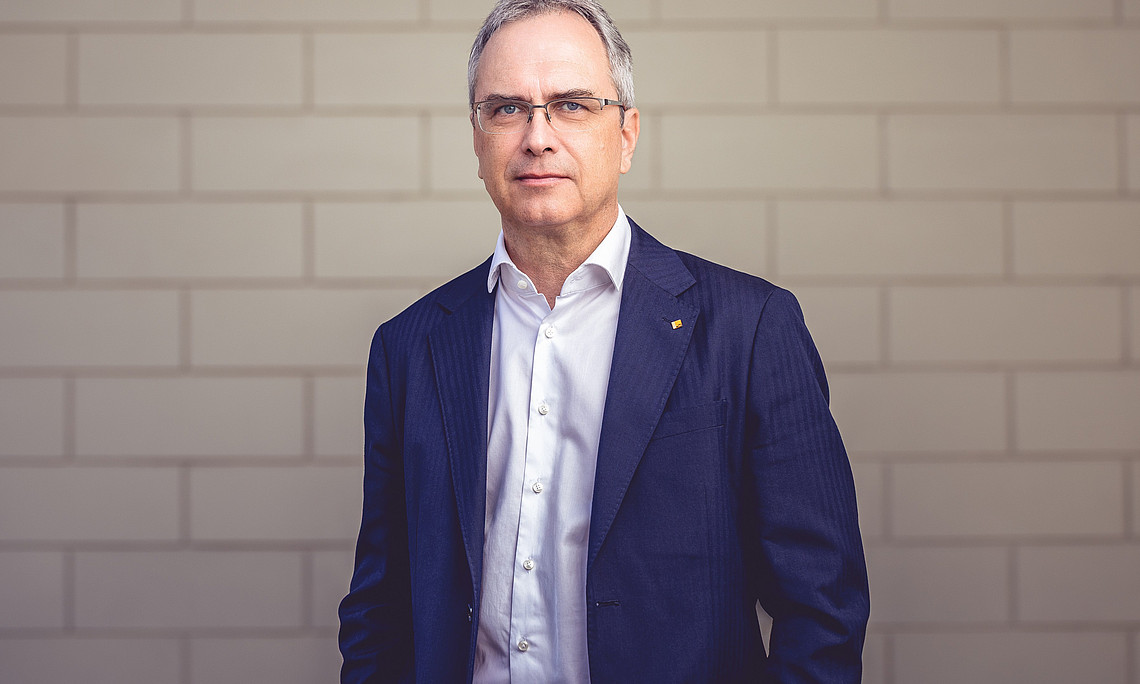

created by Gerhard Schnedl, Eva Schulev-Steindl und Gudrun Pichler

Related news

Full effort in the heat: the Sports Centre was in full swing at the Kleeblattlauf

On 19 June 2026, 2,000 runners and hundreds of supporters made their way to the Rosenhain for a sporting end-of-term event.

Save, invest or guarantee: What Austrians expect from the state

Austria needs to make savings. But where? And what should the Republic actually be spending its money on? The answers are provided by the initial findings of a major study involving the University of Graz. 99 per cent of those surveyed are in favour of the state ensuring healthcare provision. Almost three-quarters would like to see more public funding for education, whilst only around three per cent are in favour of cuts in this sector.

Complying with the norm: Why Do Standards Shape Our Lives, Elisabeth Staudegger?

Standards determine whether a sheet of paper fits in a printer or whether a charging plug can power multiple devices. These standards shape our everyday lives. But who actually sets these standards? Where are the weaknesses, and how could science help to improve them? Elisabeth Staudegger, Head of the ‘Law and IT’ Department at the Institute for Legal Foundations at the University of Graz, host the Academic Standards Day on 16 June. Here she relays how sciences can contribute to the topic of standardisation and reveals her personal favourite standard.

More body awareness than a culture war

In Italy, sex education lessons will in future only be permitted with parental consent, and will be banned entirely in nurseries and primary schools. At the same time, Pride Month highlights why knowledge about the body, relationships, boundaries and diversity is important for young people. A study by the University of Graz shows how important knowledge about the body, contraception, relationship skills and protection against violence is

Begin of page section:
Additional information:

University of Graz
Universitaetsplatz 3
8010 Graz
Austria
  • Contact
  • Web Editors
  • Moodle
  • UNIGRAZonline
  • Imprint
  • Data Protection Declaration
  • Accessibility Declaration
Weatherstation
Uni Graz

End of this page section. Go to overview of page sections

End of this page section. Go to overview of page sections

Begin of page section:

End of this page section. Go to overview of page sections