



Begin of page section:
Page sections:

  • Go to contents (Accesskey 1)
  • Go to position marker (Accesskey 2)
  • Go to main navigation (Accesskey 3)
  • Go to sub navigation (Accesskey 4)
  • Go to additional information (Accesskey 5)
  • Go to page settings (user/language) (Accesskey 8)
  • Go to search (Accesskey 9)

End of this page section. Go to overview of page sections

Begin of page section:
Page settings:

English en
Deutsch de
Search
Login

End of this page section. Go to overview of page sections

Begin of page section:
Search:

Search for details about Uni Graz
Close

End of this page section. Go to overview of page sections


Search

Begin of page section:
Main navigation:

Page navigation:

  • University

    University
    • About the University
    • Organisation
    • Faculties
    • Library
    • Working at University of Graz
    • Campus
    Developing solutions for the world of tomorrow - that is our mission. Our students and our researchers take on the great challenges of society and carry the knowledge out.
  • Research Profile

    Research Profile
    • Our Expertise
    • Research Questions
    • Research Portal
    • Promoting Research
    • Research Transfer
    • Ethics in Research
    • Commission for Scientific Integrity
    Scientific excellence and the courage to break new ground. Research at the University of Graz creates the foundations for making the future worth living.
  • Studies

    Studies
    • Prospective Students
    • Students
    • Post-registration Law
  • Community

    Community
    • International
    • Location
    • Research and Business
    • Alumni
    The University of Graz is a hub for international research and brings together scientists and business experts. Moreover, it fosters the exchange and cooperation in study and teaching.
Topics
  • Sustainable University
  • Researchers answer
  • Work for us
Close menu

End of this page section. Go to overview of page sections

Begin of page section:
You are here:

University of Graz News Von wegen sprachlos! Wie Pandemie und KI das Lernen und Lehren von Sprachen weiterentwickeln

End of this page section. Go to overview of page sections

Wednesday, 26 July 2023

Von wegen sprachlos! Wie Pandemie und KI das Lernen und Lehren von Sprachen weiterentwickeln

Gruppe mit Flaggen

Online-Angebote, Künstliche Intelligenz und demographischer Wandel verädnern das Sprachenlernen. Foto: Drobot Dean - stock.adobe.com

„Sprache ist ein sozialer Eisbrecher“ – daher zieht es Studierende und andere Erwachsene vermehrt in Sprachkurse in Präsenz, bestätigt Daniela Unger Ullmann vom treffpunkt sprachen – Zentrum für Sprache, Plurilingualismus und Fachdidaktik. Natürlich hat die Pandemie auch das Sprachenlernen verändert, Künstliche Intelligenz und demographischer Wandel werden‘s weiter tun.

Der Alltag beeinflusst unsere Sprache, ebenso das Sprachenlernen. So hat die Online-Offensive ihre Spuren hinterlassen, auch wenn Präsenzlehre wieder vorherrscht, wie Daniela Unger Ullmann bekräftigt. „Wir können viele Werkzeuge, die entwickelt wurden, gut nachnutzen und weiterführen“, schildert die langjährige Leiterin von treffpunkt sprachen – Zentrum für Sprache, Plurilingualismus und Fachdidaktik an der Universität Graz. „Die Ausbildung wird interaktiver“, nennt Unger-Ullmann einen Vorteil. Sie hat zum Beispiel in ihren Unterricht in Deutsch als Fremdsprache ein Tool integriert, mit dem sich internationale Teilnehmer:innen anhand einer digitalen Weltkarte vorstellen.

Kompetenz kontra KI

Der Einsatz Künstlicher Intelligenz wird weitere Kreise nach sich ziehen, ist Unger-Ullmann überzeugt. Weniger mit negativen Auswirkungen auf die Sprachausbildung, „denn eine fundierte Sprachkompetenz wird umso mehr benötigt, um automatisiert übersetzte Texte zu überprüfen“. KI für sich nutzen, ist ihr Credo – es kann das Lernen abwechslungsreicher, das Lehren in der Vorbereitung einfacher gestalten. Wie, erklären etwa kostenlose Webinare des Verbandes universitärer Sprachenzentren und -institutionen in Österreich, dessen stellvertretende Obfrau Daniela Unger-Ullmann ist.
Der demographische Wandel wirkt sich ebenso beim Sprachenlernen aus, da sich die Altersbandbreite und Zusammensetzung der Teilnehmer:innen deutlich erweitert. „Mit einem großen Mehrwert“, ist Unger-Ullmann überzeugt. „Denn Sprache ist ein sozialer Eisbrecher. So lernen die unterschiedlichen Generationen in der Persönlichkeitsentwicklung voneinander.“

Expertise in Bildung und Buchform

Aktuellen Entwicklungen begegnet die zweisemestrige Modulreihe „Sprachenlernen mit Erwachsenen“, die treffpunkt sprachen für Studierende und Lehrende der Uni Graz als Zusatz- und Weiterbildung im Programm hat. Ebenso der druckfrische Sammelband „Sprachenlernen mit Erwachsenen II. Heterogenität und didaktische Dimensionen“. Darin sind acht Abschlussarbeiten der genannten Modulreihe veröffentlicht. Das Buch ist im Leykamverlag erschienen.
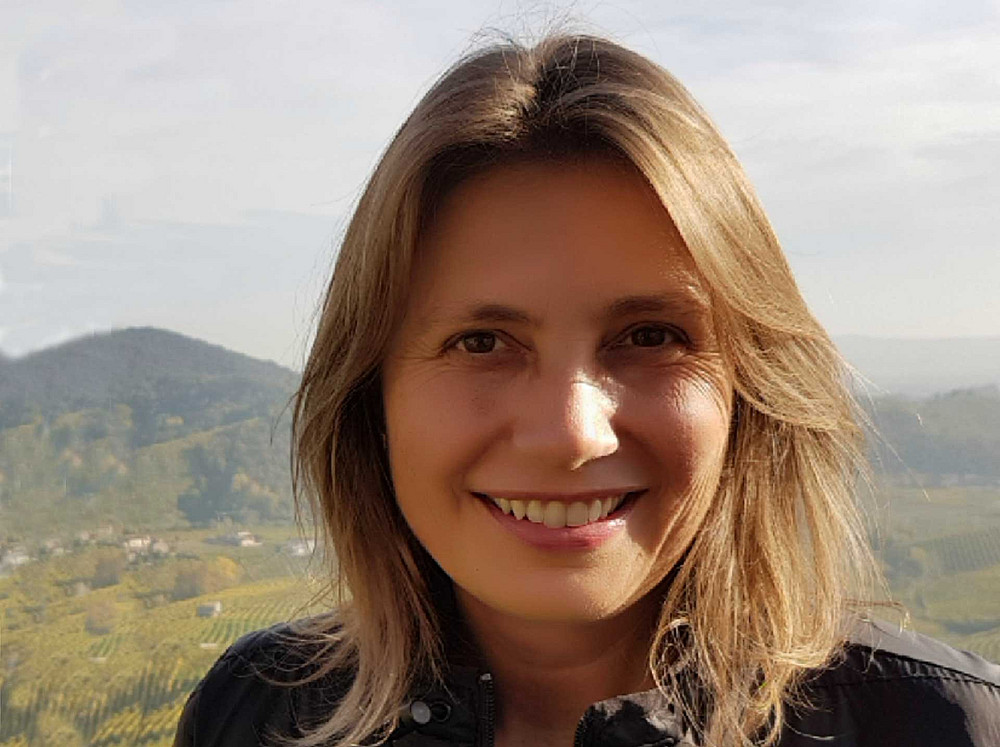
 

Daniela Unger-Ullmann
Daniela Unger-Ullmann leitet treffpunkt sprachen – Zentrum für Sprache, Plurilingualismus und Fachdidaktik. Foto: Unger-Ullmann
created by Andreas Schweiger

Related news

Record of reported species: Styria wins the global City Nature Challenge

Observers in Styria recorded 4,660 different animals, plants and fungi as part of the international City Nature Challenge between 24 and 27 April 2026. This saw the region take first place in the "species" category. Ostrava in the Czech Republic made the most observations, with just under 140,000, whilst the San Francisco Bay Area had the highest number of participants, namely 3,019.

Studying at the University of Graz: How to enrol

Ready for a new chapter in your life with the start of your studies at the University of Graz in the winter semester 2026/27? Here you will find information on deadlines, admission procedures, registration, and everything else you need to successfully start your studies in the fall.

Europe Day: Strengthening international expertise with Arqus

On 9 May, the spotlight will be on Europe. At the University of Graz, European cooperation is also a tangible part of everyday student life – not least through the Arqus university alliance. Master’s and PhD students can currently register for the Arqus micro-credential in ‘Advanced Creative Thinking and Communication’.

A substantial community: the key role of soil crusts in the earth system

They are often overshadowed by the plant world: lichens, fungi, mosses and bacteria, which form unique communities on rocks and trees or as soil crusts. Bettina Weber from the University of Graz is bringing this biological alliance into the research spotlight. Her research shows that these communities form an essential part of the Earth’s critical zone and play a key role in the interactions between land and atmosphere. Bettina Weber was honoured by the European Geosciences Union for her groundbreaking research at the beginning of May.

Begin of page section:
Additional information:

University of Graz
Universitaetsplatz 3
8010 Graz
Austria
  • Contact
  • Web Editors
  • Moodle
  • UNIGRAZonline
  • Imprint
  • Data Protection Declaration
  • Accessibility Declaration
Weatherstation
Uni Graz

End of this page section. Go to overview of page sections

End of this page section. Go to overview of page sections

Begin of page section:

End of this page section. Go to overview of page sections