



Begin of page section:
Page sections:

  • Go to contents (Accesskey 1)
  • Go to position marker (Accesskey 2)
  • Go to main navigation (Accesskey 3)
  • Go to sub navigation (Accesskey 4)
  • Go to additional information (Accesskey 5)
  • Go to page settings (user/language) (Accesskey 8)
  • Go to search (Accesskey 9)

End of this page section. Go to overview of page sections

Begin of page section:
Page settings:

English en
Deutsch de
Search
Login

End of this page section. Go to overview of page sections

Begin of page section:
Search:

Search for details about Uni Graz
Close

End of this page section. Go to overview of page sections


Search

Begin of page section:
Main navigation:

Page navigation:

  • University

    University
    • About the University
    • Organisation
    • Faculties
    • Library
    • Working at University of Graz
    • Campus
    Developing solutions for the world of tomorrow - that is our mission. Our students and our researchers take on the great challenges of society and carry the knowledge out.
  • Research Profile

    Research Profile
    • Our Expertise
    • Research Questions
    • Research Portal
    • Promoting Research
    • Research Transfer
    • Ethics in Research
    • Commission for Scientific Integrity
    Scientific excellence and the courage to break new ground. Research at the University of Graz creates the foundations for making the future worth living.
  • Studies

    Studies
    • Prospective Students
    • Students
    • Registration for Study Programme (Winter semester 2026/27)
    • Study Days 22-26 June 2026
  • Community

    Community
    • International
    • Location
    • Research and Business
    • Alumni
    The University of Graz is a hub for international research and brings together scientists and business experts. Moreover, it fosters the exchange and cooperation in study and teaching.
Topics
  • Sustainable University
  • Researchers answer
  • Work for us
Close menu

End of this page section. Go to overview of page sections

Begin of page section:
You are here:

University of Graz News Von oben

End of this page section. Go to overview of page sections

Thursday, 15 September 2022

Von oben

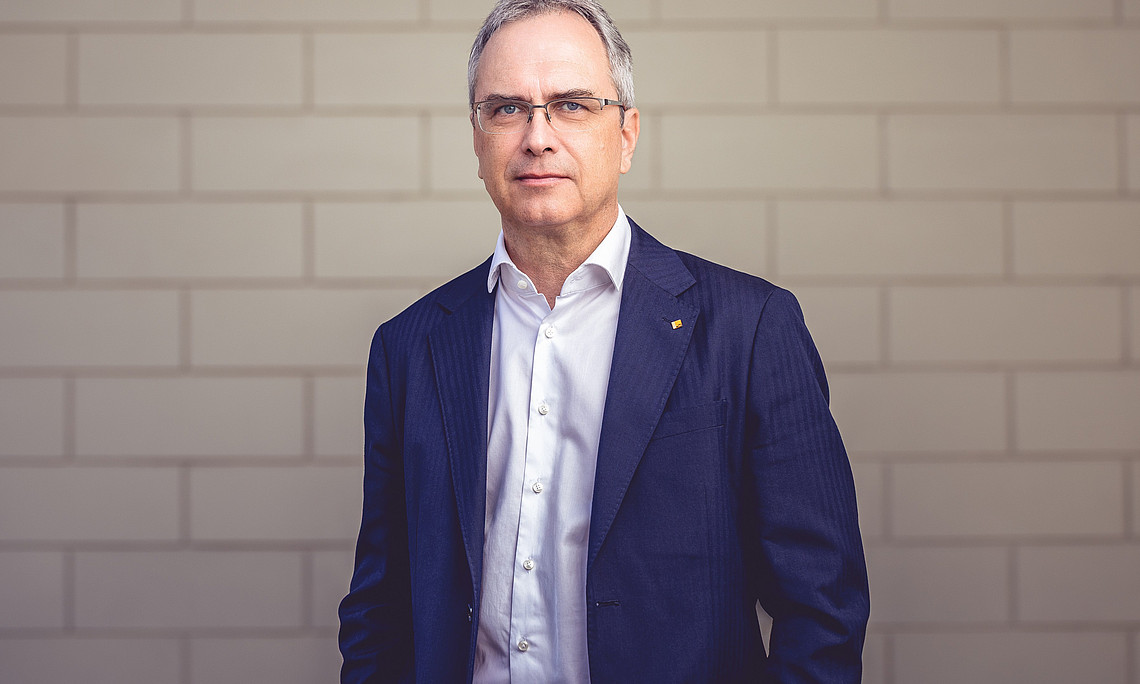
Wolfgang Göderle (links) und Fabian Rampetsreiter arbeiten an einer intelligenten Methode zur Erkundung längst verschwundener Stätten. Foto: Uni Graz/Tzivanopoulos ©Uni Graz/Tzivanopoulos

Wolfgang Göderle (links) und Fabian Rampetsreiter arbeiten an einer intelligenten Methode zur Erkundung längst verschwundener Stätten. Foto: Uni Graz/Tzivanopoulos

Künstliche Intelligenz soll archäologisch-wertvolle Gebiete aufspüren

Wolfgang Göderle und Fabian Rampetsreiter wollen die Geschichte über die Oberfläche der Erde lesen. Die beiden Historiker sind in Kooperation mit dem KnowCenter der TU Graz dabei eine Methode zu entwickeln, die es erlaubt, mittels KI-gestützter Algorithmen in Satelliten-Aufnahmen alte Gebäude und Siedlungen, Flussverläufe oder auch sonstige Fragmente menschlicher Aktivitäten aufzuspüren. Das Verfahren soll vor allem ArchäologInnen bei der Erkundung neuer Grabungsorte unterstützen. Das Projekt „RePaSe – Reading the Past from the Surface of the Earth“ wird vom FWF-Wissenschaftsfonds Österreich finanziell unterstützt.

„In Katasterkarten, die vor rund 200 Jahren aufwändig erstellt wurden, sind zum Beispiel alte Höfe eingezeichnet, die heute nicht mehr existieren, die Grundmauern aber von oben leicht zu erkennen sind“, erklärt Wolfgang Göderle. „Wir nehmen diese historischen Karten und kombinieren sie mit aktuellen Satellitenbildern aus dem Kartenmaterial der freizugänglichen Plattform Openstreetmaps“, führt Fabian Rampetsreiter aus. Der Clou besteht darin, eine Künstliche Intelligenz zu entwickeln, die eigenständig neuronale Muster erkennt, um interessante Orte automatisch zu lokalisieren. Oftmals komme es vor, dass LandwirtInnen bei der Bestellung ihrer Äcker plötzlich auf Grundmauern römischer Siedlungen stoßen, so die Wissenschafter. ArchäologInnen durchkämmen die Gebiete dann mit teurer und aufwändiger Technik, wie etwa dem Bodenradar. „Unser Verfahren, das kostenlos zur Verfügung stehen soll, könnte die Arbeit erleichtern und Kosten senken“, weiß Rampetsreiter.

Als „Prototyp“ für ihr Vorhaben betrachten die Historiker den Raum Steiermark und Unterkärnten, da es hier gut dokumentiertes und zugängliches Material gibt. Ist der Algorithmus dann mit Daten gefüttert und das neuronale Netzwerk hergestellt, wollen sie in einem nächsten Schritt andere Länder und Orte erkunden. Im Idealfall soll die Software dann überall auf der Welt einsetzbar sein. „Was für ArchäologInnen sehr nützlich sein kann, ist natürlich auch für Grabräuber interessant“, sagt Göderle. Um unbefugten Zugang und Ausbeutung historischer Stätten zu verhindern, soll die Webplattform passwortgeschützt, die Nutzung und Registrierung für WissenschafterInnen aber kostenfrei sein.


Mehr Informationen unter: repase.uni-graz.at/de/ 
created by Konstantin Tzivanopoulos

Related news

Full effort in the heat: the Sports Centre was in full swing at the Kleeblattlauf

On 19 June 2026, 2,000 runners and hundreds of supporters made their way to the Rosenhain for a sporting end-of-term event.

Save, invest or guarantee: What Austrians expect from the state

Austria needs to make savings. But where? And what should the Republic actually be spending its money on? The answers are provided by the initial findings of a major study involving the University of Graz. 99 per cent of those surveyed are in favour of the state ensuring healthcare provision. Almost three-quarters would like to see more public funding for education, whilst only around three per cent are in favour of cuts in this sector.

Complying with the norm: Why Do Standards Shape Our Lives, Elisabeth Staudegger?

Standards determine whether a sheet of paper fits in a printer or whether a charging plug can power multiple devices. These standards shape our everyday lives. But who actually sets these standards? Where are the weaknesses, and how could science help to improve them? Elisabeth Staudegger, Head of the ‘Law and IT’ Department at the Institute for Legal Foundations at the University of Graz, host the Academic Standards Day on 16 June. Here she relays how sciences can contribute to the topic of standardisation and reveals her personal favourite standard.

More body awareness than a culture war

In Italy, sex education lessons will in future only be permitted with parental consent, and will be banned entirely in nurseries and primary schools. At the same time, Pride Month highlights why knowledge about the body, relationships, boundaries and diversity is important for young people. A study by the University of Graz shows how important knowledge about the body, contraception, relationship skills and protection against violence is

Begin of page section:
Additional information:

University of Graz
Universitaetsplatz 3
8010 Graz
Austria
  • Contact
  • Web Editors
  • Moodle
  • UNIGRAZonline
  • Imprint
  • Data Protection Declaration
  • Accessibility Declaration
Weatherstation
Uni Graz

End of this page section. Go to overview of page sections

End of this page section. Go to overview of page sections

Begin of page section:

End of this page section. Go to overview of page sections


