



Begin of page section:
Page sections:

  • Go to contents (Accesskey 1)
  • Go to position marker (Accesskey 2)
  • Go to main navigation (Accesskey 3)
  • Go to sub navigation (Accesskey 4)
  • Go to additional information (Accesskey 5)
  • Go to page settings (user/language) (Accesskey 8)
  • Go to search (Accesskey 9)

End of this page section. Go to overview of page sections

Begin of page section:
Page settings:

English en
Deutsch de
Search
Login

End of this page section. Go to overview of page sections

Begin of page section:
Search:

Search for details about Uni Graz
Close

End of this page section. Go to overview of page sections


Search

Begin of page section:
Main navigation:

Page navigation:

  • University

    University
    • About the University
    • Organisation
    • Faculties
    • Library
    • Working at University of Graz
    • Campus
    Developing solutions for the world of tomorrow - that is our mission. Our students and our researchers take on the great challenges of society and carry the knowledge out.
  • Research Profile

    Research Profile
    • Our Expertise
    • Research Questions
    • Research Portal
    • Promoting Research
    • Research Transfer
    • Ethics in Research
    • Commission for Scientific Integrity
    Scientific excellence and the courage to break new ground. Research at the University of Graz creates the foundations for making the future worth living.
  • Studies

    Studies
    • Prospective Students
    • Students
    • Welcome Weeks for First Year Students
  • Community

    Community
    • International
    • Location
    • Research and Business
    • Alumni
    The University of Graz is a hub for international research and brings together scientists and business experts. Moreover, it fosters the exchange and cooperation in study and teaching.
Topics
  • Sustainable University
  • Researchers answer
  • Work for us
Close menu

End of this page section. Go to overview of page sections

Begin of page section:
You are here:

University of Graz News Armer Reichtum

End of this page section. Go to overview of page sections

Friday, 31 March 2023

Armer Reichtum

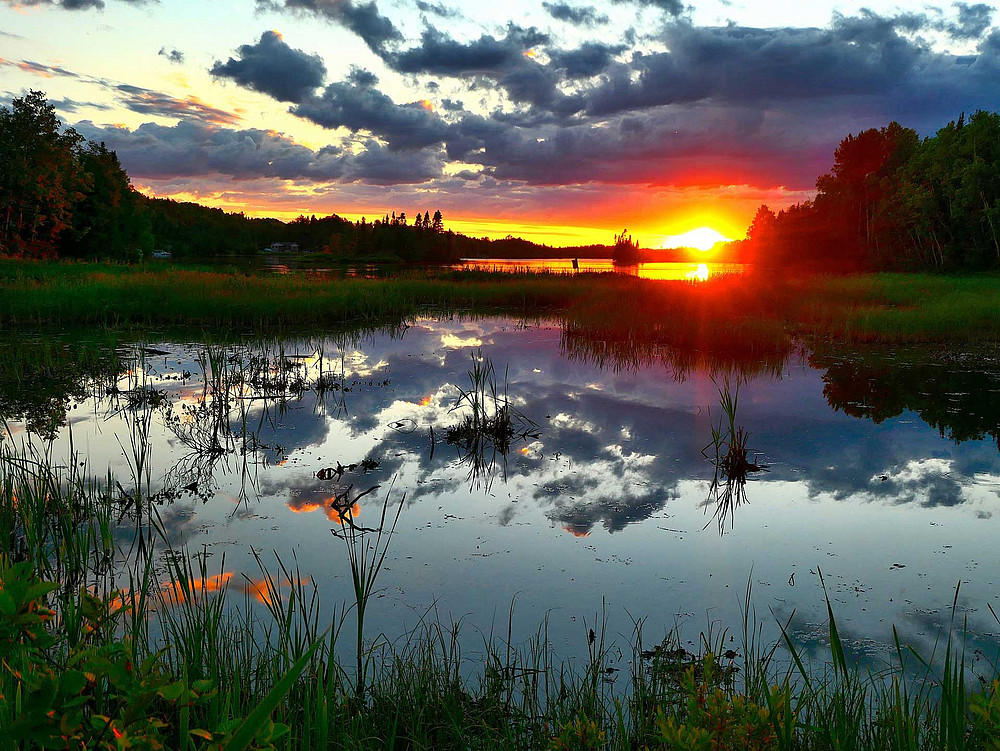
Teich im Wald bei Sonnenuntergang

Die Idylle trügt. Viele Tier- und Pflanzenarten sind massiv bedroht, warnt Biologe Christian Sturmbauer. Foto: Alain Audet - pixabay

Jede dritte Tier-, Pflanzen- und Pilzart ist in Österreich in Gefahr, warnt Biologe Christian Sturmbauer

Wir stehen an einer Zeitenwende. Weltpolitisch und klimatisch. Auch in der Natur vollzieht sich von vielen unbemerkt ein tiefgreifender Wandel. „Es gab noch nie einen so enormen Rückgang an Arten in so kurzer Zeit“, schlägt Christian Sturmbauer Alarm. „Die Dimension ist absolut besorgniserregend, weil immer mehr Lebensräume verändert oder zerstört werden.“ Denn auf gerade zwei Prozent der Fläche Österreichs können natürliche Prozesse noch ungestört, ohne menschlichen Einfluss ablaufen. Addiert man alle weniger strikten Schutzzonen, macht das in Summe etwa fünf Prozent aus. „Zehn Prozent unserer Staatsfläche können wir erreichen, wenn wir uns sehr anstrengen.“ Doch die Uhr tickt …
Der Evolutionsbiologe, Mitglied im Leitungsteam des Österreichischen Biodiversitätsrats und der Kommission für interdisziplinäre Studien der ÖAW, verdeutlicht die ökologische Verarmung anhand von Zahlen: Von den rund 55.000 Tier-, 3000 Pflanzen- und 15.000 Pilzarten ist hierzulande ein Drittel gefährdet, zum Teil sogar akut bedroht. „Abgesehen vom Verlust der Vielfalt werden Ökosysteme dadurch weniger stabil und damit anfälliger für weitere Krisen“, mahnt Sturmbauer.  

Tourismus sichert Überleben der Tiere
Nicht nur in Europa, auch in Afrika, wo Sturmbauer seit mehr als 30 Jahren Evolutionsprozesse an Buntbarschen als Modellsystem erforscht, ist die Situation dramatisch. Schutzzonen müssen nicht nur eingerichtet werden, sie brauchen auch die Akzeptanz der Menschen. Der Wissenschaftler schildert: „Ohne Nationalparks haben größere Wildtiere keine Chance mehr. Deren Überleben sichert allein der Tourismus, weil nur so eine kompromisslose Nutzung aller landwirtschaftlich in Frage kommender Flächen – aber auch Wilderei - unterbunden werden kann und die Bevölkerung dennoch profitiert.“ Tourismus spielt in den drei riesigen, schwer erreichbaren Seen Malawi, Victoria und Tanganjika kaum eine Rolle. Die Bevölkerung lebt vom Fischfang, doch die Nahrungskette wird selbst dort immer ausgedünnter. Da die traditionellen Speisefische weniger ins Netz gehen, ist mittlerweile die Jagd auf die hunderten kleinen, stachelflossigen Buntbarscharten eröffnet, die einen Schatz der Evolution darstellen.

Ernst, aber nicht hoffnungslos
Die Lage ist überall ernst, sehr ernst. Maßnahmen könnten aber das Schlimmste verhindern und eine Wende einleiten. Sturmbauer erinnert an Aktivitäten wie das damalige erste Pestizid-Verbot in den 1970er-Jahren, das die heimischen Greifvögel vor dem Aussterben gerettet hat. Er appelliert an jeden einzelnen Menschen: „Wir müssen uns einen kräftigen Ruck geben und maßvoll agieren, was Nutzungsintensität und Verbrauch von Naturland betrifft.“ Das schließt die Gewässer mit ein. 90 Prozent der heimischen Flüsse sind schon verbaut, nur mehr drei Prozent haben quasi den Zustand eines Nationalparks. Der Biologe lehnt daher neue Staudämme in den letzten verbliebenen, freien Fließstrecken ab, er plädiert vielmehr für eine Sanierung oder maßvolle Erweiterung bestehender Kraftwerke: „Das muss sowieso dringend gemacht werden und würde bereits ohne Erweiterung einen Energiegewinn von 15 Prozent bringen.“

created by Andreas Schweiger

Related news

Legal scholar Clarissa Groß on European values at the EU’s external borders

The tense situation in the Spanish exclave of Ceuta has been making headlines for weeks. The exodus of thousands of Moroccans has once again placed migration and border policy at the very top of the EU’s agenda. Clarissa Groß, a research assistant at the Institute for European Law, is examining the reform of the Common European Asylum System (CEAS), the design and practical implementation of the new border procedures, and their compatibility with the right to personal liberty as part of her doctoral thesis. She recently visited the Greek island of Lesbos, which remains a migration hotspot, to assess the situation on the ground.

Graz is a magnet for 750 physicists: international conference on campus

Whether in mobile phones, medical devices or solar power systems: physical phenomena are part of our everyday lives. The vast scope of this discipline will be explored at a major conference taking place at the University of Graz from 20 to 25 September 2026. More than 750 scientists will transform the campus into a European hub for physics.

A fresh start, a calling, holidays: what draws people from other career paths to teaching

They used to develop software; now they teach maths in the classroom. Career changers are expected to help address the shortage of qualified teachers in Austria’s schools. In their doctoral theses at the Institute for Educational Research and Teacher Training at the University of Graz, Melanie Gürentz and Claudia Mair examined how these new teachers perceive their new professional roles.

Talent Talks bridge the gap in career guidance

The Styrian Chamber of Commerce (WKO Steiermark), the Styrian Chamber of Labour (AK Steiermark) and the AMS are joining forces when it comes to training young people and, through the “Talent Talks”, are creating a seamless pathway to career guidance. This takes preparation and follow-up support – just in time for the start of the term and the scheme’s tenth anniversary – to a whole new level. A new survey conducted by the Talent Centre among 2,687 former participants to mark the anniversary shows just how important this development is. Of the young people who received follow-up support from the Talent Report, 74.6 per cent stated that they had a good understanding of their own strengths and talents following the Talent Check. Without follow-up support, the figure was 66.5 per cent – a significant difference of 8.1 percentage points.

Begin of page section:
Additional information:

University of Graz
Universitaetsplatz 3
8010 Graz
Austria
  • Contact
  • Web Editors
  • Moodle
  • UNIGRAZonline
  • Imprint
  • Data Protection Declaration
  • Accessibility Declaration
Weatherstation
Uni Graz

End of this page section. Go to overview of page sections

End of this page section. Go to overview of page sections

Begin of page section:

End of this page section. Go to overview of page sections