Begin of page section:
Page sections:

  • Go to contents (Accesskey 1)
  • Go to position marker (Accesskey 2)
  • Go to main navigation (Accesskey 3)
  • Go to sub navigation (Accesskey 4)
  • Go to additional information (Accesskey 5)
  • Go to page settings (user/language) (Accesskey 8)
  • Go to search (Accesskey 9)

End of this page section. Go to overview of page sections

Begin of page section:
Page settings:

English en
Deutsch de
Search
Login

End of this page section. Go to overview of page sections

Begin of page section:
Search:

Search for details about Uni Graz
Close

End of this page section. Go to overview of page sections


Search

Begin of page section:
Main navigation:

Page navigation:

  • University

    University
    • About the University
    • Organisation
    • Faculties
    • Library
    • Working at University of Graz
    • Campus
    Developing solutions for the world of tomorrow - that is our mission. Our students and our researchers take on the great challenges of society and carry the knowledge out.
  • Research Profile

    Research Profile
    • Our Expertise
    • Research Questions
    • Research Portal
    • Promoting Research
    • Research Transfer
    • Ethics in Research
    Scientific excellence and the courage to break new ground. Research at the University of Graz creates the foundations for making the future worth living.
  • Studies

    Studies
    • Prospective Students
    • Students
  • Community

    Community
    • International
    • Location
    • Research and Business
    • Alumni
    The University of Graz is a hub for international research and brings together scientists and business experts. Moreover, it fosters the exchange and cooperation in study and teaching.
  • Spotlight
Topics
  • Our digital Advent calendar
  • Sustainable University
  • Researchers answer
  • Work for us
Close menu

End of this page section. Go to overview of page sections

Begin of page section:
You are here:

University of Graz News Schreier, Kämpfer, Kickboxer

End of this page section. Go to overview of page sections

Friday, 26 July 2013

Schreier, Kämpfer, Kickboxer

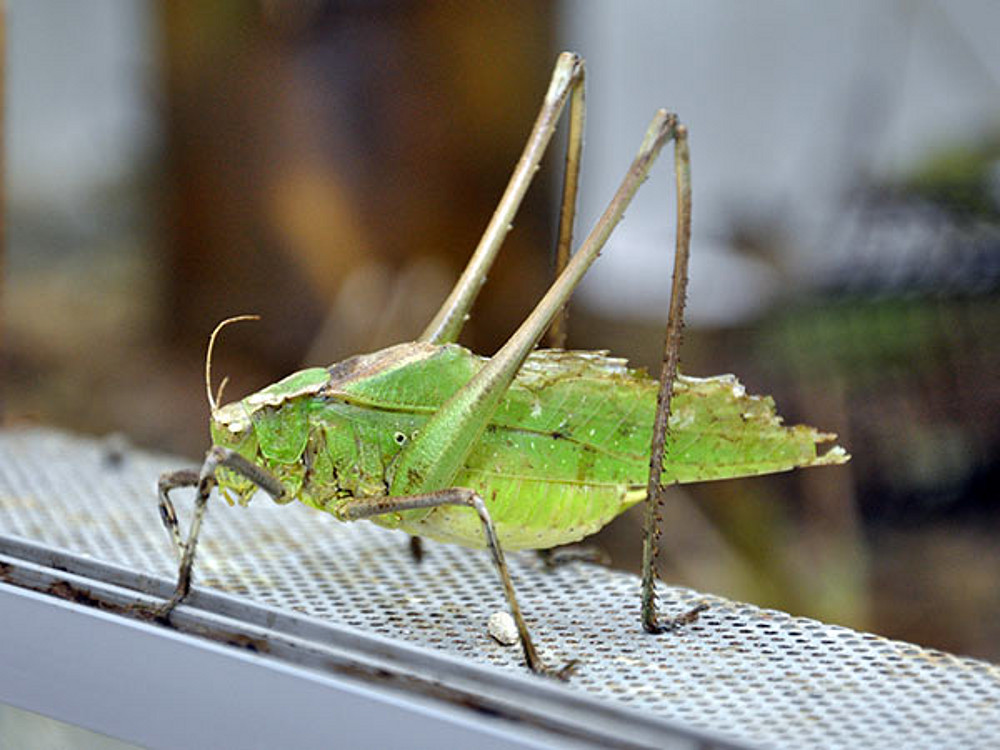
Der Schreier, eine Laubheuschrecke, erzeugt beim Liebeswerben ohrenbetörenden Lärm.

Der Schreier, eine Laubheuschrecke, erzeugt beim Liebeswerben ohrenbetörenden Lärm.

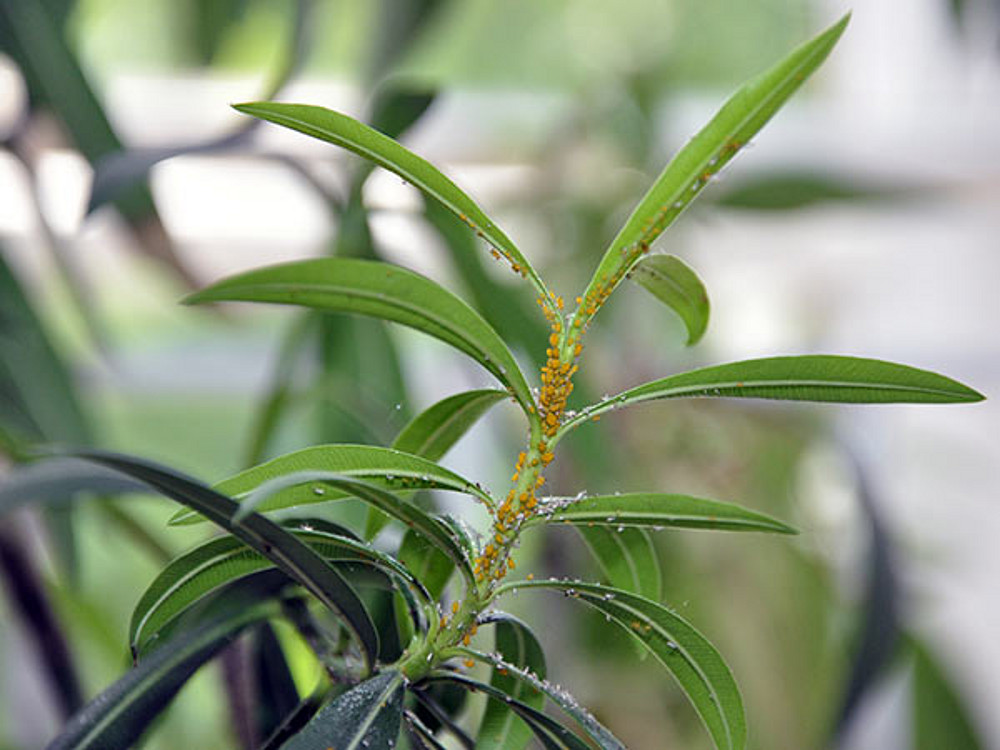
Die Oleanderblattläuse halten sich mit dem Gift aus der Pflanze Feinde vom Leib.

Die Oleanderblattläuse halten sich mit dem Gift aus der Pflanze Feinde vom Leib.

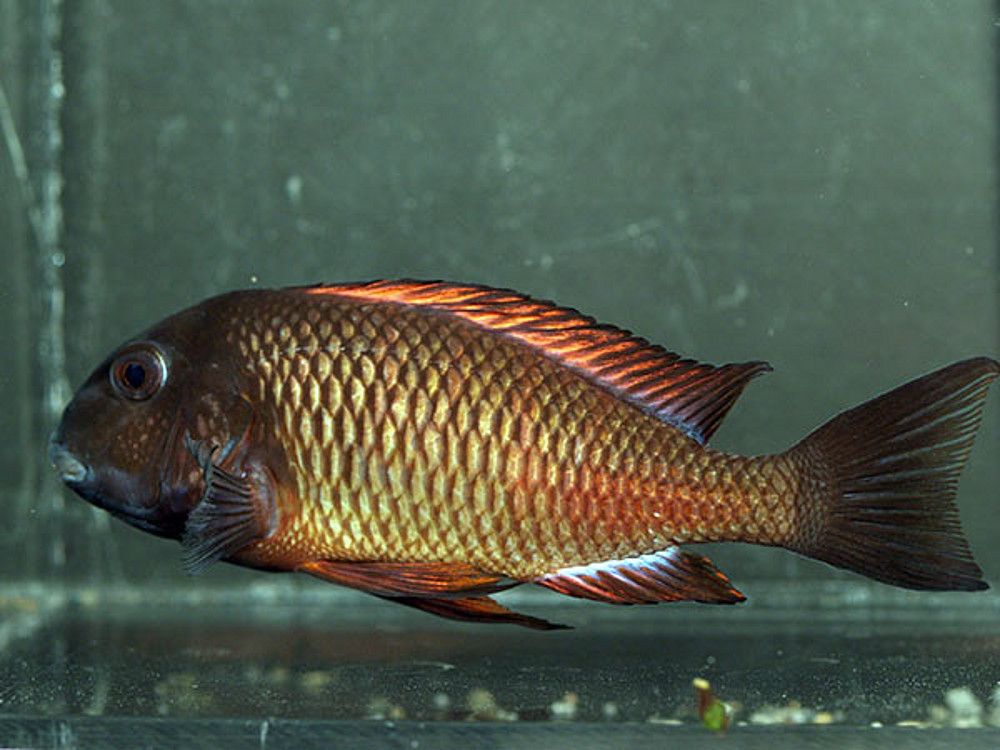
Der rote Sieger ist eine Buntbarschart, die sich gegen die andersfarbigen Kollegen durchsetzt. Für weitere Fotos bitte auf das Bild klicken.

Der rote Sieger ist eine Buntbarschart, die sich gegen die andersfarbigen Kollegen durchsetzt. Für weitere Fotos bitte auf das Bild klicken.

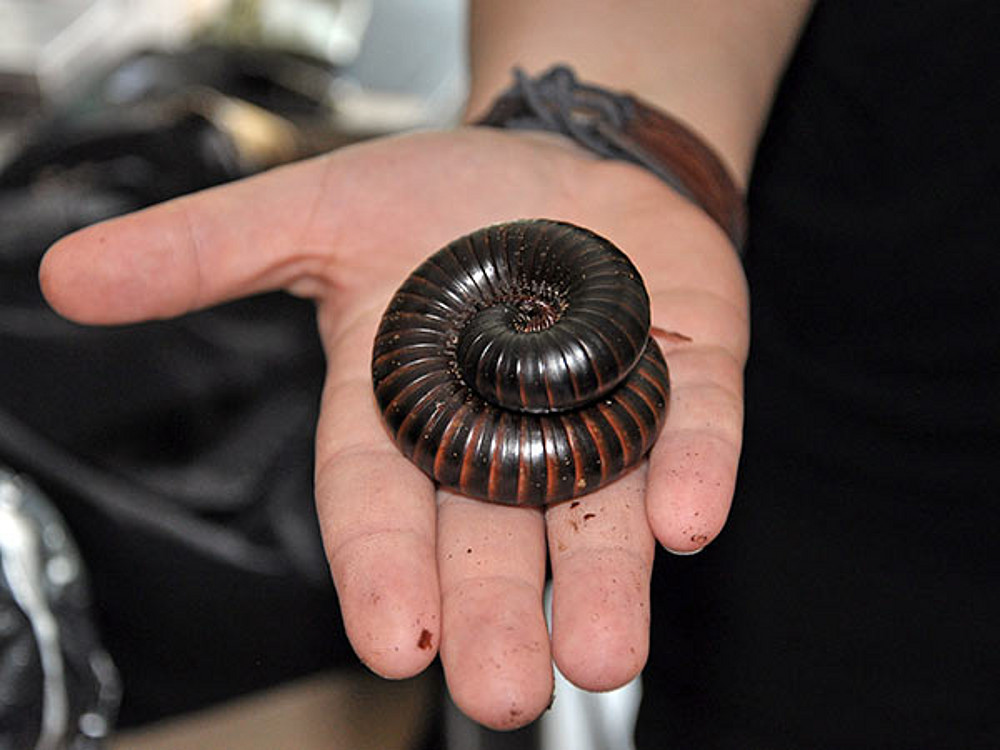
Das Abwehrsekret von Tausendfüßern wird an der Uni Graz chemisch untersucht.

Das Abwehrsekret von Tausendfüßern wird an der Uni Graz chemisch untersucht.

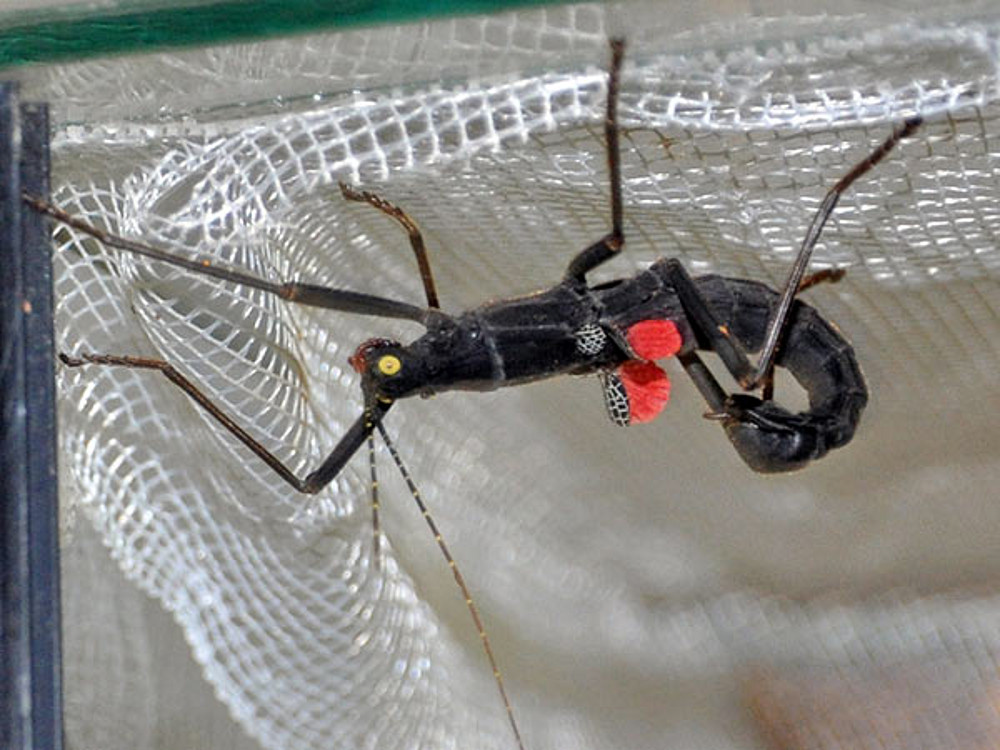
Die Gespenstschrecke ist als besonders kurioses Tier für Lehrzwecke an der Uni zu Gast.

Die Gespenstschrecke ist als besonders kurioses Tier für Lehrzwecke an der Uni zu Gast.

ZoologInnen der Uni Graz untersuchen teils kuriose tierische Besonderheiten.

Naturbeobachtung jenseits der Schmerzgrenze: Wenn die an der Uni Graz gezüchteten Schreier, eine malaysische Laubheuschrecke, mit dem Liebeswerben loslegen, liegt der Lärmpegel im Terrarium bei durchschnittlich hundert Dezibel. "Das ist so laut wie ein Flugzeugmotor beim Start und tut richtig weh im Ohr", berichtet Manfred Hartbauer. Er untersucht unter anderem, wie sich die Tiere im Dschungel akustisch durchsetzen und miteinander kommunizieren.

Wesentlich ruhiger verhalten sich da die Blattläuse, an denen der Zoologe ebenfalls forscht. Manche Arten haben sich als Kickbox-Meister erwiesen, um synchron ihre Feinde in die Flucht zu schlagen. Eine andere Strategie verfolgt die Oleander-Laus: Sie übernimmt das Gift der Pflanze zur Selbstverteidigung. "Daher muss sie sich auch nicht tarnen, sondern ist knallgelb – ein Signal für ihre Giftigkeit", erklärt Hartbauer.

Geräuschlos verhalten sich auch die Forschungsobjekte von Kristina Sefc und Stefan Koblmüller. Die beiden studieren Genetik und Verhalten von Buntbarschen und sind dabei schon auf manche Kuriosität gestoßen: "Es gibt eine Art, die zwar monogam lebt und als Paar die Jungen aufzieht, allerdings lässt das Weibchen die Eier von bis zu zehn Männchen befruchten. Der männliche Partner zieht also oft großteils fremde Kinder auf", erzählt Koblmüller. Bei einer anderen mehrfärbigen Art gibt Rot den Ton an: Die roten Fische setzen sich gegen die gelben oder blauen durch, wenn es darum geht, ein neues Territorium zu besiedeln oder die Weibchen zu beeindrucken.

Für Weberknechte und Tausendfüßler interessiert sich Günther Raspotnig - genauer gesagt für deren Abwehrsekret. Er untersucht die chemische Zusammensetzung der "Bio-Kampfstoffe" mit dem Hintergedanken, sie in Zukunft als Ersatz für Fungizide oder Antibiotika nutzen zu können.

created by Dagmar Eklaude

Related news

Chemical Christmas show at the University of Graz: An explosive evening at the Schauspielh

At the beginning of December, the University of Graz transformed the theater into a laboratory: as part of “Chemical Life,” teacher training students staged a chemical Christmas show for Styrian school classes—complete with ethanol rockets, nitrogen snow, and glowing effects. An evening designed to inspire interest in studying chemistry.

Train by train: Koralm railway accelerates exchange between the Universities

Lectures at the University of Klagenfurt in the morning, seminars at the University of Graz in the afternoon: Austria's longest tunnel and a journey time of around 45 minutes make it easy. The Koralm railway increases the speed of networking between the two university locations. The collaboration builds on existing cooperation - for example in the areas of teacher training, Slavic studies and as employers, the universities are well coordinated.

On the trail of the Big Bang: University of Graz receives 1.5 million euros for doctoral programmes

The Austrian Science Fund FWF has selected the Doctoral Programme in Theoretical Particle Physics at the University of Graz for funding from the Doc.funds. Six young scientists will be funded for 3.5 years. They will gain fundamentally new insights into the origins of the world.

From trans women and knee prostheses: sports science prizes awarded

Walking better with a prosthesis, successfully getting rid of excess weight, training more effectively, more fairness for trans people in sport: these were the topics addressed by the students at the University of Graz who were awarded the sports science prizes for their Master's theses on 3 December 2025.

Begin of page section:
Additional information:

University of Graz
Universitaetsplatz 3
8010 Graz
Austria
  • Contact
  • Web Editors
  • Moodle
  • UNIGRAZonline
  • Imprint
  • Data Protection Declaration
  • Accessibility Declaration
Weatherstation
Uni Graz

End of this page section. Go to overview of page sections

End of this page section. Go to overview of page sections

Begin of page section:

End of this page section. Go to overview of page sections