Entwickelt sich ein Embryo zu einem komplexen Organismus, verändert sich plötzlich sein Gewebe von einem festen in einen flüssigen Zustand, „Wie wenn Eis zu Wasser schmilzt“, vergleicht Bernat Corominas-Murtra. Zumindest ist das bei Zebrafischen der Fall, die der Komplexitätsforscher am Institut für Biologie der Universität Graz als Modelltierart untersucht. Weiters konnte er mit seinen KollegInnen biochemische Faktoren ausfindig machen, die es ermöglichen, in diesen komplexen Mechanismus einzugreifen und ihn zu steuern. „Das heißt, man könnte das Wachsen von krankhaftem Gewebe schon am Beginn der Entwicklung verhindern“, präzisiert Corominas-Murtra. Diese Erkenntnis ist der erste Schritt zu künftigen Krebstherapien. Die Studienergebnisse wurden in der jüngsten Ausgabe der Zeitschrift „Cell“ publiziert.
Wednesday, 24 March 2021
Schmelzende Zellen
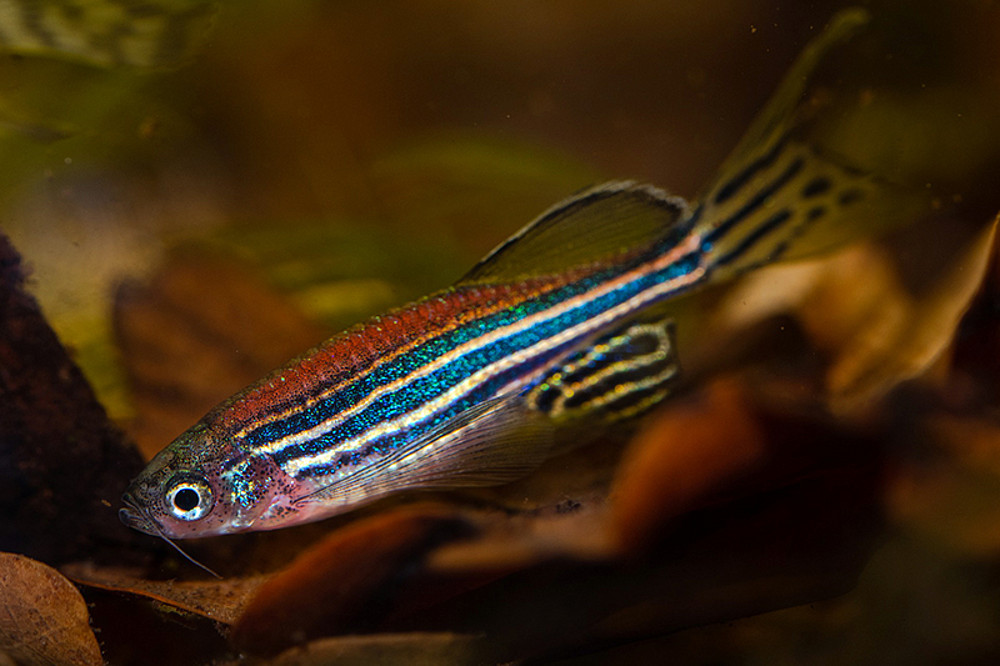
Der Zebrafisch ist ein wichtiges Modelltier für die pharmazeutische und medizinische Forschung. Bernat Corominas-Murtra entschlüsselte eine plötzliche Gewebsveränderung im Embryonalwachstum. Foto: Pixabay