Begin of page section:
Page sections:

  • Go to contents (Accesskey 1)
  • Go to position marker (Accesskey 2)
  • Go to main navigation (Accesskey 3)
  • Go to sub navigation (Accesskey 4)
  • Go to additional information (Accesskey 5)
  • Go to page settings (user/language) (Accesskey 8)
  • Go to search (Accesskey 9)

End of this page section. Go to overview of page sections

Begin of page section:
Page settings:

English en
Deutsch de
Search
Login

End of this page section. Go to overview of page sections

Begin of page section:
Search:

Search for details about Uni Graz
Close

End of this page section. Go to overview of page sections


Search

Begin of page section:
Main navigation:

Page navigation:

  • University

    University
    • About the University
    • Organisation
    • Faculties
    • Library
    • Working at University of Graz
    • Campus
    Developing solutions for the world of tomorrow - that is our mission. Our students and our researchers take on the great challenges of society and carry the knowledge out.
  • Research Profile

    Research Profile
    • Our Expertise
    • Research Questions
    • Research Portal
    • Promoting Research
    • Research Transfer
    • Ethics in Research
    • Commission for Scientific Integrity
    Scientific excellence and the courage to break new ground. Research at the University of Graz creates the foundations for making the future worth living.
  • Studies

    Studies
    • Prospective Students
    • Students
    • Registration for Study Programme (Winter semester 2026/27)
  • Community

    Community
    • International
    • Location
    • Research and Business
    • Alumni
    The University of Graz is a hub for international research and brings together scientists and business experts. Moreover, it fosters the exchange and cooperation in study and teaching.
Topics
  • Sustainable University
  • Researchers answer
  • Work for us
Close menu

End of this page section. Go to overview of page sections

Begin of page section:
You are here:

University of Graz News Recht kritisch

End of this page section. Go to overview of page sections

Wednesday, 19 October 2022

Recht kritisch

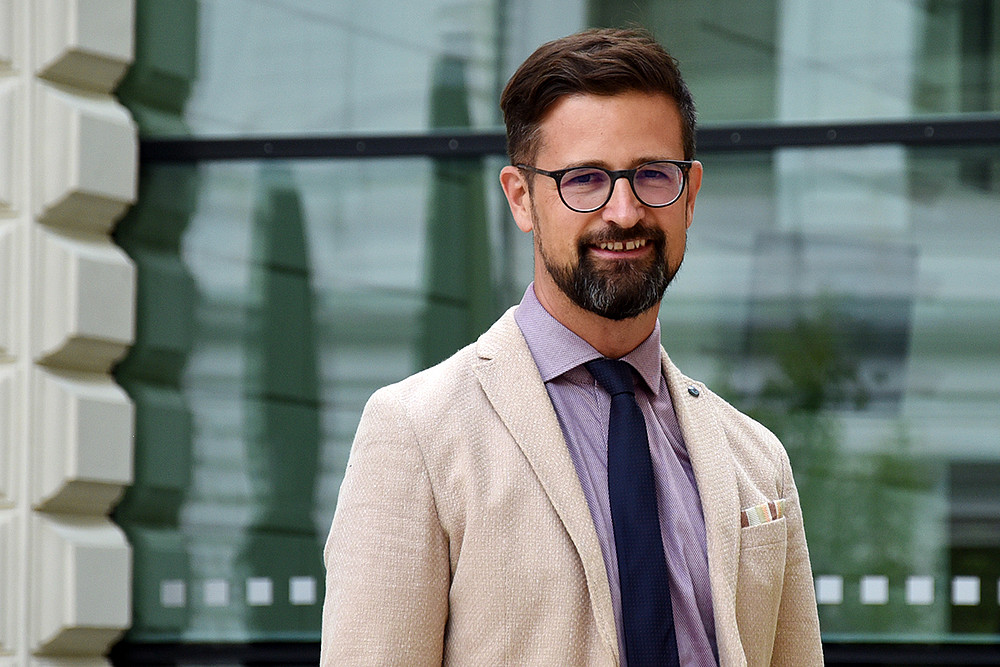
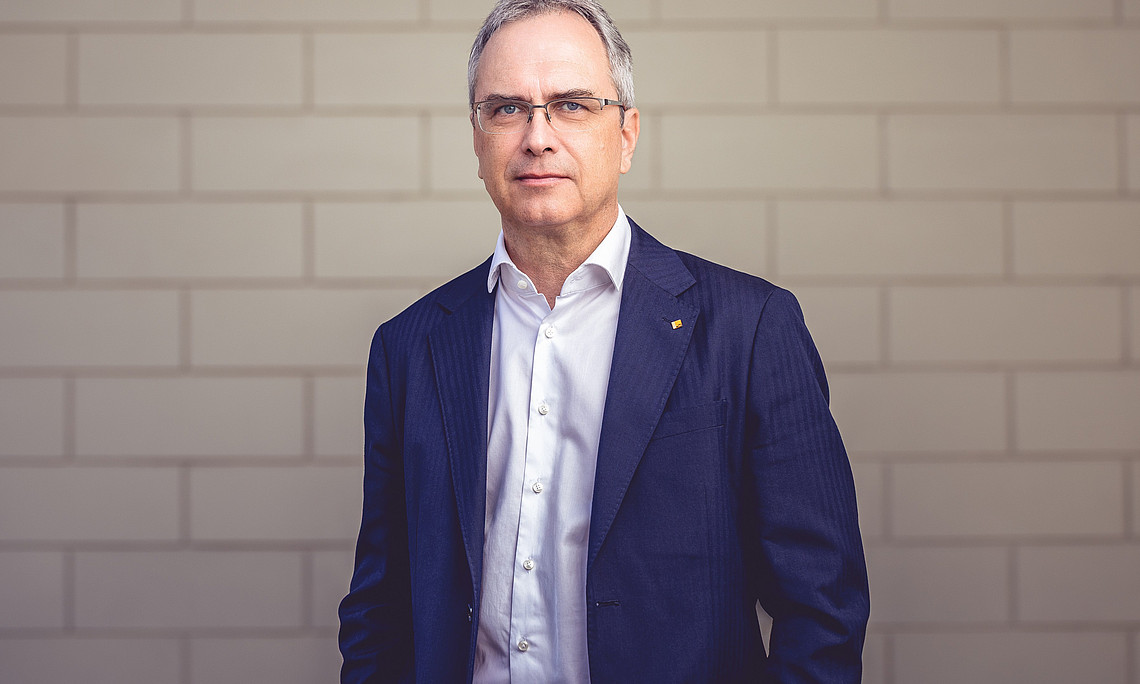
Gregor Christandl. Foto: Uni Graz/Pichler

Der gebürtige Südtiroler Gregor Christandl ist seit 1. Oktober 2021 Professor für Bürgerliches Recht an der Universität Graz. Foto: Uni Graz/Pichler

Gregor Christandl arbeitet an Lösungen für knifflige Fragen rund ums Erben

Die meisten Menschen stehen im Laufe ihres Lebens einmal vor der Situation, eine Erbschaft annehmen oder ablehnen zu können oder anderen etwas zu vermachen. Wie Vermögen auf die Nachkommen übergeht, ist in jedem Land gesetzlich geregelt. Gregor Christandl, seit 1. Oktober 2021 Professor für Bürgerliches Recht an der Universität Graz, befasst sich mit juristischen Tücken im Zusammenhang mit dem Erben und Vererben.

Was jemand wem hinterlassen möchte – abgesehen vom Pflichtteil, auf den die engsten Familienangehörigen Anspruch haben – sollte jeder Mensch frei entscheiden können. Doch wie lässt sich gewährleisten, dass Personen beim Verfassen ihres Testaments nicht fremdbestimmt werden? Eine Gefahr insbesondere für jene, die von anderen abhängig sind, etwa durch eine körperliche oder geistige Beeinträchtigung. „Vor der Erbrechtsreform, die 2017 in Kraft getreten ist, musste ein Testament von Menschen, die unter Sachwalterschaft standen, notariell beurkundet oder gerichtlich protokolliert werden. Das wurde im Zuge der Reform abgeschafft, weil es, so das Argument, diskriminierend sei. Damit aber lassen sich diese Personen, die, wie es heute heißt, unter Erwachsenenschutz stehen, nicht mehr vor Fremdeinflüssen bewahren“, verweist Gregor Christandl auf einen Aspekt, den er kritisch betrachtet.

Ein weiteres Thema, mit dem sich der Jurist aktuell befasst, ist etwa: Wie geht Vermögen von Verstorbenen auf die Erb:innen über? Wie ist das in verschiedenen europäischen Staaten geregelt? Und was ist zu tun, wenn eine Person im Ausland verstirbt? Der gebürtige Südtiroler, der ursprünglich Richter werden wollte, dann aber seine Berufung für Forschung und Lehre entdeckte, verfasst Kommentare, Glossen und Beiträge zu strittigen Fragen sowie zur Rechtsprechung des Obersten Gerichtshofs. Bei der Erarbeitung von Lösungsvorschlägen für juristische Probleme stützt er sich auf vergleichende Analysen des österreichischen, deutschen, italienischen, spanischen und französischen Rechts. Seine Beiträge finden international Beachtung.

Nach einem Masterstudiengang an der Yale Law School in den USA, einer Habilitationsstelle am Max-Planck-Institut für Ausländisches und Internationales Privatrecht in Hamburg und acht Jahren als Professor am Institut für Italienisches Recht der Uni Innsbruck kam Christandl 2021 nach Graz. Hier schätzt er insbesondere das Interesse an rechtsvergleichender Arbeit und die internationale Ausrichtung der Fakultät.

created by Gudrun Pichler

Related news

Complying with the norm: Why Do Standards Shape Our Lives, Elisabeth Staudegger?

Standards determine whether a sheet of paper fits in a printer or whether a charging plug can power multiple devices. These standards shape our everyday lives. But who actually sets these standards? Where are the weaknesses, and how could science help to improve them? Elisabeth Staudegger, Head of the ‘Law and IT’ Department at the Institute for Legal Foundations at the University of Graz, host the Academic Standards Day on 16 June. Here she relays how sciences can contribute to the topic of standardisation and reveals her personal favourite standard.

More body awareness than a culture war

In Italy, sex education lessons will in future only be permitted with parental consent, and will be banned entirely in nurseries and primary schools. At the same time, Pride Month highlights why knowledge about the body, relationships, boundaries and diversity is important for young people. A study by the University of Graz shows how important knowledge about the body, contraception, relationship skills and protection against violence is

Will Austria win the World Cup? Mathematician reveals calculation method

Michael Fischer uses the football tournament as a practical example for highschool lessons.

Survival strategies: How plants respond to drought

According to Geosphere Austria, this spring was the driest in Austria since records began around 170 years ago. The low rainfall put particular pressure on the agricultural sector. And climate change is set to make the situation even worse in the coming decades. We asked Johannes Liesche, a professor at the Department of Biology at the University of Graz, how plants react to water shortages and how they survive periods of drought.

Begin of page section:
Additional information:

University of Graz
Universitaetsplatz 3
8010 Graz
Austria
  • Contact
  • Web Editors
  • Moodle
  • UNIGRAZonline
  • Imprint
  • Data Protection Declaration
  • Accessibility Declaration
Weatherstation
Uni Graz

End of this page section. Go to overview of page sections

End of this page section. Go to overview of page sections

Begin of page section:

End of this page section. Go to overview of page sections