Begin of page section:
Page sections:

  • Go to contents (Accesskey 1)
  • Go to position marker (Accesskey 2)
  • Go to main navigation (Accesskey 3)
  • Go to sub navigation (Accesskey 4)
  • Go to additional information (Accesskey 5)
  • Go to page settings (user/language) (Accesskey 8)
  • Go to search (Accesskey 9)

End of this page section. Go to overview of page sections

Begin of page section:
Page settings:

English en
Deutsch de
Search
Login

End of this page section. Go to overview of page sections

Begin of page section:
Search:

Search for details about Uni Graz
Close

End of this page section. Go to overview of page sections


Search

Begin of page section:
Main navigation:

Page navigation:

  • University

    University
    • About the University
    • Organisation
    • Faculties
    • Library
    • Working at University of Graz
    • Campus
    Developing solutions for the world of tomorrow - that is our mission. Our students and our researchers take on the great challenges of society and carry the knowledge out.
  • Research Profile

    Research Profile
    • Our Expertise
    • Research Questions
    • Research Portal
    • Promoting Research
    • Research Transfer
    • Ethics in Research
    • Commission for Scientific Integrity
    Scientific excellence and the courage to break new ground. Research at the University of Graz creates the foundations for making the future worth living.
  • Studies

    Studies
    • Prospective Students
    • Students
  • Community

    Community
    • International
    • Location
    • Research and Business
    • Alumni
    The University of Graz is a hub for international research and brings together scientists and business experts. Moreover, it fosters the exchange and cooperation in study and teaching.
  • Spotlight
Topics
  • Sustainable University
  • Researchers answer
  • Work for us
Close menu

End of this page section. Go to overview of page sections

Begin of page section:
You are here:

University of Graz News Nachhaltig in die Zukunft

End of this page section. Go to overview of page sections

Thursday, 27 April 2017

Nachhaltig in die Zukunft

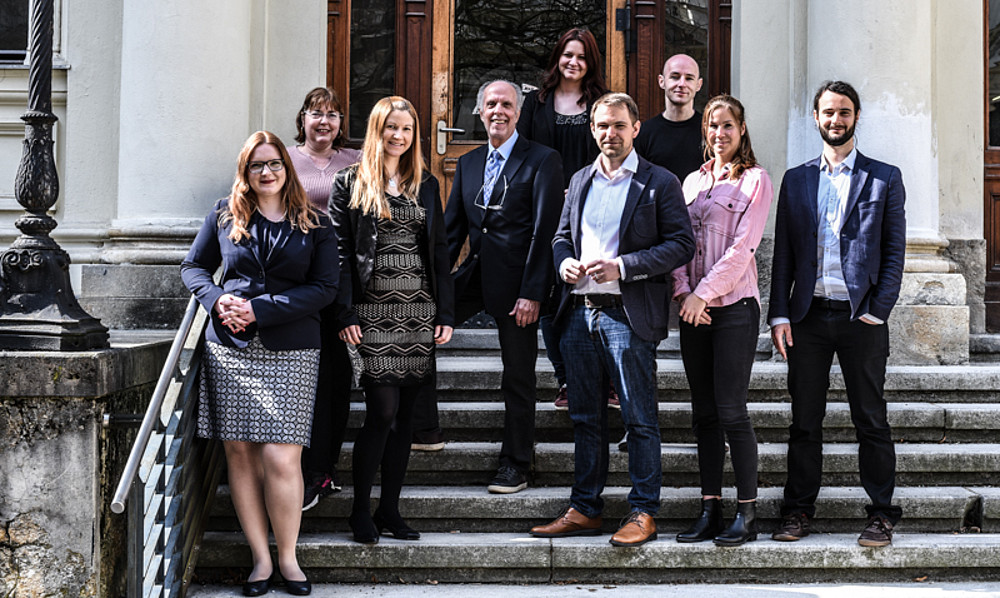
Mit einer kleinen Leistungsschau und interessanten Fachvorträgen feiert das Team des RCE Graz-Styria am 4. Mai 2017 das zehnjährige Jubiläum des Zentrums. Foto: Uni Graz/Tzivanopoulos

Mit einer kleinen Leistungsschau und interessanten Fachvorträgen feiert das Team des RCE Graz-Styria am 4. Mai 2017 das zehnjährige Jubiläum des Zentrums. Foto: Uni Graz/Tzivanopoulos

Uni Graz feiert zehn Jahre RCE-Graz-Styria

Forschung und Bildung für nachhaltige Entwicklung im regionalen Kontext ist die Kernarbeit des Regional Centre of Expertise Graz-Styria – kurz RCE Graz-Styria. Das Zentrum, das seinen Sitz an der Universität Graz hat und 2007 von der United Nations University als eines der Ersten für Bildung für nachhaltige Entwicklung ins Leben gerufen wurde, feiert am Donnerstag, dem 4. Mai 2017 ab 13 Uhr in der Aula der Uni Graz sein zehnjähriges Jubiläum. Weltweit gibt es rund 150 solcher Zentren. Ein Höhepunkt der Veranstaltung ist der Vortrag der österreichischen Klimaforscherin Helga Kromp-Kolb, die der Uni Graz auch als Mitglied des Universitätsrates verbunden ist. Der Leiter und Initiator des RCE Graz-Styria O. Univ.-Prof. Dr. Friedrich Zimmermann hält die Festrede.

Das RCE arbeitet transdisziplinär und hebt vor allem die Region Steiermark mit ihren vielen nachhaltigen Themen in den Vordergrund. Dadurch wird die Rolle der Universität Graz als Bildungsinstitution auch regional sichtbarer. Wissens-BotschafterInnen sind dabei meist Studierende, die im Rahmen von Lehrveranstaltungen am RCE das notwendige Rüstzeug für Bewusstseinsbildung vor Ort bekommen. In den vergangenen Jahren hat sich das Team des Nachhaltigkeits-Zentrums mit zahlreichen Aktionen einen Namen gemacht: Im EU-weiten Forschungsprojekt OPEDUCA erarbeiteten etwa steirische SchülerInnen gemeinsam mit weiteren Schulen umweltrelevante Themen wie Energie, Wasser, Ernährung, Mobilität oder Gesundheit. Sie kreierten eigenständig nachhaltige Geschäftsideen und setzten diese um. Im aktuellen EU-Projekt „URB@Exp“ versuchen die ForscherInnen in Kooperation mit der Verwaltung und Bevölkerung der Stadt Leoben und der Stadt Graz verschiedene Konzepte für nachhaltige Raumnutzung zu entwerfen. „Smarter Labs“, ein weiteres Projekt das gerade in Zusammenarbeit mit der Stadt Graz realisiert wird, beleuchtet etwa die aktuelle Mobilitätssituation am Griesplatz und wie die unterschiedlichen AkteurInnen hier zusammenarbeiten können. Derzeit wird an der Umgestaltung des Grazer Griesplatzes aktiv gearbeitet.

Das RCE Graz-Styria ist der Teil Umwelt-, Regional- und Bildungswissenschaftlichen Fakultät (URBI) der Uni Graz. Die URBI-Fakultät feiert heuer zehnjähriges Bestehen.

Zehn Jahre RCE Graz-Styria – Miteinander forschen und voneinander lernen
Ort: Aula der Uni Graz, Universitätsplatz 3, 8010 Graz
Zeit: Donnerstag, 4. Mai 2017, ab 13 Uhr
Die Teilnahme ist kostenlos, eine Anmeldung unter anmeldung(at)rce-graz.at erbeten.


Schon gehört?Das Webradio berichtet in der aktuellen Sendung über 10 Jahre RCE Graz-Styria: http://video4u.uni-graz.at/webradio/170502_Sendung_22/Webradio_RCE_final.mp3


Nähere Infos unter www.rce-graz.at
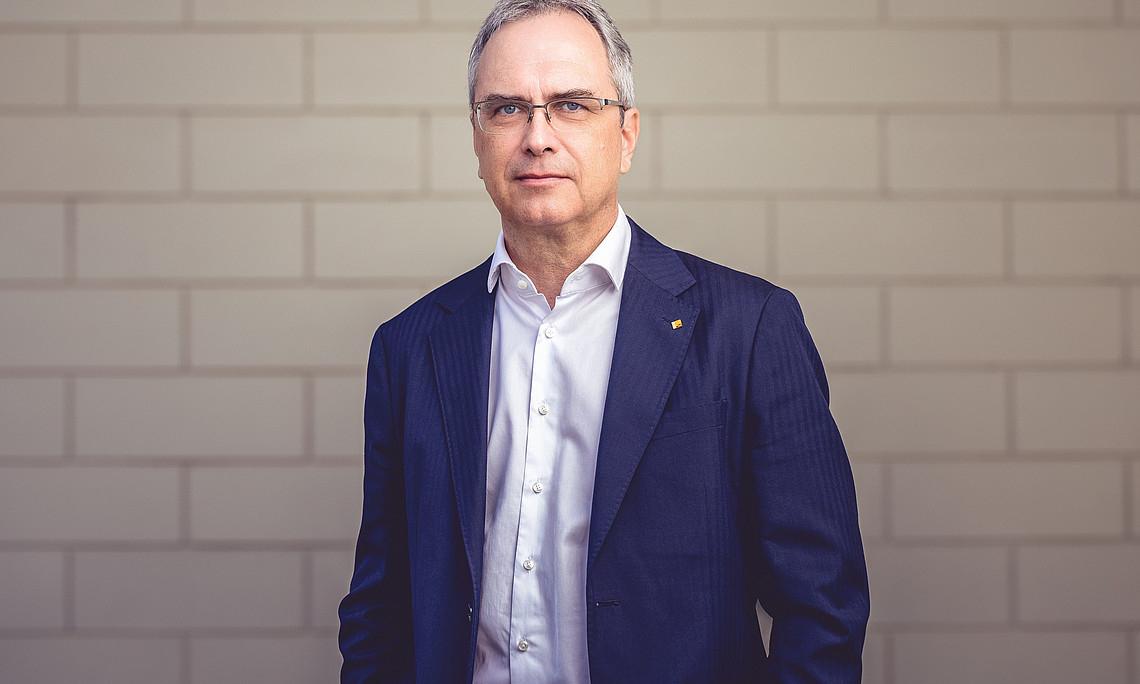
created by Konstantinos Tzivanopoulos

Related news

Higher Education Strategy 2040: Austria’s universities on course for the future

Austria has 77 higher education institutions, which is above the EU average – but does this really make sense? The new Higher Education Strategy 2040 focuses on cooperation rather than mergers. As one of the six largest universities in Austria, the University of Graz plays a central role in this.

Climate research in Greenland: Old data provides new insights

The polar explorer and University of Graz professor Alfred Wegener left behind a unique collection of climate data from Greenland. A research team from the University of Graz is now analysing this 100-year-old treasure trove of data and comparing it with current measurements.

Diversity in nature and science: How we talk about plants and each other

Ginkgo, kiwi, hemp: they exist as male and female plants. Anyone who paid attention in biology class will confirm this. But is this categorisation, established by Carl von Linné almost 300 years ago, still valid today? An interdisciplinary team at the University of Graz is questioning these attributions and using this as a starting point to provide food for thought for gender-sensitive interaction between students, scientific and teaching staff.

Around the world in eight stops: the Long Night of Research at the University of Graz

On 24 April from 5 pm, you can take a short trip around the globe at the University of Graz, discovering pecularities of foreign countries or new local features in the entrance hall of the University Library. The itinerary takes you through introduced animal species, political attitudes and the omnipotence of algorithms. There will also be a programme in the historic reading hall, as well as at the UniGraz@Museum and the University Archive.

Begin of page section:
Additional information:

University of Graz
Universitaetsplatz 3
8010 Graz
Austria
  • Contact
  • Web Editors
  • Moodle
  • UNIGRAZonline
  • Imprint
  • Data Protection Declaration
  • Accessibility Declaration
Weatherstation
Uni Graz

End of this page section. Go to overview of page sections

End of this page section. Go to overview of page sections

Begin of page section:

End of this page section. Go to overview of page sections