The last few days have brought a brief respite, but summer is picking up steam again. And in many poorly insulated flats or those in attics, it has hardly cooled down at all. How well residents can protect themselves from the heat depends largely on their income and state of health. The public sector must keep all needs in mind, urges Eva Preinfalk.
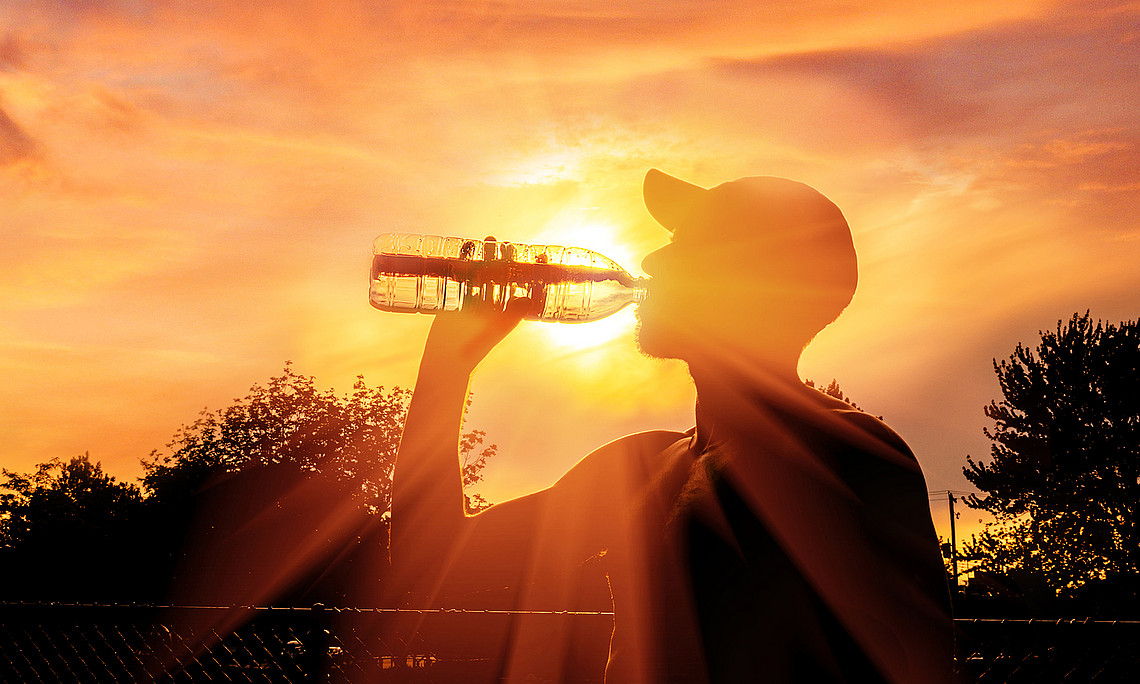
“More trees, unpaved spaces or additional bodies of water not only provide more pleasant places to be on hot days. They improve the urban climate all year round and create valuable recreational spaces for the public,” she says, listing possible measures. Of course, these measures only help those who can leave their homes. For people with limited mobility and in social housing, attention must be paid to better insulation: “This not only protects health but also reduces energy consumption.” Mobile care services and neighbourhood networks that ensure people stay sufficiently hydrated and that homes are properly ventilated or kept dark would be another form of support that could be organised quickly. “We mustn’t forget the homeless either,” warns Preinfalk. The Caritas railway station mission in Graz, for example, offers them a cool place to retreat to, as well as drinks and meals.
Affected professions
“People working in construction, care, the hospitality sector or delivery services cannot simply take time off during a heatwave. That is why structural solutions are needed: cooler places, more shade, adjusted working hours and easily accessible ways to cool down,” explains the researcher. However, climate adaptation is not just a matter of urban planning: “When more people need support and, at the same time, the already scarce care staff are working in extreme heat, better equipment and adapted operational strategies are needed.”
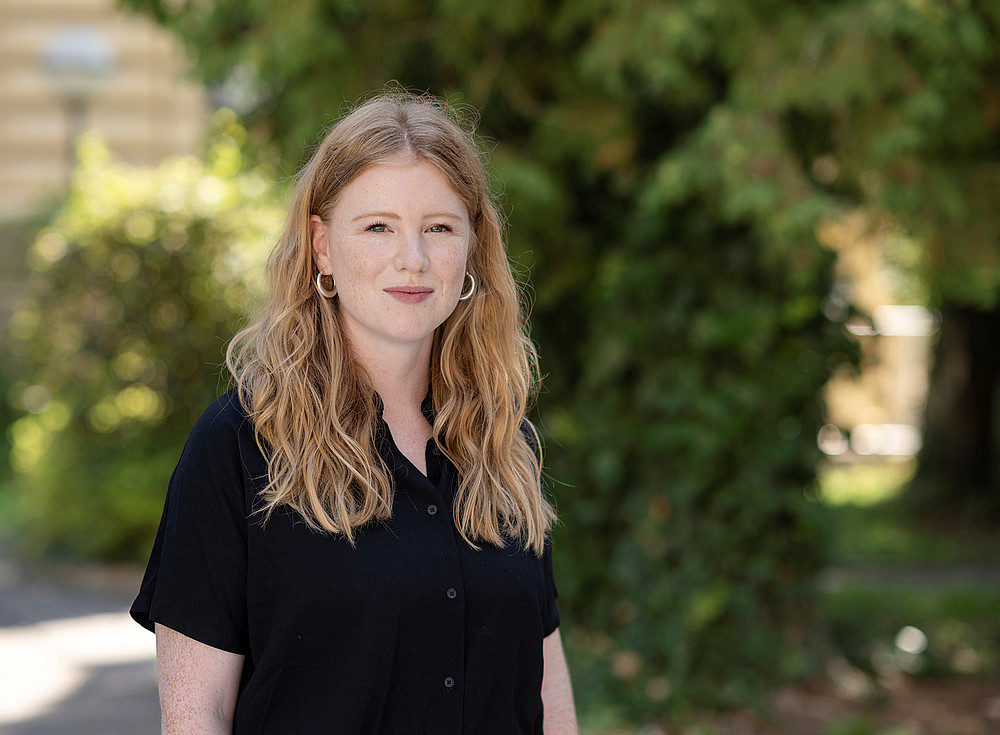
Eva Preinfalk’s research at the Wegener Centre at the University of Graz focuses, amongst other things, on government investment in climate change adaptation >> read more about this in Unizeit. Geographer Anke Strüver is also investigating how cities can remain liveable – not just in summer >> there is also an Unizeit article on this.