



Begin of page section:
Page sections:

  • Go to contents (Accesskey 1)
  • Go to position marker (Accesskey 2)
  • Go to main navigation (Accesskey 3)
  • Go to sub navigation (Accesskey 4)
  • Go to additional information (Accesskey 5)
  • Go to page settings (user/language) (Accesskey 8)
  • Go to search (Accesskey 9)

End of this page section. Go to overview of page sections

Begin of page section:
Page settings:

English en
Deutsch de
Search
Login

End of this page section. Go to overview of page sections

Begin of page section:
Search:

Search for details about Uni Graz
Close

End of this page section. Go to overview of page sections


Search

Begin of page section:
Main navigation:

Page navigation:

  • University

    University
    • About the University
    • Organisation
    • Faculties
    • Library
    • Working at University of Graz
    • Campus
    Developing solutions for the world of tomorrow - that is our mission. Our students and our researchers take on the great challenges of society and carry the knowledge out.
  • Research Profile

    Research Profile
    • Our Expertise
    • Research Questions
    • Research Portal
    • Promoting Research
    • Research Transfer
    • Ethics in Research
    • Commission for Scientific Integrity
    Scientific excellence and the courage to break new ground. Research at the University of Graz creates the foundations for making the future worth living.
  • Studies

    Studies
    • Prospective Students
    • Students
    • Registration for Study Programme (Winter semester 2026/27)
  • Community

    Community
    • International
    • Location
    • Research and Business
    • Alumni
    The University of Graz is a hub for international research and brings together scientists and business experts. Moreover, it fosters the exchange and cooperation in study and teaching.
Topics
  • Sustainable University
  • Researchers answer
  • Work for us
Close menu

End of this page section. Go to overview of page sections

Begin of page section:
You are here:

University of Graz News Herzlich willkommen!

End of this page section. Go to overview of page sections

Wednesday, 26 September 2018

Herzlich willkommen!

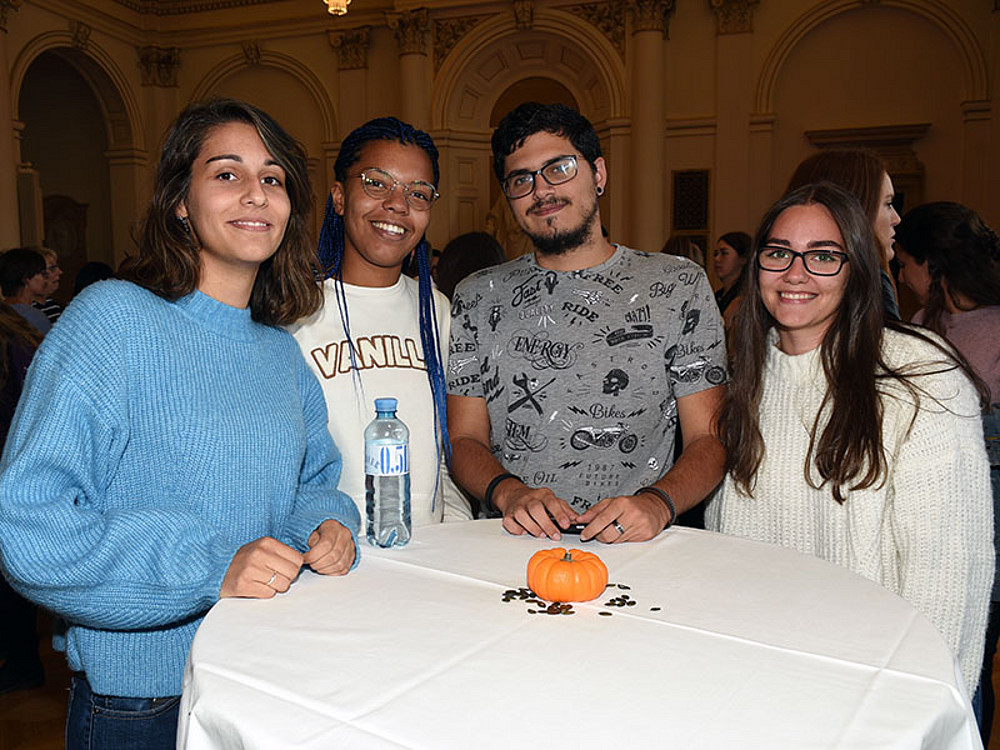
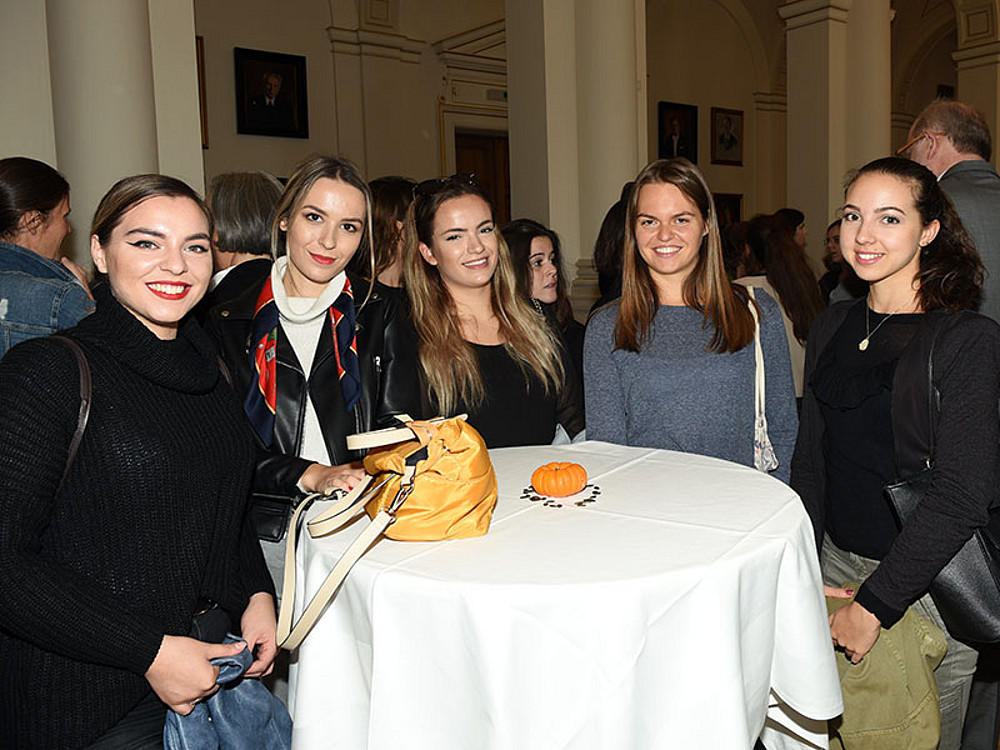
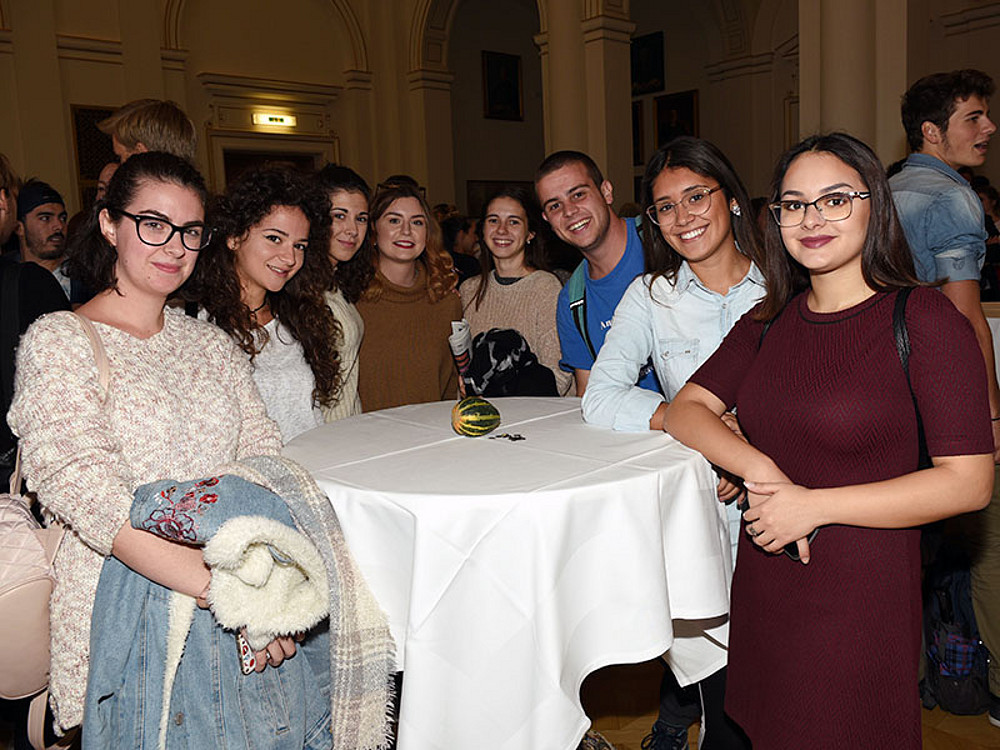
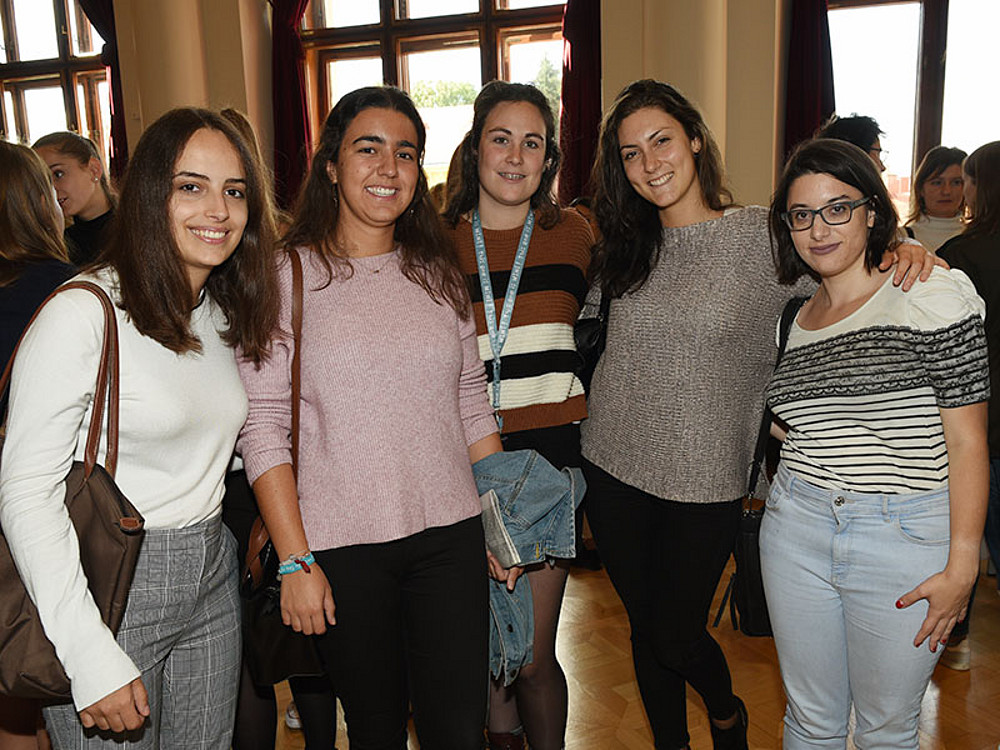
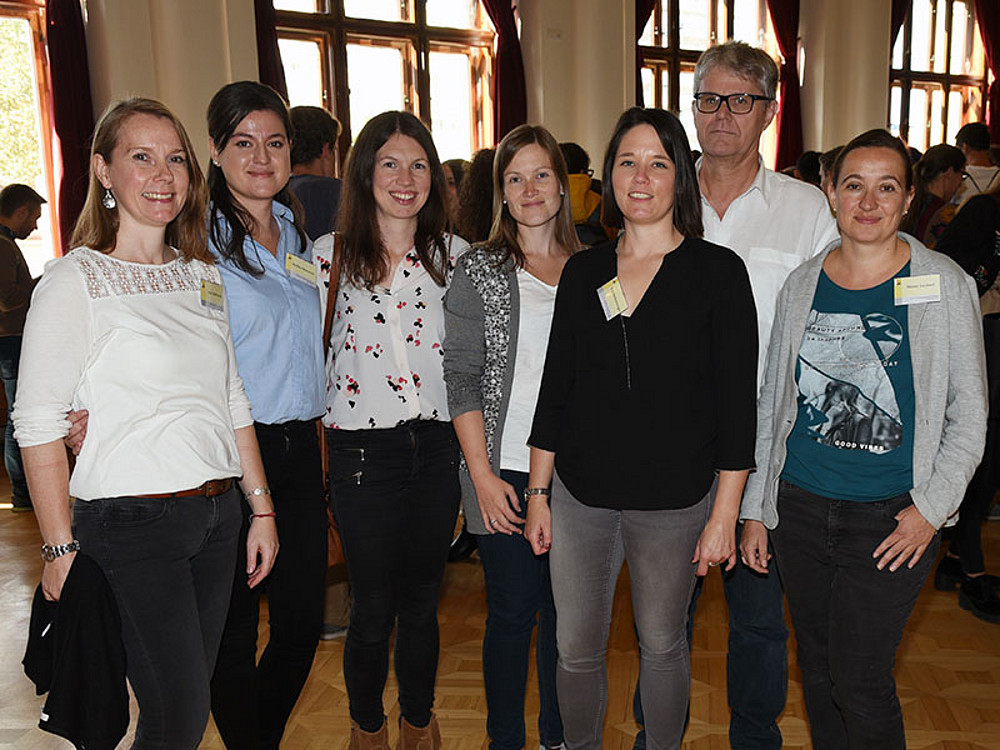
Der Welcome-Empfang bot Gelegenheit zum Kennenlernen und Informationsaustausch. Fotos: Uni Graz/Pichler

Der Welcome-Empfang bot Gelegenheit zum Kennenlernen und Informationsaustausch. Fotos: Uni Graz/Pichler

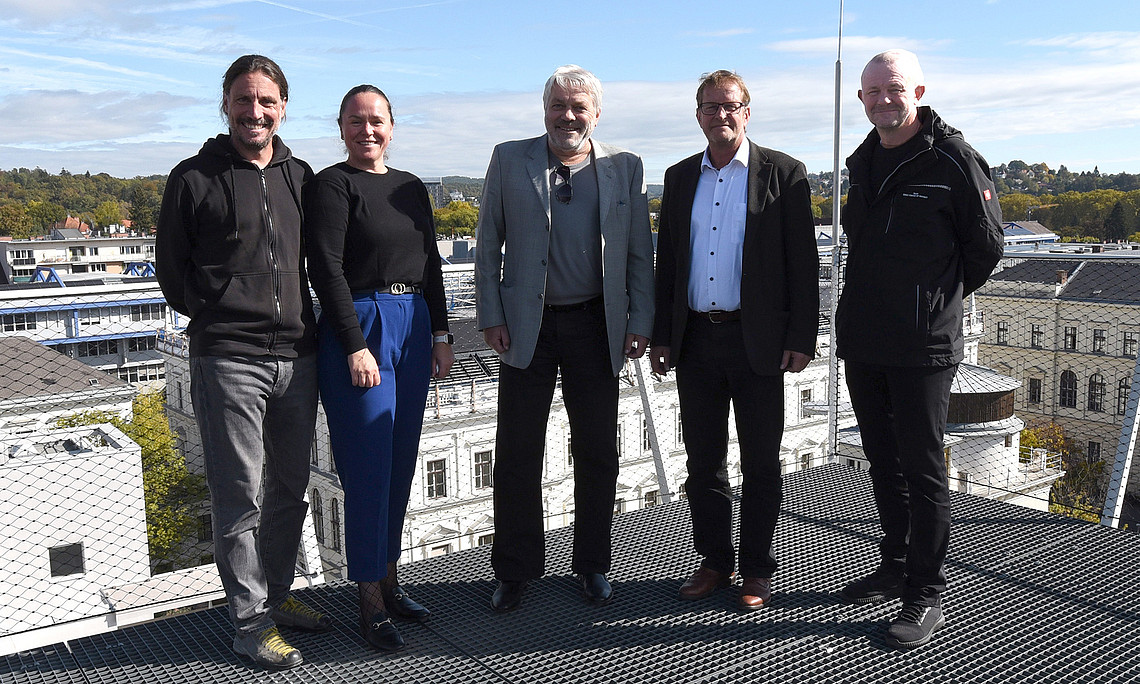
V.l.: BIB-Leiterin Sabine Pendl und Rektorin Christa Neuper mit Petar Kolundzija, Lisa-Maria Schantl und Eliza Robin Sinclair, die von ihren Erfahrungen erzählten.

V.l.: BIB-Leiterin Sabine Pendl und Rektorin Christa Neuper mit Petar Kolundzija, Lisa-Maria Schantl und Eliza Robin Sinclair, die von ihren Erfahrungen erzählten.

Knapp 400 internationale Studierende verbringen dieses Semester im Rahmen eines Mobilitätsprogramms an der Universität Graz.

Knapp 400 internationale Studierende verbringen dieses Semester im Rahmen eines Mobilitätsprogramms an der Universität Graz.

Die Studierenden kommen aus 46 verschiedenen Ländern, ...

Die Studierenden kommen aus 46 verschiedenen Ländern, ...

... die meisten von ihnen aus Deutschland, Spanien und Italien.

... die meisten von ihnen aus Deutschland, Spanien und Italien.

Das Büro für Internationale Beziehungen organisierte den Empfang.

Das Büro für Internationale Beziehungen organisierte den Empfang.

Rektorin Christa Neuper begrüßte die neuen internationalen Studierenden an der Universität

Mit einem herzlichen "Welcome" begrüßte Rektorin Christa Neuper am 25. September 2018 die internationalen Studierenden des Wintersemesters 2018/19 bei einem Empfang in der Aula. Knapp 400 junge Frauen und Männer aus 46 Ländern beginnen nun im Rahmen eines Mobilitätsprogramms, allen voran Erasmus+, ihren Auslandsaufenthalt an der Universität Graz. Die meisten von ihnen kommen aus Deutschland (54), gefolgt von Spanien (51) und Italien (48).

Der vom Büro für Internationale Beziehungen (BIB) unter der Leitung von Sabine Pendl organisierte Empfang, zu dem auch Lehrende, MitarbeiterInnen verschiedener Abteilungen und Outgoing-Studierende des vergangenen Studienjahres geladen waren, bot Gelegenheit zum Kennenlernen, Kontakte Knüpfen und Informationsaustausch in entspannter Atmosphäre.

Eliza Robin Sinclair aus Australien und Petar Kolundzija aus Serbien schilderten ihre Erwartungen und ersten Eindrücke, und Lisa-Maria Schantl erzählte von ihren Erfahrungen an der Montclair State University in den USA, wo sie das letzte Studienjahr verbracht hatte.
„Internationalisierung und internationale Vernetzung sind wichtige Anliegen der Universität Graz. Nun sind auch Sie Teil dieses Netzwerks“, unterstrich Rektorin Neuper und wünschte den Studierenden einen bereichernden Aufenthalt in Graz, für das Studium ebenso wie auf persönlicher Ebene.
created by Gudrun Pichler

Related news

Complying with the norm: Why Do Standards Shape Our Lives, Elisabeth Staudegger?

Standards determine whether a sheet of paper fits in a printer or whether a charging plug can power multiple devices. These standards shape our everyday lives. But who actually sets these standards? Where are the weaknesses, and how could science help to improve them? Elisabeth Staudegger, Head of the ‘Law and IT’ Department at the Institute for Legal Foundations at the University of Graz, host the Academic Standards Day on 16 June. Here she relays how sciences can contribute to the topic of standardisation and reveals her personal favourite standard.

More body awareness than a culture war

In Italy, sex education lessons will in future only be permitted with parental consent, and will be banned entirely in nurseries and primary schools. At the same time, Pride Month highlights why knowledge about the body, relationships, boundaries and diversity is important for young people. A study by the University of Graz shows how important knowledge about the body, contraception, relationship skills and protection against violence is

Will Austria win the World Cup? Mathematician reveals calculation method

Michael Fischer uses the football tournament as a practical example for highschool lessons.

Survival strategies: How plants respond to drought

According to Geosphere Austria, this spring was the driest in Austria since records began around 170 years ago. The low rainfall put particular pressure on the agricultural sector. And climate change is set to make the situation even worse in the coming decades. We asked Johannes Liesche, a professor at the Department of Biology at the University of Graz, how plants react to water shortages and how they survive periods of drought.

Begin of page section:
Additional information:

University of Graz
Universitaetsplatz 3
8010 Graz
Austria
  • Contact
  • Web Editors
  • Moodle
  • UNIGRAZonline
  • Imprint
  • Data Protection Declaration
  • Accessibility Declaration
Weatherstation
Uni Graz

End of this page section. Go to overview of page sections

End of this page section. Go to overview of page sections

Begin of page section:

End of this page section. Go to overview of page sections

