Begin of page section:
Page sections:

  • Go to contents (Accesskey 1)
  • Go to position marker (Accesskey 2)
  • Go to main navigation (Accesskey 3)
  • Go to sub navigation (Accesskey 4)
  • Go to additional information (Accesskey 5)
  • Go to page settings (user/language) (Accesskey 8)
  • Go to search (Accesskey 9)

End of this page section. Go to overview of page sections

Begin of page section:
Page settings:

English en
Deutsch de
Search
Login

End of this page section. Go to overview of page sections

Begin of page section:
Search:

Search for details about Uni Graz
Close

End of this page section. Go to overview of page sections


Search

Begin of page section:
Main navigation:

Page navigation:

  • University

    University
    • About the University
    • Organisation
    • Faculties
    • Library
    • Working at University of Graz
    • Campus
    Developing solutions for the world of tomorrow - that is our mission. Our students and our researchers take on the great challenges of society and carry the knowledge out.
  • Research Profile

    Research Profile
    • Our Expertise
    • Research Questions
    • Research Portal
    • Promoting Research
    • Research Transfer
    • Ethics in Research
    • Commission for Scientific Integrity
    Scientific excellence and the courage to break new ground. Research at the University of Graz creates the foundations for making the future worth living.
  • Studies

    Studies
    • Prospective Students
    • Students
  • Community

    Community
    • International
    • Location
    • Research and Business
    • Alumni
    The University of Graz is a hub for international research and brings together scientists and business experts. Moreover, it fosters the exchange and cooperation in study and teaching.
  • Spotlight
Topics
  • Sustainable University
  • Researchers answer
  • Work for us
Close menu

End of this page section. Go to overview of page sections

Begin of page section:
You are here:

University of Graz News Heilende Pflanzen

End of this page section. Go to overview of page sections

Friday, 06 November 2015

Heilende Pflanzen

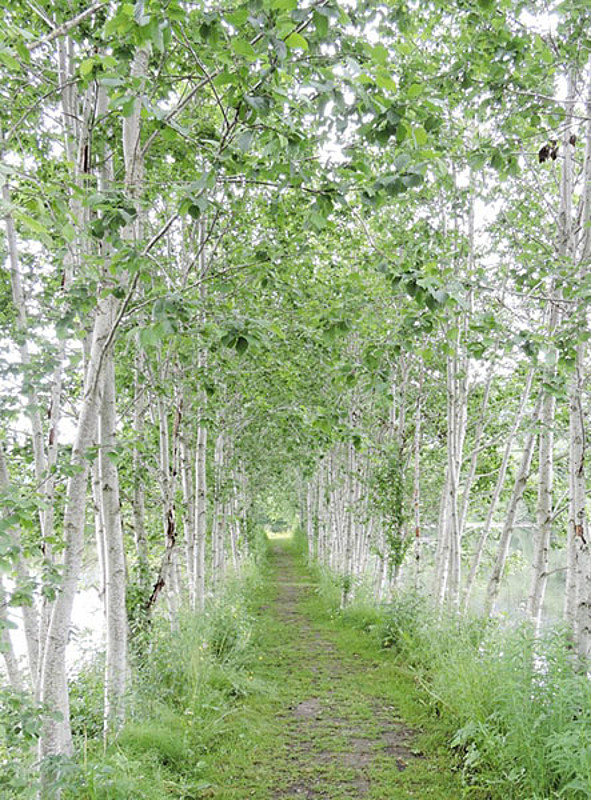
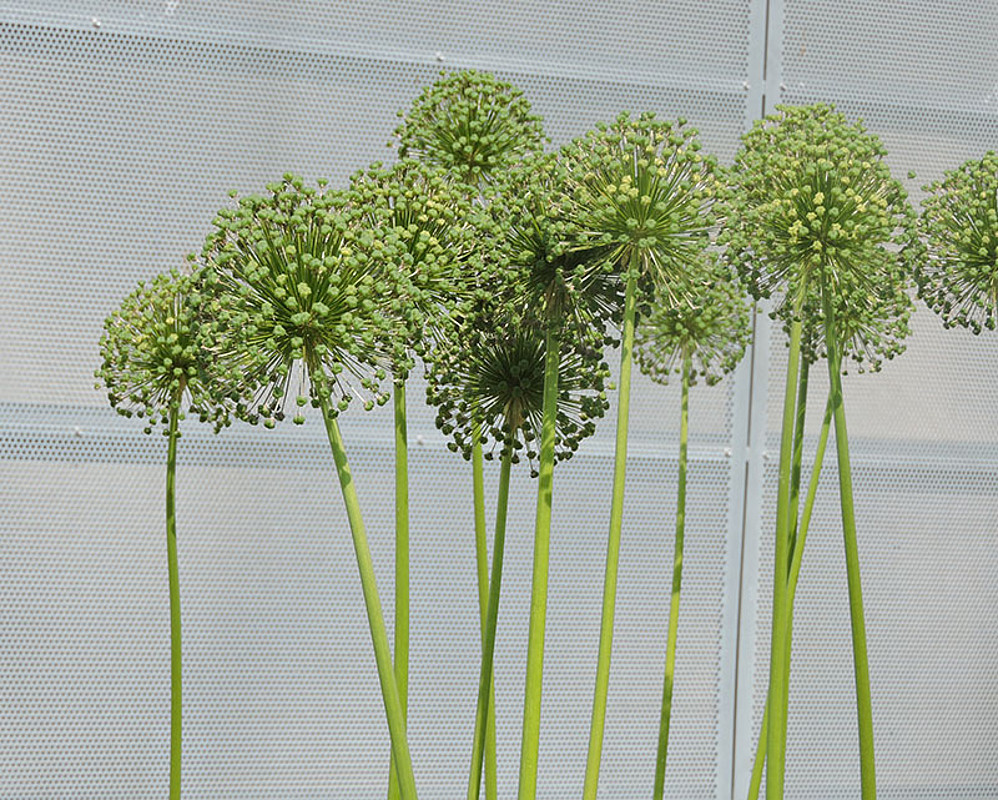
Flora-Kunstblicke des Leobner Fotografen Dr. Werner Steiner. Alle Fotos: Steiner.

Flora-Kunstblicke des Leobner Fotografen Dr. Werner Steiner. Alle Fotos: Steiner.

Ausbildungskurs zur Phyto-Aromatherapie startet

Am Mittwoch, 4. November 2015, startete eine Kooperation zwischen dem Institut für Pflanzenwissenschaften der Karl-Franzens-Universität Graz und zwei praktizierenden Ärztinnen, die ihr umfassendes Fachwissen über Pflanzenheilkraft durch reinste Naturaromen in einem konzentrierten Ausbildungskurs im kommenden Jahr zur Verfügung stellen werden. Er richtet sich nicht nur an MedizinerInnen und Studierende der Medizin, sondern auch an alle, die Interesse an der Anwendung von Heilpflanzen im Sinne eines ganzheitlichen Gesundheitskonzeptes haben.


Die Gastgeberin Dr. Ursula Brosch begrüßte in einem vollen Hörsaal die Vortragenden, Dr. Bernadette Sonnleitner und Dr. Gabriela Thalhammer. Die beiden Ärztinnen boten informative und reich bebilderte Einblicke in die faszinierende Welt der Heilpflanzen und ihrer auf Körper und Geist positiv einwirkende Aromen. An erfrischende Duftproben konnten sich die begeisterten HörerInnen selbst von der Wirkung der heilenden Pflanzen überzeugen.


Eine Wohltat für die Augen bildete der Flora-Kunstblick des Leobner Fotografen Dr. Werner Steiner, Student der Kunstgeschichte an der Uni Graz. Das Institut für Kunstgeschichte führte die themenbezogene Kunstpräsentation gemeinsam mit Steiner durch. Diese bildete den Ausgangspunkt für eine Taschenlampen-Wanderung durch die nächtliche Botanik. Dort konnte man dann abschließend noch den Geschmackssinn mit einigen Schmankerln bedienen.


Ausbildungskurs „Ganzheitliche Phyto-Aromatherapie“; Kontakt für die Anmeldung:
Dr. Bernadette Sonnleitner: b.sonnleitner(at)medway.at


created by Margit Stadlober & Gerhild Kastrun

Related news

Building biological bridges: Chemist discovers an ecological tool for the pharmaceutical industry

Building a relationship on a solid foundation is also important in chemistry. To produce medicines, disinfectants or plant protection products, stable bonds between carbon atoms must be formed. Conventional chemical methods rely on environmentally harmful reagents and solvents to carry out the desired reaction. This process also produces unusable by-products. Chemist Lilla Gal has discovered an enzyme that enables the same process to take place efficiently and sustainably. The results of her research were recently published in the prestigious journal Angewandte Chemie.

Higher Education Strategy 2040: Austria’s universities on course for the future

Austria has 77 higher education institutions, which is above the EU average – but does this really make sense? The new Higher Education Strategy 2040 focuses on cooperation rather than mergers. As one of the six largest universities in Austria, the University of Graz plays a central role in this.

Climate research in Greenland: Old data provides new insights

The polar explorer and University of Graz professor Alfred Wegener left behind a unique collection of climate data from Greenland. A research team from the University of Graz is now analysing this 100-year-old treasure trove of data and comparing it with current measurements.

Diversity in nature and science: How we talk about plants and each other

Ginkgo, kiwi, hemp: they exist as male and female plants. Anyone who paid attention in biology class will confirm this. But is this categorisation, established by Carl von Linné almost 300 years ago, still valid today? An interdisciplinary team at the University of Graz is questioning these attributions and using this as a starting point to provide food for thought for gender-sensitive interaction between students, scientific and teaching staff.

Begin of page section:
Additional information:

University of Graz
Universitaetsplatz 3
8010 Graz
Austria
  • Contact
  • Web Editors
  • Moodle
  • UNIGRAZonline
  • Imprint
  • Data Protection Declaration
  • Accessibility Declaration
Weatherstation
Uni Graz

End of this page section. Go to overview of page sections

End of this page section. Go to overview of page sections

Begin of page section:

End of this page section. Go to overview of page sections