




Begin of page section:
Page sections:

  • Go to contents (Accesskey 1)
  • Go to position marker (Accesskey 2)
  • Go to main navigation (Accesskey 3)
  • Go to sub navigation (Accesskey 4)
  • Go to additional information (Accesskey 5)
  • Go to page settings (user/language) (Accesskey 8)
  • Go to search (Accesskey 9)

End of this page section. Go to overview of page sections

Begin of page section:
Page settings:

English en
Deutsch de
Search
Login

End of this page section. Go to overview of page sections

Begin of page section:
Search:

Search for details about Uni Graz
Close

End of this page section. Go to overview of page sections


Search

Begin of page section:
Main navigation:

Page navigation:

  • University

    University
    • About the University
    • Organisation
    • Faculties
    • Library
    • Working at University of Graz
    • Campus
    Developing solutions for the world of tomorrow - that is our mission. Our students and our researchers take on the great challenges of society and carry the knowledge out.
  • Research Profile

    Research Profile
    • Our Expertise
    • Research Questions
    • Research Portal
    • Promoting Research
    • Research Transfer
    • Ethics in Research
    • Commission for Scientific Integrity
    Scientific excellence and the courage to break new ground. Research at the University of Graz creates the foundations for making the future worth living.
  • Studies

    Studies
    • Prospective Students
    • Students
    • Registration for Study Programme (Winter semester 2026/27)
    • Study Days 22-26 June 2026
  • Community

    Community
    • International
    • Location
    • Research and Business
    • Alumni
    The University of Graz is a hub for international research and brings together scientists and business experts. Moreover, it fosters the exchange and cooperation in study and teaching.
Topics
  • Sustainable University
  • Researchers answer
  • Work for us
Close menu

End of this page section. Go to overview of page sections

Begin of page section:
You are here:

University of Graz News Gut aufgehoben

End of this page section. Go to overview of page sections

Thursday, 20 January 2022

Gut aufgehoben

Kleinkinder brauchen höchst professionelle Zuwendung für eine optimale Entwicklung. Um diese bieten zu können, muss das Personal in Krippen und Kindergärten entlastet werden. Foto: Pexels

Kleinkinder brauchen höchst professionelle Zuwendung für eine optimale Entwicklung. Um diese bieten zu können, muss das Personal in Krippen und Kindergärten entlastet werden. Foto: Pexels

Uni-Graz-Expertin fordert Qualität in der Elementarpädagogik

Tränen trocknen, beim Essen helfen, gemeinsam singen: Krippen- und Kindergartenkinder brauchen besonders viel Nähe. Der Spagat zwischen Zuwendung und Selbstschutz ist in der Pandemie für die PädagogInnen oft zur Zerreißprobe geworden. Große Gruppen und fehlendes Personal erschweren den Alltag zusätzlich. Bildungsforscherin Catherine Walter-Laager bricht anlässlich des Tags der Elementarpädagogik am 22. Jänner eine Lanze für die Berufsgruppe und fordert hervorragende Ausbildungsmöglichkeiten sowie mehr Geld für diesen Bereich.

Eine verlässliche und langfristige Beziehung zu Personen außerhalb der Familie sowie die Unterstützung bei der Eroberung der Welt seien die Grundlage, um angstfrei zu lernen und die eigenen Interessen und Bedürfnisse zu entdecken. „Eltern und PädagogInnen legen dafür die Basis – oder können sie auch zerstören“, mahnt die Professorin für Elementarpädagogik an der Universität Graz. „Der Umgang mit Kleinkindern verlangt in jeder Minute hochprofessionelles Agieren, umfassendes Weltwissen, Einfühlungsvermögen und soziale Kompetenz. Unter Stress sind diese Anforderungen schwer zu erfüllen“, betont Walter-Laager. Bessere Rahmenbedingungen und fachlich hochwertige Weiterbildung seien daher dringend nötig.
Werkzeuge für den pädagogischen Alltag und digitale Weiterbildungsmaterialien stellt das von der Expertin gegründete und geleitete Internationale Zentrum für Professionalisierung der Elementarpädagogik (PEP) als Soforthilfe zur Verfügung. Darüber hinaus arbeitet das Team am PEP mit Trägergesellschaften im In- und Ausland zusammen, um die Qualität der Kindergärten und -krippen zu heben.
„Der Fachkräftemangel ist ein riesiges Problem, das sich schon seit Jahren abzeichnet und noch verschärfen wird“, weiß Walter-Laager. Durch die PISA-Studien habe man erkannt, dass eine gute elementarpädagogische Bildung helfe, später die Leistungsschere in den Schulen zu schließen.

Die Universität Graz hat 2010 die österreichweit erste Professur für Elementarpädagogik besetzt. Das PEP ist das größte universitäre Zentrum im deutschsprachigen Raum und unterstützt durch Forschungs- und Entwicklungsprojekte sowie Bildungsoffensiven mehr als 10.000 Kinderbetreuungseinrichtungen. „Wir müssen uns im Rahmen des Möglichen bemühen, den Berufsstand zu akademisieren und die nötige Finanzierung dafür aufzutreiben“, resümiert Walter-Laager. Den ersten Schritt in die Richtung macht die Universität Graz mit einem berufsbefähigenden Lehrgang in Kooperation mit der Pädagogischen Hochschule Burgenland, der im Herbst startet.
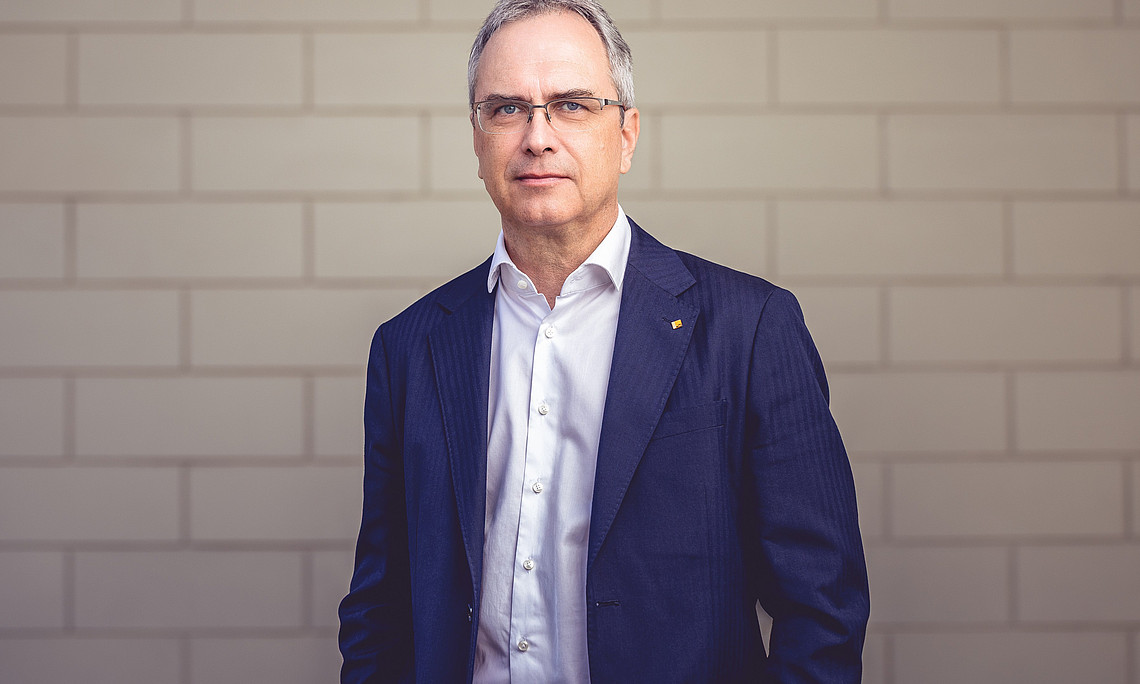

created by Dagmar Eklaude

Related news

Full effort in the heat: the Sports Centre was in full swing at the Kleeblattlauf

On 19 June 2026, 2,000 runners and hundreds of supporters made their way to the Rosenhain for a sporting end-of-term event.

Save, invest or guarantee: What Austrians expect from the state

Austria needs to make savings. But where? And what should the Republic actually be spending its money on? The answers are provided by the initial findings of a major study involving the University of Graz. 99 per cent of those surveyed are in favour of the state ensuring healthcare provision. Almost three-quarters would like to see more public funding for education, whilst only around three per cent are in favour of cuts in this sector.

Science meets blockbuster: Campus cinema at the University of Graz

A cinematic treat for the scientific community: the courtyard of the University of Graz’s main building is once again being transformed into an atmospheric open-air cinema this year. From 29 June to 10 July 2026 (Mondays to Fridays from 8.30 pm), blockbusters and documentaries will be shown on the open-air screen. Academics from the University of Graz will be taking a closer look at the films shown, examining them to distinguish fact from fiction.

Complying with the norm: Why Do Standards Shape Our Lives, Elisabeth Staudegger?

Standards determine whether a sheet of paper fits in a printer or whether a charging plug can power multiple devices. These standards shape our everyday lives. But who actually sets these standards? Where are the weaknesses, and how could science help to improve them? Elisabeth Staudegger, Head of the ‘Law and IT’ Department at the Institute for Legal Foundations at the University of Graz, host the Academic Standards Day on 16 June. Here she relays how sciences can contribute to the topic of standardisation and reveals her personal favourite standard.

Begin of page section:
Additional information:

University of Graz
Universitaetsplatz 3
8010 Graz
Austria
  • Contact
  • Web Editors
  • Moodle
  • UNIGRAZonline
  • Imprint
  • Data Protection Declaration
  • Accessibility Declaration
Weatherstation
Uni Graz

End of this page section. Go to overview of page sections

End of this page section. Go to overview of page sections

Begin of page section:

End of this page section. Go to overview of page sections

