Begin of page section:
Page sections:

  • Go to contents (Accesskey 1)
  • Go to position marker (Accesskey 2)
  • Go to main navigation (Accesskey 3)
  • Go to sub navigation (Accesskey 4)
  • Go to additional information (Accesskey 5)
  • Go to page settings (user/language) (Accesskey 8)
  • Go to search (Accesskey 9)

End of this page section. Go to overview of page sections

Begin of page section:
Page settings:

English en
Deutsch de
Search
Login

End of this page section. Go to overview of page sections

Begin of page section:
Search:

Search for details about Uni Graz
Close

End of this page section. Go to overview of page sections


Search

Begin of page section:
Main navigation:

Page navigation:

  • University

    University
    • About the University
    • Organisation
    • Faculties
    • Library
    • Working at University of Graz
    • Campus
    Developing solutions for the world of tomorrow - that is our mission. Our students and our researchers take on the great challenges of society and carry the knowledge out.
  • Research Profile

    Research Profile
    • Our Expertise
    • Research Questions
    • Research Portal
    • Promoting Research
    • Research Transfer
    • Ethics in Research
    Scientific excellence and the courage to break new ground. Research at the University of Graz creates the foundations for making the future worth living.
  • Studies

    Studies
    • Prospective Students
    • Students
  • Community

    Community
    • International
    • Location
    • Research and Business
    • Alumni
    The University of Graz is a hub for international research and brings together scientists and business experts. Moreover, it fosters the exchange and cooperation in study and teaching.
  • Spotlight
Topics
  • Sustainable University
  • Researchers answer
  • Work for us
Close menu

End of this page section. Go to overview of page sections

Begin of page section:
You are here:

University of Graz News Grüne Punkte

End of this page section. Go to overview of page sections

Tuesday, 13 October 2015

Grüne Punkte

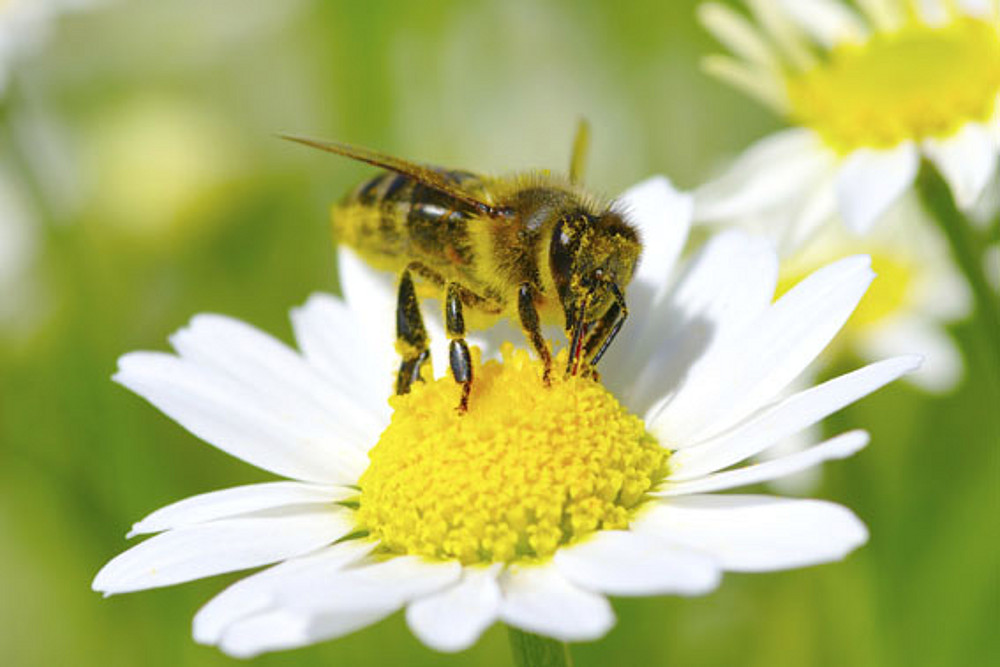
Biene auf Blume

Uni-MitarbeiterInnen unterstützen Zug um Zug Umweltprojekt der ÖBB

Die 4100 MitarbeiterInnen der Karl-Franzens-Universität Graz sind fleißige BahnfahrerInnen und damit nachhaltige Bedienstete – das bestätigt auch die ÖBB. Insgesamt 45,5 Tonnen Kohlendioxid wurden allein im Jahr 2014 durch dienstliche Bahnfahrten eingespart. Gleichzeitig werden mit den umweltfreundlichen Kilometern sogenannte Green Points gesammelt. Diese können in ausgewählte Naturprojekte der ÖBB investiert werden. Die Uni Graz tut dies entsprechend der profunden und anerkannten Forschungen über Bienen in das Projekt „Blühende Landschaften“ und unterstützt somit die Errichtung von Wildbienen- und Nützlingshotels auf ÖBB-Areal. Auf diese Weise hat die Uni Graz bereits mehr als 290.000 Punkte zusammengetragen. >> Mehr Infos zum Projekt
Die Green Points können übrigens auch auf privaten Zugfahrten gesammelt und diesem Naturprojekt zur Verfügung gestellt werden.

Ökologisches Bewusstsein, weniger Emissionen, mehr Nachhaltigkeit: Diesen Aspekten fühlt sich die Karl-Franzens-Universität Graz in Forschung, Lehre und Management verpflichtet. Der Schwerpunkt „Umwelt und globaler Wandel“ bündelt die wissenschaftlichen Aktivitäten in diesem hochaktuellen Bereich. Interdisziplinäre Studienangebote nehmen die globalen Herausforderungen an und verbinden fächerübergreifende Aspekte, um den vernetzten Zusammenhängen in Umweltsystemen näherzukommen.

Foto: ÖBB

created by Andreas Schweiger

Related news

Diversity buddies at the University of Graz: Support on equal terms

The University of Graz is strengthening its commitment to equal opportunities with its new Diversity Buddies. University members can find easily accessible contact persons here for questions relating to equality and diversity. All employees can get involved and take action.

When parents find it difficult to have a say

In her dissertation, translation scholar Marie Tschurtschenthaler examines how communication between compulsory schools and parents whose first language is not German works – and what role professional language mediation plays in this. Initial insights show that it is not just about language, but also about resources, responsibilities and the institutional framework.

AI in schools: Maria Bertel drafts legal guidelines for teachers

The legal expert and her team analysed the legal situation regarding the use of artificial intelligence in education as part of an EU project and answered open questions from practice.

Cosmetics in the environment: University of Graz proves danger to ants

Titanium dioxide, which is found in cosmetics, for example, is increasingly entering the environment in the form of nanoparticles. This could also put insects at risk. If ants ingest the substance in combination with the pesticide glyphosate, it disturbs the development of their offspring. Scientists at the University of Graz are drawing attention to the negative consequences of this toxic cocktail.

Begin of page section:
Additional information:

University of Graz
Universitaetsplatz 3
8010 Graz
Austria
  • Contact
  • Web Editors
  • Moodle
  • UNIGRAZonline
  • Imprint
  • Data Protection Declaration
  • Accessibility Declaration
Weatherstation
Uni Graz

End of this page section. Go to overview of page sections

End of this page section. Go to overview of page sections

Begin of page section:

End of this page section. Go to overview of page sections