



Begin of page section:
Page sections:

  • Go to contents (Accesskey 1)
  • Go to position marker (Accesskey 2)
  • Go to main navigation (Accesskey 3)
  • Go to sub navigation (Accesskey 4)
  • Go to additional information (Accesskey 5)
  • Go to page settings (user/language) (Accesskey 8)
  • Go to search (Accesskey 9)

End of this page section. Go to overview of page sections

Begin of page section:
Page settings:

English en
Deutsch de
Search
Login

End of this page section. Go to overview of page sections

Begin of page section:
Search:

Search for details about Uni Graz
Close

End of this page section. Go to overview of page sections


Search

Begin of page section:
Main navigation:

Page navigation:

  • University

    University
    • About the University
    • Organisation
    • Faculties
    • Library
    • Working at University of Graz
    • Campus
    Developing solutions for the world of tomorrow - that is our mission. Our students and our researchers take on the great challenges of society and carry the knowledge out.
  • Research Profile

    Research Profile
    • Our Expertise
    • Research Questions
    • Research Portal
    • Promoting Research
    • Research Transfer
    • Ethics in Research
    • Commission for Scientific Integrity
    Scientific excellence and the courage to break new ground. Research at the University of Graz creates the foundations for making the future worth living.
  • Studies

    Studies
    • Prospective Students
    • Students
  • Community

    Community
    • International
    • Location
    • Research and Business
    • Alumni
    The University of Graz is a hub for international research and brings together scientists and business experts. Moreover, it fosters the exchange and cooperation in study and teaching.
  • Spotlight
Topics
  • Sustainable University
  • Researchers answer
  • Work for us
Close menu

End of this page section. Go to overview of page sections

Begin of page section:
You are here:

University of Graz News Gefragte Expertise

End of this page section. Go to overview of page sections

Wednesday, 25 April 2018

Gefragte Expertise

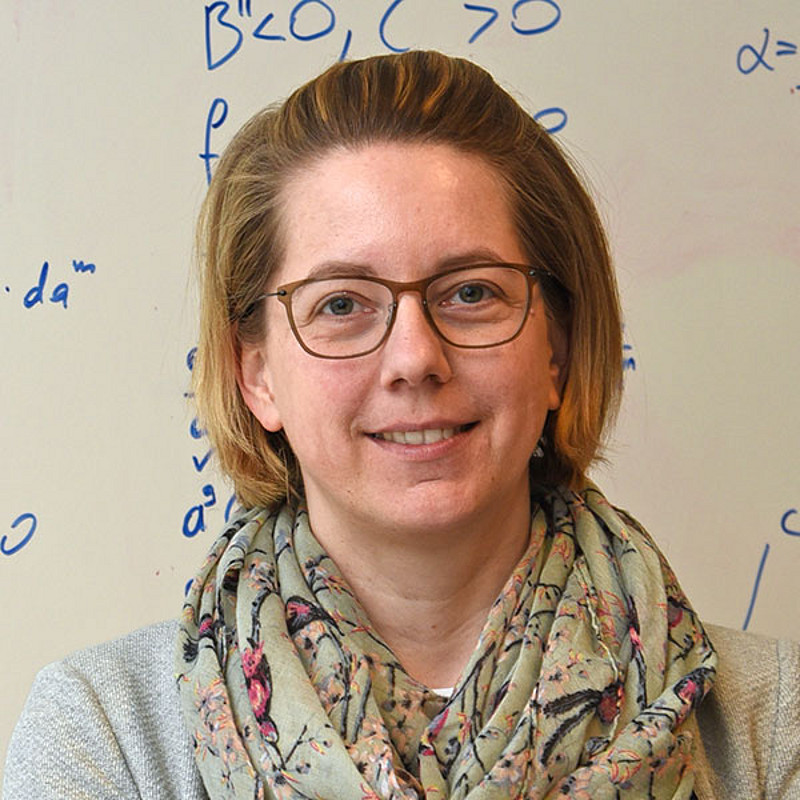
Birgit Bednar-Friedl. Foto: Uni Graz/Pichler ©Uni Graz/Pichler

Birgit Bednar-Friedl untersucht die Auswirkungen des Klimawandels auf Wirtschaft und Gesellschaft. Foto: Uni Graz/Pichler

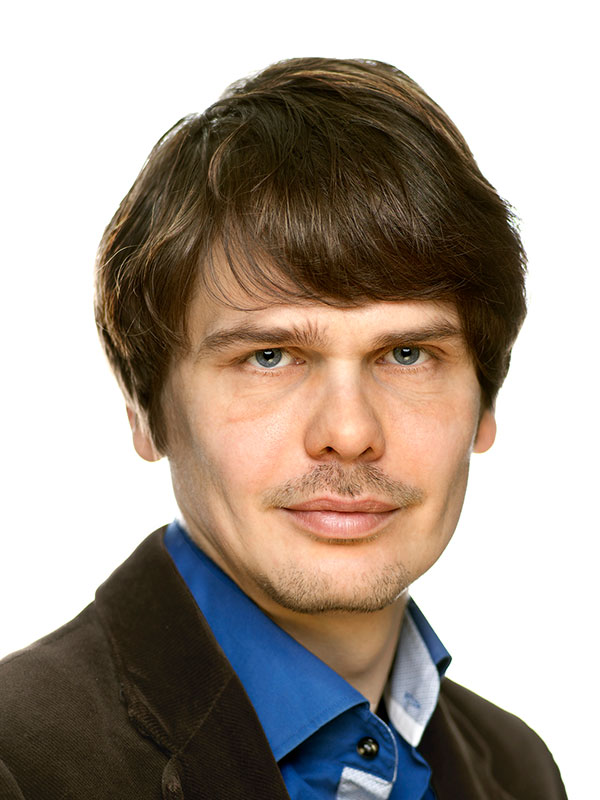
Douglas Maraun. Foto: Heike Marie Krause

Douglas Maraun forscht zum regionalen Klimawandel unter Anwendung statistischer Methoden. Foto: Heike Marie Krause

Zwei ForscherInnen der Uni Graz als AutorInnen für den neuen Weltklimabericht ausgewählt

Zum sechsten Mal hat der Weltklimarat IPCC (Intergovernmental Panel on Climate Change) der Vereinten Nationen internationale ExpertInnen beauftragt, einen Sachstandsbericht zum Klimawandel zu verfassen. Dieser dient den Staaten als Grundlage für klimapolitische Entscheidungen und soll insbesondere die globale Bestandsaufnahme bezüglich der Erfüllung des Pariser Klimaabkommens im Jahr 2023 unterstützen. Aus den weltweit 2858 nominierten WissenschafterInnen aus 108 Ländern wählte das IPCC 721 für die Mitarbeit an der aktuellen Ausgabe aus. Unter ihnen zwei ExpertInnen der Karl-Franzens-Universität Graz: die Volkswirtin Assoz. Prof. Dr. Bednar-Friedl und den Klimaforscher Assoz. Prof. Dr. Douglas Maraun.

Zweck des IPCC-Berichts ist es, einen Überblick über den aktuellen Stand der Klimaforschung zu geben. Seine drei Bände befassen sich mit den physikalisch-wissenschaftlichen Grundlagen (1), Folgen, Verwundbarkeit und Anpassung (2) sowie Maßnahmen zur Minderung des Klimawandels (3). Die sechste Ausgabe soll im Frühjahr 2021 erscheinen.
Birgit Bednar-Friedl ist als Koordinierende Leitautorin für das Kapitel zu regionalen Klimafolgen in Europa im zweiten Band des Sachstandsberichts verantwortlich. Die Volkswirtin befasst sich an der Universität Graz als Ko-Leiterin der Forschungsgruppe EconClim mit den sozioökonomischen Aspekten des Klima- und Umweltwandels. Dabei untersucht sie dessen Auswirkungen für Wirtschaft und Gesellschaft und inwieweit Anpassungsstrategien diese Folgen reduzieren können.

Douglas Maraun wird als einer der Leitautoren des Kapitels zu den Verbindungen zwischen globalem und regionalem Klimawandel in Band 1 arbeiten. Am Wegener Center leitet er die Forschungsgruppe Reloclim, die Prozesse des regionalen Klimawandels, insbesondere Extremwetterereignisse, untersucht. In seinen jüngsten Publikationen widmet sich der Wissenschafter der Evaluierung von regionalen Klimamodellen unter Anwendung statistischer Methoden.

Die Klimaforschung der Universität Graz genießt international ein hohes Renommee. WissenschafterInnen aus verschiedenen Disziplinen arbeiten am Wegener Center für Klima und Globalen Wandel und im FWF-Doktoratskolleg „DK Klimawandel“ zusammen. Die Mitwirkung von Birgit Bednar-Friedl und Douglas Maraun am sechsten Weltklimabericht unterstreicht einmal mehr die Bedeutung dieses Forschungsbereichs an der Karl-Franzens-Universität.


created by Gudrun Pichler

Related news

Career Booster: How the Research Careers Campus supports researchers

They are innovative, creative and productive – researchers who have not yet been appointed to a professorship make a massive contribution to a university’s research output. To provide them with even better support on their career path, the University of Graz has established the Research Careers Campus. The official launch took place on 22 April 2026 with a ‘festival’.

Greenery on the rise: over 500 new flowers, perennials and shrubs on campus

Bright blooms and fresh greenery make our hearts beat faster in spring. But it is not just us humans who delight in this colourful growth. For many animals, this splendour provides, above all, food and habitat. There has recently been an increase in this on the University of Graz campus. More than 500 native flowers, perennials and shrubs have been planted on strips of fallow land around Universitätsplatz 2.

Building biological bridges: Chemist discovers an ecological tool for the pharmaceutical industry

Building a relationship on a solid foundation is also important in chemistry. To produce medicines, disinfectants or plant protection products, stable bonds between carbon atoms must be formed. Conventional chemical methods rely on environmentally harmful reagents and solvents to carry out the desired reaction. This process also produces unusable by-products. Chemist Lilla Gal has discovered an enzyme that enables the same process to take place efficiently and sustainably. The results of her research were recently published in the prestigious journal Angewandte Chemie.

Higher Education Strategy 2040: Austria’s universities on course for the future

Austria has 77 higher education institutions, which is above the EU average – but does this really make sense? The new Higher Education Strategy 2040 focuses on cooperation rather than mergers. As one of the six largest universities in Austria, the University of Graz plays a central role in this.

Begin of page section:
Additional information:

University of Graz
Universitaetsplatz 3
8010 Graz
Austria
  • Contact
  • Web Editors
  • Moodle
  • UNIGRAZonline
  • Imprint
  • Data Protection Declaration
  • Accessibility Declaration
Weatherstation
Uni Graz

End of this page section. Go to overview of page sections

End of this page section. Go to overview of page sections

Begin of page section:

End of this page section. Go to overview of page sections

