



Begin of page section:
Page sections:

  • Go to contents (Accesskey 1)
  • Go to position marker (Accesskey 2)
  • Go to main navigation (Accesskey 3)
  • Go to sub navigation (Accesskey 4)
  • Go to additional information (Accesskey 5)
  • Go to page settings (user/language) (Accesskey 8)
  • Go to search (Accesskey 9)

End of this page section. Go to overview of page sections

Begin of page section:
Page settings:

English en
Deutsch de
Search
Login

End of this page section. Go to overview of page sections

Begin of page section:
Search:

Search for details about Uni Graz
Close

End of this page section. Go to overview of page sections


Search

Begin of page section:
Main navigation:

Page navigation:

  • University

    University
    • About the University
    • Organisation
    • Faculties
    • Library
    • Working at University of Graz
    • Campus
    Developing solutions for the world of tomorrow - that is our mission. Our students and our researchers take on the great challenges of society and carry the knowledge out.
  • Research Profile

    Research Profile
    • Our Expertise
    • Research Questions
    • Research Portal
    • Promoting Research
    • Research Transfer
    • Ethics in Research
    • Commission for Scientific Integrity
    Scientific excellence and the courage to break new ground. Research at the University of Graz creates the foundations for making the future worth living.
  • Studies

    Studies
    • Prospective Students
    • Students
    • Registration for Study Programme (Winter semester 2026/27)
    • Study Days 22-26 June 2026
  • Community

    Community
    • International
    • Location
    • Research and Business
    • Alumni
    The University of Graz is a hub for international research and brings together scientists and business experts. Moreover, it fosters the exchange and cooperation in study and teaching.
Topics
  • Sustainable University
  • Researchers answer
  • Work for us
Close menu

End of this page section. Go to overview of page sections

Begin of page section:
You are here:

University of Graz News Fit im Alltag

End of this page section. Go to overview of page sections

Tuesday, 02 February 2021

Fit im Alltag

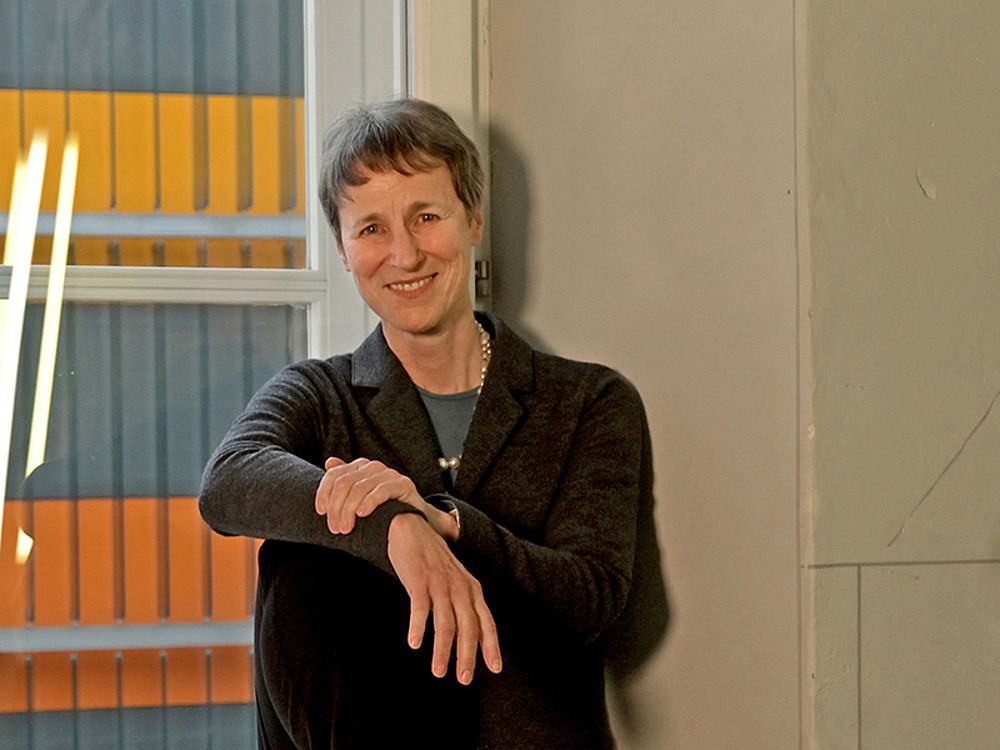
Die Beine in die Hand nehmen, auch im Büroalltag: Sylvia Titze rät zu mehr Bewegungseinheiten. Foto: Uni Graz/Tzivanopoulos

Die Beine in die Hand nehmen, auch im Büroalltag: Sylvia Titze rät zu mehr Bewegungseinheiten. Foto: Uni Graz/Tzivanopoulos

Dem Tod von der Schippe springen – das sollte man buchstäblich. Sylvia Titze, als Public-Health-Expertin auch Österreichs Vertreterin in einer internationalen Forschungsgemeinschaft, zeigt auf, wie Bewegung der Gesundheit hilft.

Knapp acht Prozent der Todesfälle waren in Österreich vor der Corona-Pandemie auf mangelnde körperliche Betätigung zurückzuführen. Wie wir unsere Gesundheit besser in Schuss bringen und welche Förderstrategien dafür sinnvoll sind, erforscht Sylvia Titze vom Institut für Bewegungswissenschaften, Sport und Gesundheit. Sie ist gemeinsam mit ihrem Wiener Kollegen Thomas Dorner Mitglied im internationalen „Global Observatory for Physical Activity“ (GoPA), das soeben in einer zweiten Auflage aktuelle Bewegungskarten für 162 Länder weltweit publiziert hat, auch für Österreich.

Nur 47 Prozent der Erwachsenen kommen laut der Erhebung auf die von der WHO empfohlenen 150 Minuten mäßiger Aktivität pro Woche, 2014 waren es noch 49 Prozent. „Eine Besprechung bei einem Spaziergang in der Natur, ein kurzer Fußmarsch ins Büro, weil man schon eine Station vor der nächstgelegenen Haltestelle ausgestiegen ist, oder womöglich der Umstieg vom Auto aufs Fahrrad sind einfache Möglichkeiten, in den arbeitsintensiven Alltag zusätzliche Bewegungseinheiten einzubauen“, zählt Sylvia Titze auf. Was sonst noch hilfreich wäre, berichtet sie in der aktuellen Ausgabe der Unizeit.

Gesundheit & Forschung
Das Global Observatory for Physical Activity ist eine internationale unabhängige Plattform von derzeit 162 Ländern, die die aktuellsten nationalen Daten in Bezug auf das Bewegungsverhalten der Bevölkerung sowie staatliche Initiativen, dieses zu fördern beziehungsweise zu beobachten, erhebt. Daraus werden unter anderem die Bewegungskarten erstellt. „Für Österreich ist das ein zunehmend wichtiger werdendes Instrument, weil sich die Entwicklung der Fördermaßnahmen verfolgen lässt und sie einen Anreiz bieten, im internationalen Vergleich besser zu werden“, fasst Titze zusammen. Über das GoPA bietet sich darüber hinaus die Möglichkeit für wissenschaftliche Kooperationen.
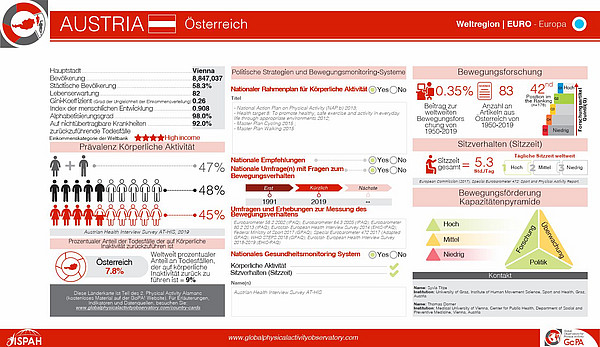
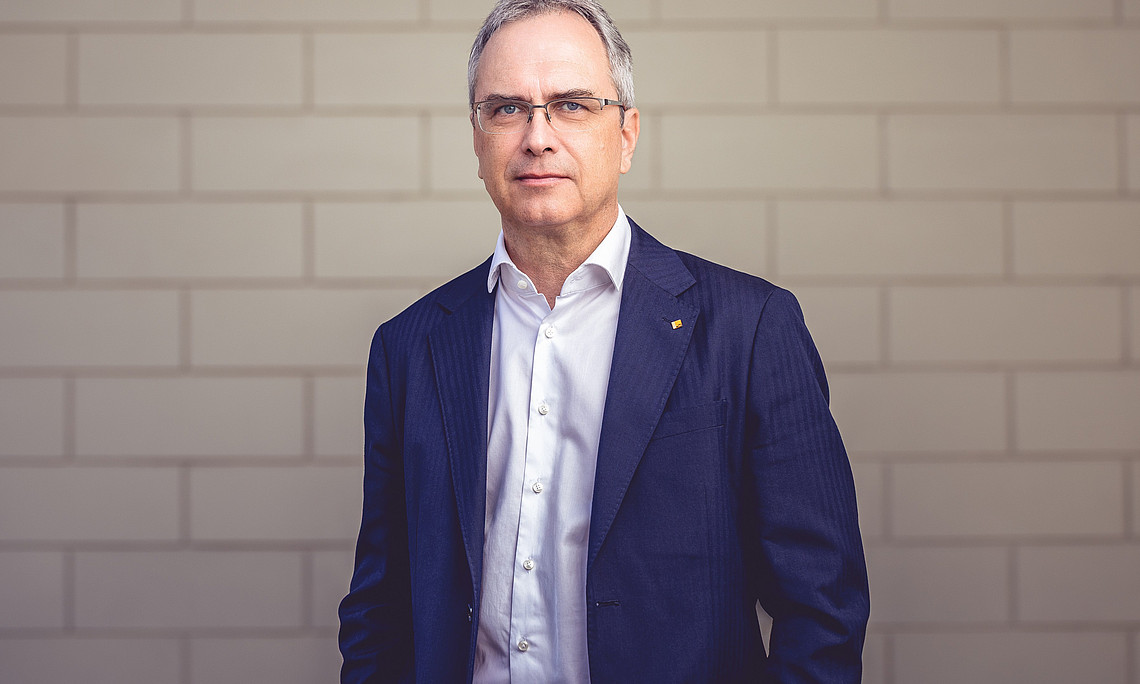
 

Die aktuelle österreichische Bewegungskarte, erstellt von Sylvia Titze und Thomas Dorner
created by Dagmar Eklaude

Related news

Staying fit during the holidays: summer sports on the University of Graz campus

The Kleeblattlauf is not the end of the fitness term. Following last year’s successful launch, the University of Graz is once again offering summer sports on campus this year. From 30 June to 16 July 2026, there will be a free exercise programme in the open air. On the shady Südwiese (between the main building and Universitätsplatz 2), anyone interested can get in shape in the afternoons with body workouts, fascia training and yoga.

Getting even hotter: Researchers predict global warming of 1.7 degrees by 2027

While Europe is currently sweltering in the heat, global temperatures are also rising towards concerning record levels. In 2026, Earth’s surface air temperature is expected to reach 1.62 degrees, and in 2027 even 1.71 degrees Celsius above pre-industrial levels. The long-term temperature rise – an average over a 20-year period – is predicted to exceed the 1.5-degree threshold of the Paris Agreement as of 2026 already. For the first time, researchers at the University of Graz have been able to make such a forecast so far in advance. The intensifying El Niño climate event favors forecast skill and thereby facilitates a reliable computation.

Forest fire at Rosenhain: Volunteer fire brigade carried out an evacuation drill at the Jesuit refectory

Thick smoke in the stairwell, flames at the edge of the forest, people missing in the Jesuit refectory at the University of Graz: at Rosenhain, the Graz Volunteer Fire Brigade carried out a drill simulating a scenario that is becoming increasingly realistic given the heat and drought

Full effort in the heat: the Sports Centre was in full swing at the Kleeblattlauf

On 19 June 2026, 2,000 runners and hundreds of supporters made their way to the Rosenhain for a sporting end-of-term event.

Begin of page section:
Additional information:

University of Graz
Universitaetsplatz 3
8010 Graz
Austria
  • Contact
  • Web Editors
  • Moodle
  • UNIGRAZonline
  • Imprint
  • Data Protection Declaration
  • Accessibility Declaration
Weatherstation
Uni Graz

End of this page section. Go to overview of page sections

End of this page section. Go to overview of page sections

Begin of page section:

End of this page section. Go to overview of page sections


