Begin of page section:
Page sections:

  • Go to contents (Accesskey 1)
  • Go to position marker (Accesskey 2)
  • Go to main navigation (Accesskey 3)
  • Go to sub navigation (Accesskey 4)
  • Go to additional information (Accesskey 5)
  • Go to page settings (user/language) (Accesskey 8)
  • Go to search (Accesskey 9)

End of this page section. Go to overview of page sections

Begin of page section:
Page settings:

English en
Deutsch de
Search
Login

End of this page section. Go to overview of page sections

Begin of page section:
Search:

Search for details about Uni Graz
Close

End of this page section. Go to overview of page sections


Search

Begin of page section:
Main navigation:

Page navigation:

  • University

    University
    • About the University
    • Organisation
    • Faculties
    • Library
    • Working at University of Graz
    • Campus
    Developing solutions for the world of tomorrow - that is our mission. Our students and our researchers take on the great challenges of society and carry the knowledge out.
  • Research Profile

    Research Profile
    • Our Expertise
    • Research Questions
    • Research Portal
    • Promoting Research
    • Research Transfer
    • Ethics in Research
    • Commission for Scientific Integrity
    Scientific excellence and the courage to break new ground. Research at the University of Graz creates the foundations for making the future worth living.
  • Studies

    Studies
    • Prospective Students
    • Students
    • Registration for Study Programme (Winter semester 2026/27)
    • Study Days 22-26 June 2026
  • Community

    Community
    • International
    • Location
    • Research and Business
    • Alumni
    The University of Graz is a hub for international research and brings together scientists and business experts. Moreover, it fosters the exchange and cooperation in study and teaching.
Topics
  • Sustainable University
  • Researchers answer
  • Work for us
Close menu

End of this page section. Go to overview of page sections

Begin of page section:
You are here:

University of Graz News Fit bis 100

End of this page section. Go to overview of page sections

Wednesday, 28 March 2018

Fit bis 100

Logo der Langen Nacht der Forschung

Am 13. April 2018 öffnen in ganz Österreich Forschungseinrichtungen ihre Tore. Logo: Lange Nacht der Forschung

Molekulare Hintergründe des Alterns und Anti-Aging-Strategien erklären ForscherInnen in der Langen Nacht der Forschung an der Uni Graz. Foto: transurfer/Fotolia.com ©©transurfer - stock.adobe.com

Molekulare Hintergründe des Alterns und Anti-Aging-Strategien erklären ForscherInnen in der Langen Nacht der Forschung an der Uni Graz. Foto: transurfer/Fotolia.com
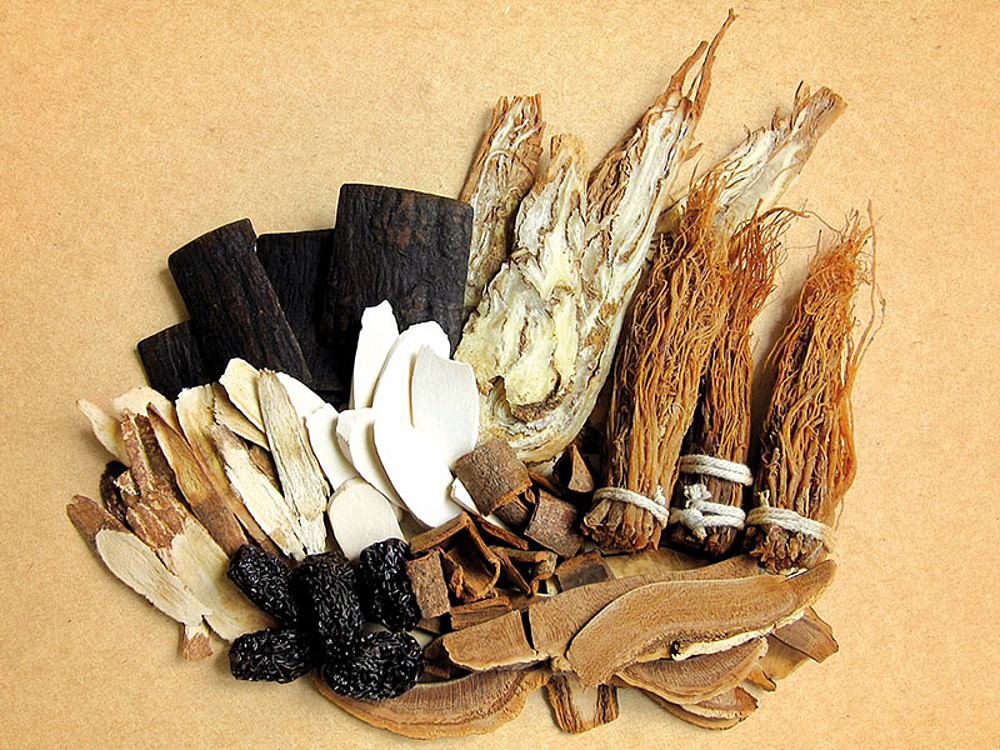
Ebenfalls zu erfahren ist, wie Heilkräuter der Traditionellen Chinesischen Medizin, darunter Ginseng, Zimtbaumrinde und Purpurkrautwurzel, aussehen, riechen und wirken. Foto: pixabay

Ebenfalls zu erfahren ist, wie Heilkräuter der Traditionellen Chinesischen Medizin, darunter Ginseng, Zimtbaumrinde und Purpurkrautwurzel, aussehen, riechen und wirken. Foto: pixabay

Die Uni Graz präsentiert in der Langen Nacht der Forschung am 13. April Wissenschaft rund um unsere Gesundheit

Kann man langsamer altern? Welche Ernährung ist gesund? Und wie wirkt eigentlich die Traditionelle Chinesische Medizin? Diese und noch viele weitere spannende Fragen beantworten WissenschafterInnen der Karl-Franzens-Universität am Freitag, den 13. April 2018 von 17 bis 23 Uhr in der Langen Nacht der Forschung, die diesmal an der Uni Graz unter dem Motto „Fit bis 100 – gesund geforscht“ steht.

Hauptstandort Zentrum für Molekulare Biowissenschaften
An neun Stationen im Zentrum für Molekulare Biowissenschaften sind die BesucherInnen eingeladen, sich schlau zu machen, wie sie ihre Chancen auf ein langes, gutes Leben erhöhen können und was die Forschung dazu leistet. Dabei sind sie auch zum Mitmachen eingeladen, wie etwa zum Testen von Kraft, Gleichgewicht und Herzfrequenz. Die Stationen bieten sowohl für Erwachsene als auch Jugendliche und Kinder ein lehrreiches und unterhaltsames Programm. Drei Kurzvorträge vertiefen das Wissen auf allgemein verständliche Weise.

Botanischer Garten
Gesunde Nahrung in Form von Obst und Gemüse steht an der Station im Botanischen Garten im Mittelpunkt. Dabei geht es vor allem um die Herkunft von Apfel, Salat und Co. Die BesucherInnen erfahren, wie aus wilden Gewächsen Kulturpflanzen wurden, welche Sorten es gibt und wie sie an Klima und kulinarische Bedürfnisse angepasst sind. Kurzvorträge und Glashausführungen stehen ebenfalls auf dem Programm.

UniGraz@Museum
Gesundheit verbindet sich im UniGraz@Museum mit Umweltbewusstsein und Kreativität. In Kooperation mit der KinderUniGraz sind große und kleine Gäste eingeladen, phantasievolle vegetarische Brötchen zu gestalten. Die besten in den Veggie-Workshops entstandenen Kunstwerke werden mit Sachpreisen belohnt und können selbstverständlich auch aufgegessen werden.

Haus der Wissenschaft
Die fiebernde Erde stellt das Haus der Wissenschaft in den Mittelpunkt. In der interaktiven Ausstellung dreht sich alles um den Klimawandel, vor allem um die Erderwärmung. Besonders spannend ist es für Kinder und Jugendliche, mit Robotern die „Heißzeit“ zu erfahren, im Klima-Archiv Daten zu sammeln oder den CO2-Anstieg in der Atmosphäre zu verfolgen.

Observatorium Lustbühel
Gibt es Planeten außerhalb unseres Sonnensystems? Wie sich solche Exoplaneten entdecken lassen, erklären AstrophysikerInnen am Observatorium Lustbühel. Bei gutem Wetter können die BesucherInnen selbst mit Teleskopen den Himmel beobachten und die Faszination des Weltraums erleben.

>> mehr Informationen zu den einzelnen Standorten und Stationen der Uni Graz

created by Gudrun Pichler

Related news

Full effort in the heat: the Sports Centre was in full swing at the Kleeblattlauf

On 19 June 2026, 2,000 runners and hundreds of supporters made their way to the Rosenhain for a sporting end-of-term event.

Save, invest or guarantee: What Austrians expect from the state

Austria needs to make savings. But where? And what should the Republic actually be spending its money on? The answers are provided by the initial findings of a major study involving the University of Graz. 99 per cent of those surveyed are in favour of the state ensuring healthcare provision. Almost three-quarters would like to see more public funding for education, whilst only around three per cent are in favour of cuts in this sector.

Complying with the norm: Why Do Standards Shape Our Lives, Elisabeth Staudegger?

Standards determine whether a sheet of paper fits in a printer or whether a charging plug can power multiple devices. These standards shape our everyday lives. But who actually sets these standards? Where are the weaknesses, and how could science help to improve them? Elisabeth Staudegger, Head of the ‘Law and IT’ Department at the Institute for Legal Foundations at the University of Graz, host the Academic Standards Day on 16 June. Here she relays how sciences can contribute to the topic of standardisation and reveals her personal favourite standard.

More body awareness than a culture war

In Italy, sex education lessons will in future only be permitted with parental consent, and will be banned entirely in nurseries and primary schools. At the same time, Pride Month highlights why knowledge about the body, relationships, boundaries and diversity is important for young people. A study by the University of Graz shows how important knowledge about the body, contraception, relationship skills and protection against violence is

Begin of page section:
Additional information:

University of Graz
Universitaetsplatz 3
8010 Graz
Austria
  • Contact
  • Web Editors
  • Moodle
  • UNIGRAZonline
  • Imprint
  • Data Protection Declaration
  • Accessibility Declaration
Weatherstation
Uni Graz

End of this page section. Go to overview of page sections

End of this page section. Go to overview of page sections

Begin of page section:

End of this page section. Go to overview of page sections