Begin of page section:
Page sections:

  • Go to contents (Accesskey 1)
  • Go to position marker (Accesskey 2)
  • Go to main navigation (Accesskey 3)
  • Go to sub navigation (Accesskey 4)
  • Go to additional information (Accesskey 5)
  • Go to page settings (user/language) (Accesskey 8)
  • Go to search (Accesskey 9)

End of this page section. Go to overview of page sections

Begin of page section:
Page settings:

English en
Deutsch de
Search
Login

End of this page section. Go to overview of page sections

Begin of page section:
Search:

Search for details about Uni Graz
Close

End of this page section. Go to overview of page sections


Search

Begin of page section:
Main navigation:

Page navigation:

  • University

    University
    • About the University
    • Organisation
    • Faculties
    • Library
    • Working at University of Graz
    • Campus
    Developing solutions for the world of tomorrow - that is our mission. Our students and our researchers take on the great challenges of society and carry the knowledge out.
  • Research Profile

    Research Profile
    • Our Expertise
    • Research Questions
    • Research Portal
    • Promoting Research
    • Research Transfer
    • Ethics in Research
    • Commission for Scientific Integrity
    Scientific excellence and the courage to break new ground. Research at the University of Graz creates the foundations for making the future worth living.
  • Studies

    Studies
    • Prospective Students
    • Students
    • Welcome Weeks for First Year Students
  • Community

    Community
    • International
    • Location
    • Research and Business
    • Alumni
    The University of Graz is a hub for international research and brings together scientists and business experts. Moreover, it fosters the exchange and cooperation in study and teaching.
Topics
  • Sustainable University
  • Researchers answer
  • Work for us
Close menu

End of this page section. Go to overview of page sections

Begin of page section:
You are here:

University of Graz News Ein MOOC fürs smarte Graz

End of this page section. Go to overview of page sections

Friday, 09 October 2015

Ein MOOC fürs smarte Graz

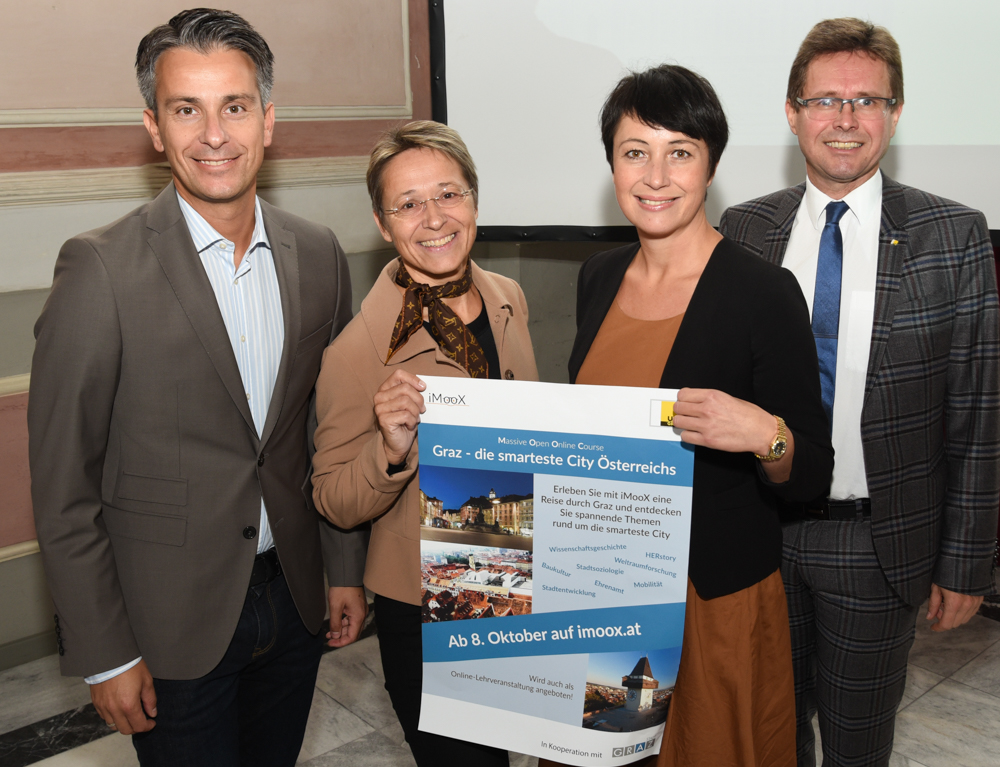
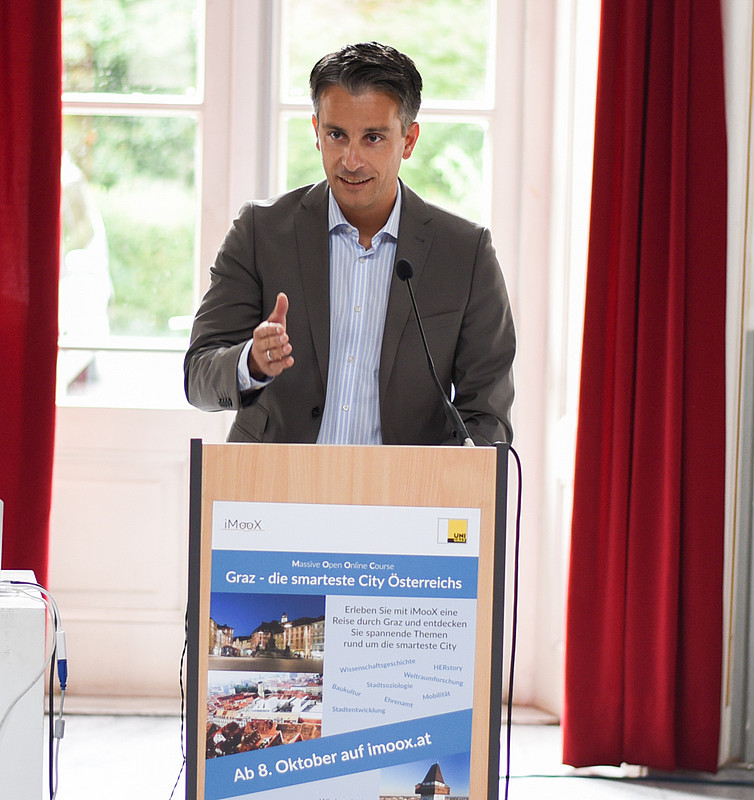
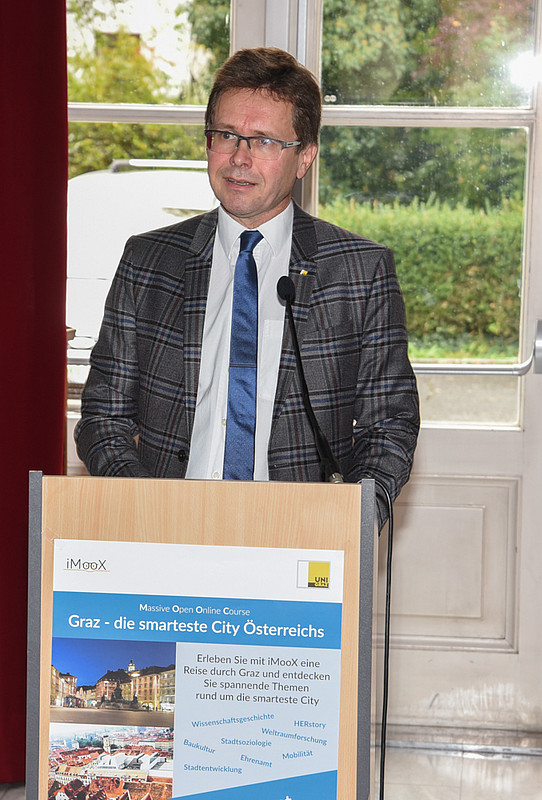
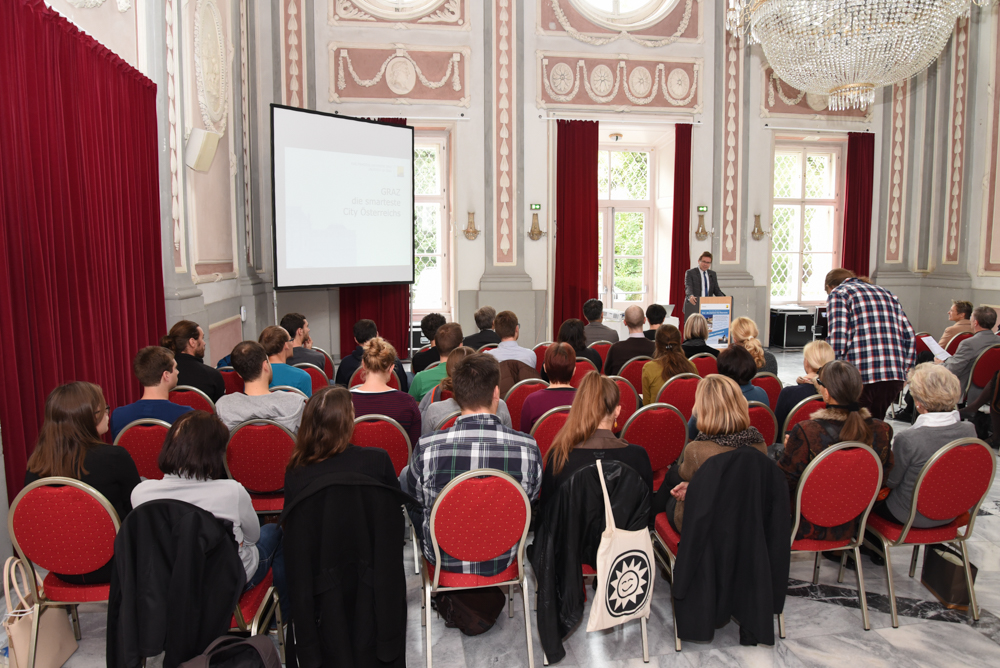
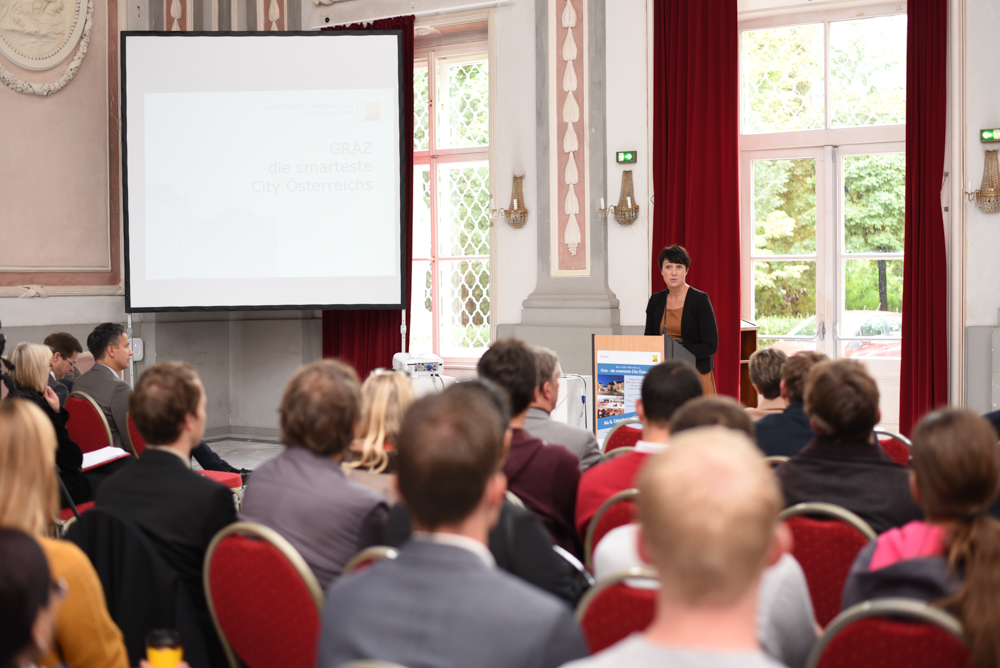
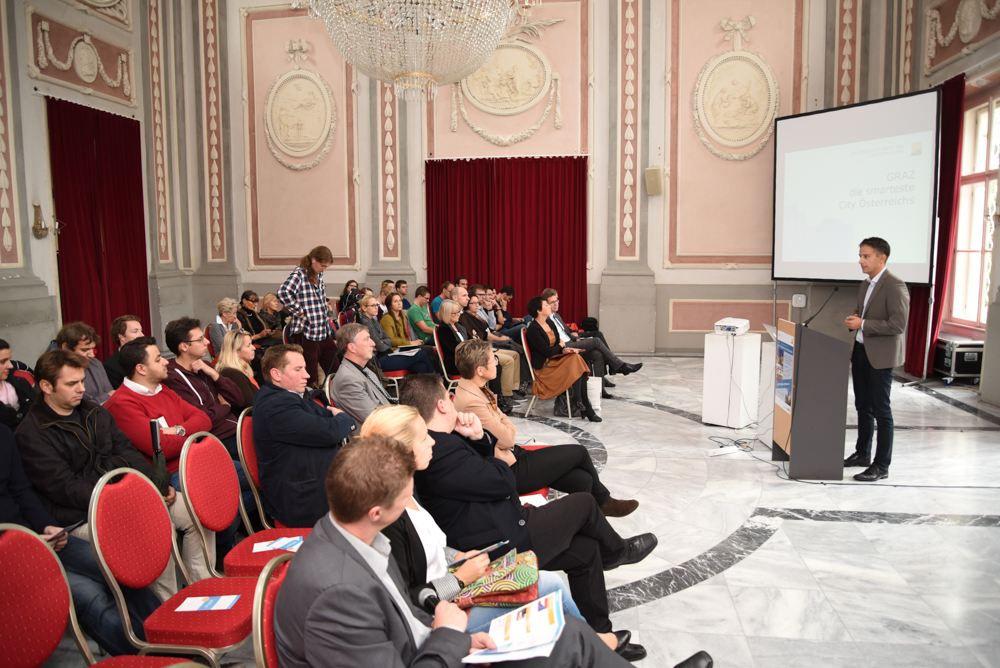
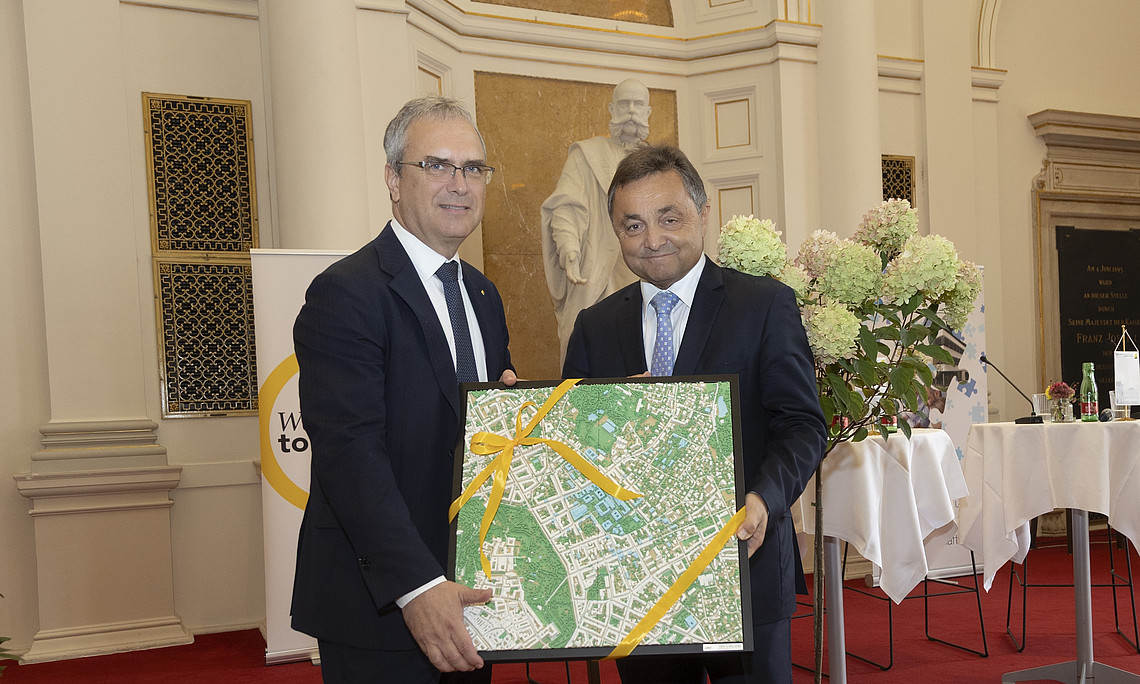
Auftakt für den MOOC-Reigen: Stadtrat Kurt Hohensinner, Rechtswissenschafterin Anita Ziegerhofer, Vizebrürgermeisterin Martina Schröck und Vizerektor Martin Polaschek freuen sich über den gemeinseamen Graz-MOOC. Fotos: Uni Graz/Tzivanopoulos

Auftakt für den MOOC-Reigen: Stadtrat Kurt Hohensinner, Rechtswissenschafterin Anita Ziegerhofer, Vizebrürgermeisterin Martina Schröck und Vizerektor Martin Polaschek freuen sich über den gemeinseamen Graz-MOOC. Fotos: Uni Graz/Tzivanopoulos

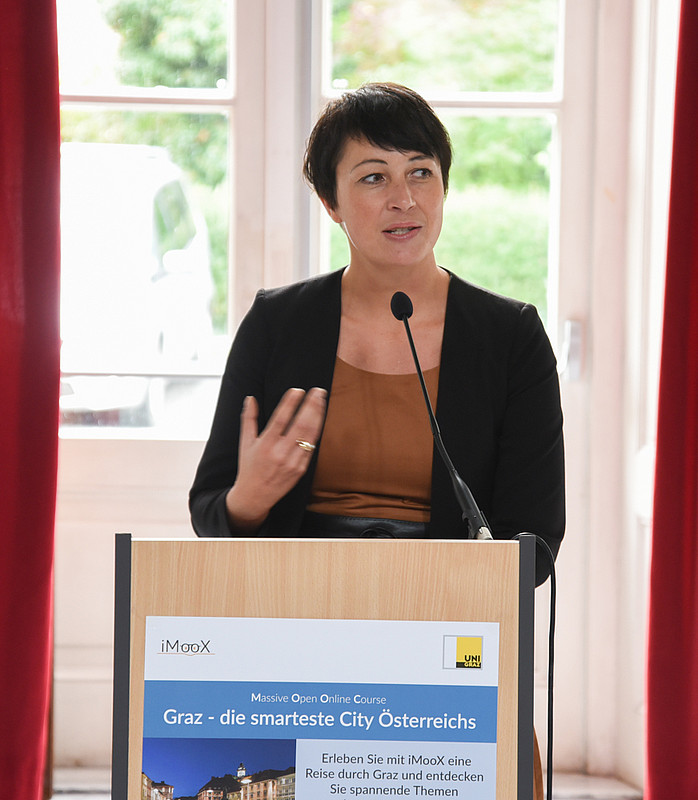
Wir leben in einer gemütlichen Stadt und pulsierenden Metropole, erklärte Schröck in ihren Begrüßungsworten.

Wir leben in einer gemütlichen Stadt und pulsierenden Metropole, erklärte Schröck in ihren Begrüßungsworten.

Stadtrat Kurt Hohensinner unterstrich die Bedeutung von MOOCs für die Bildung.

Stadtrat Kurt Hohensinner unterstrich die Bedeutung von MOOCs für die Bildung.

Vizerektor Martin Polaschek, zuständig für Studium und Lehre an der Uni Graz, freute sich über die Initiative und hob die Bedeutung der Universität als moderne Wissensvermittlerin hervor.

Vizerektor Martin Polaschek, zuständig für Studium und Lehre an der Uni Graz, freute sich über die Initiative und hob die Bedeutung der Universität als moderne Wissensvermittlerin hervor.

Gemeinsam mit Imoox stellt die Uni Graz in einer Online-Lehrveranstaltung die Landeshauptstadt ins Rampenlicht.

Graz als lebenswerte, gemütliche, innovative, pulsierende Uni-Stadt und Metropole: Mit diesen Prädikaten, die der steirischen Landeshauptstadt gestern verliehen wurden, eröffneten die Vizebürgermeisterin der Stadt Graz, Dr. Martina Schröck, Stadtrat Kurt Hohensinner, MBA sowie Vizerektor Martin Polaschek den Reigen an Online-Kursen (MOOCs) mit dem klingenden Titel "Graz - die smarteste City Österreichs". Ab sofort wird in acht Kapiteln gezeigt, was Graz so alles kann und drauf hat. Die Module werden wöchentlich aktualisiert und sind dann auf der Plattform www.imoox.at verfügbar. Der inhaltliche Bogen spannst sich von der Wissenschaftsgeschichte über die Architektur bis hin zur Nachhaltigen Mobilität und Weltraumforschung. Entworfen und realisiert werden die MOOCS vom Team rund um die Organisatoren Dr. Michael Kopp sowie Klaus Hatzl von der Akademie für Neue Medien und Wissenstransfer an der Uni Graz.

Vor allem das universtäre Motto "Bildung für alle" steht im Mittelpunkt des Onlinekurses; können doch nicht nur Studierende, sondern auch die breite (Grazer-)Bevölkerung die Lehrveranstaltung im Internet kostenlos besuchen. "Ich bin stolz sagen zu dürfen, dass wir es als erste Universität österreichweit geschafft haben, so einen Massive-Open-Online-Course in Kooperation mit unserer Heimatstadt anzubieten", hebt Vizerektor Polaschek die Initiative besonders hervor. Auch Vizebürgermeisterin Schröck und Stadtrat Hohensinner zeigten sich von der "Idee, die Universität und Wissenschaft für alle zu öffnen", begeistert.

Die smarte Stadt in acht Kapiteln
Jeweils einmal in der Woche werden die Kurskapitel freigeschaltet. Dabei können die KursteilnehmerInnen ihre Stadt aus unterschiedlichen Blickwinkeln kennenlernen.

Kapitel 1: Wissenschaftsgeschichte (Start: 8.10.2015)
Kapitel 2: Frauen-Stadtgeschichte Graz – Her-Story (Start: 14.10.2015)
Kapitel 3: Architektonische Baukultur (Start: 21.10.2015)
Kapitel 4: Stadtsoziologie (Start: 28.10.2015)
Kapitel 5: Ehrenamt in Graz (Start: 04.11.2015)
Kapitel 6: Smarte Stadtentwicklung (Start: 11.11.2015)
Kapitel 7: Nachhaltige Mobilität (Start: 18.11.2015)
Kapitel 8: Weltraumforschung (Start: 25.11.2015)

Nach erfolgreicher Absolvierung erhalten die TeilnehmerInnen ein Zertifikat der Universität Graz. Studierende können den Kurs auch als Online-Lehrveranstaltung absolvieren, die als freies Wahlfach angerechnet wird.


Ein bunter MOOC-Herbst

In Sachen MOOC startet die Universität Graz in diesem Herbst durch: Am 19. Oktober 2015 geht der Kurs "Österreich und die Europäische Union" online. Er beleuchtet die 20jährige Mitgliedschaft der Alpenrepublik im europäischen Bündnis. Ao. Univ.-Prof. Mag. Dr. Anita Ziegerhofer vom Institut für Österreichische Rechtsgeschichte und Europäische Rechtsentwicklung ist die wissenschaftliche Leiterin dieser Lehrveranstaltung.

Spannend wird es auch ab 27. Oktober 2015, wenn der Allgemeinmediziner Dr. Kurt Usar in die Welt von "Dr. Internet" eindringt und hinterfragt, wie sehr das Massenmedium unsere Selbstdiagnose und das Verständnis von Krankheiten beeinflusst und den Gang zum Arzt viellleicht in ferner Zukunft überflüssig macht. Alle Informationen zum Kursprogramm unter www.imoox.at.

created by Konstantinos Tzivanopoulos

Related news

Jurassic Sounds: Biologist reconstructs insect songs from 165 million years ago

It was apparently not just the roars of the dinosaurs that made up the soundscape of the animal world during the Jurassic period. Crickets and grasshoppers communicated through a variety of songs and high-pitched sounds, as Thorin Jonsson from the Institute of Biology at the University of Graz discovered together with colleagues from the universities of Lincoln, Bristol (UK), Beijing (China) and Tempe (USA). The findings on what are so far the oldest traces of sound on Earth have just been published in the journal PNAS.

EU funding boosts international exchange between universities

The University of Graz is further expanding its international study opportunities through the European university alliance Arqus and is taking the lead in two key projects. In future, students will benefit from even more joint degree programmes and from simplified recognition of academic achievements through the Joint European Degree Label.

Rescue and risks: Researchers have surveyed public perceptions of AI

The use of artificial intelligence has had to be made transparent since 2 August 2026. The EU’s AI Act, which has been in force since then, also sets out how risky an application is and which security measures apply as a result. However, the assessment of risks by the legislation differs in some cases significantly from the perceptions of the Austrian public. This is the finding of a representative study carried out by data scientist Stefan Thalmann from the University of Graz and his team.

The Healing Sea: Researchers discover new approaches to treating chronic inflammation in sponges

Chronic inflammation plays a key role in many diseases, ranging from metabolic disorders and cardiovascular diseases to tissue damage following injuries or infections. “Normally, the body is able to resolve inflammation on its own. If this process becomes unbalanced, immune cells remain permanently active and continue to drive negative changes in the tissue,” explains Andreas Koeberle, a pharmacist at the University of Graz.

Begin of page section:
Additional information:

University of Graz
Universitaetsplatz 3
8010 Graz
Austria
  • Contact
  • Web Editors
  • Moodle
  • UNIGRAZonline
  • Imprint
  • Data Protection Declaration
  • Accessibility Declaration
Weatherstation
Uni Graz

End of this page section. Go to overview of page sections

End of this page section. Go to overview of page sections

Begin of page section:

End of this page section. Go to overview of page sections