



Begin of page section:
Page sections:

  • Go to contents (Accesskey 1)
  • Go to position marker (Accesskey 2)
  • Go to main navigation (Accesskey 3)
  • Go to sub navigation (Accesskey 4)
  • Go to additional information (Accesskey 5)
  • Go to page settings (user/language) (Accesskey 8)
  • Go to search (Accesskey 9)

End of this page section. Go to overview of page sections

Begin of page section:
Page settings:

English en
Deutsch de
Search
Login

End of this page section. Go to overview of page sections

Begin of page section:
Search:

Search for details about Uni Graz
Close

End of this page section. Go to overview of page sections


Search

Begin of page section:
Main navigation:

Page navigation:

  • University

    University
    • About the University
    • Organisation
    • Faculties
    • Library
    • Working at University of Graz
    • Campus
    Developing solutions for the world of tomorrow - that is our mission. Our students and our researchers take on the great challenges of society and carry the knowledge out.
  • Research Profile

    Research Profile
    • Our Expertise
    • Research Questions
    • Research Portal
    • Promoting Research
    • Research Transfer
    • Ethics in Research
    • Commission for Scientific Integrity
    Scientific excellence and the courage to break new ground. Research at the University of Graz creates the foundations for making the future worth living.
  • Studies

    Studies
    • Prospective Students
    • Students
    • Registration for Study Programme (Winter semester 2026/27)
  • Community

    Community
    • International
    • Location
    • Research and Business
    • Alumni
    The University of Graz is a hub for international research and brings together scientists and business experts. Moreover, it fosters the exchange and cooperation in study and teaching.
Topics
  • Sustainable University
  • Researchers answer
  • Work for us
Close menu

End of this page section. Go to overview of page sections

Begin of page section:
You are here:

University of Graz News Die Sprache und die grauen Zellen

End of this page section. Go to overview of page sections

Friday, 12 January 2018

Die Sprache und die grauen Zellen

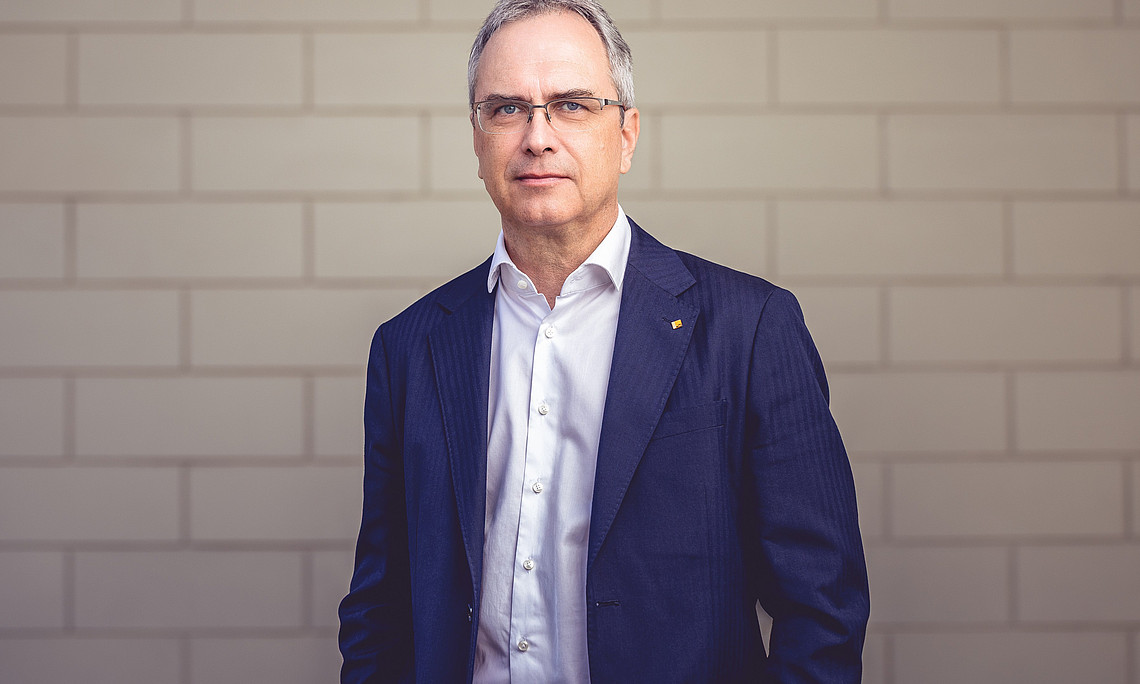
Wie Lernen in einer Fremdsprache und das Lehren einer Fremdsprache gelingen können, erforschen AnglistInnen der Uni Graz. Foto: iStock/skynesher
Wie Lernen in einer Fremdsprache und das Lehren einer Fremdsprache gelingen können, erforschen AnglistInnen der Uni Graz. Foto: iStock/skynesher

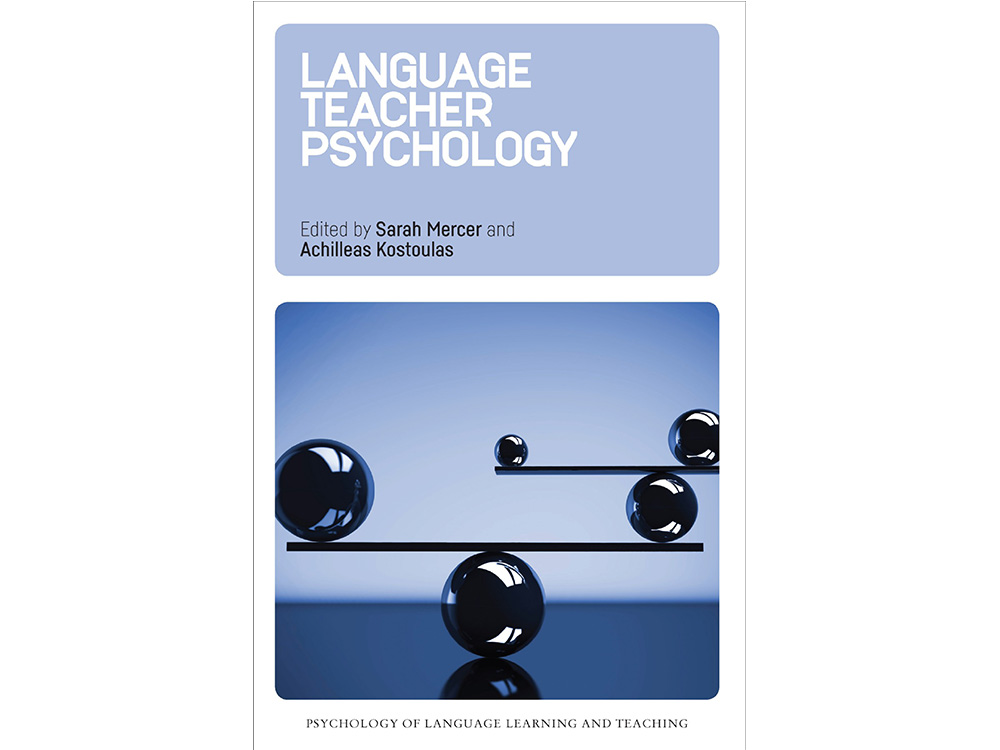
Die Psychologie der Lehrenden steht im Mittelpunkt des neu erschienen Buchs von Sarah Mercer und Achilleas Kostoulas. Cover: Multilingual Matters
Die Psychologie der Lehrenden steht im Mittelpunkt des neu erschienen Buchs von Sarah Mercer und Achilleas Kostoulas. Cover: Multilingual Matters

Was in den Gehirnen von Lehrenden vorgeht und unter welchen sprachlichen Voraussetzungen Kinder am besten lernen, haben AnglistInnen der Uni Graz erforscht.

Worauf Lehrende beim Vermitteln einer Fremdsprache achten müssen, was in ihren Köpfen vorgeht und welche Methoden sie anwenden können: Diesen Fragen widmet sich das soeben im Verlag Multilingual Matters erschienene Buch „Language Teacher Psychology“, herausgegeben von den beiden AnglistInnen Sarah Mercer und Achilleas Kostoulas. Es ist eines der wenigen wissenschaftlichen Werke, das sich mit der Perspektive der Lehrenden auseinandersetzt, und berücksichtigt einige völlig neue Forschungsansätze.
Mercer und Kostoulas beschäftigen sich in ihrer Arbeit mit der Psychologie des Sprachenlernens und -lehrens sowie mit Fachdidaktik.
zum Buch

Welche sprachlichen Voraussetzungen Kinder benötigen, um überhaupt gut lernen zu können, hat Elizabeth Erling erforscht, seit Semesterbeginn Professorin für Fachdidaktik am Institut für Anglistik. Mit einem Team an ihrer früheren Arbeitsstelle, der Open University in England, hat sie den englischsprachigen Unterricht an Schulen in Ghana und Indien beobachtet und analysiert, mit welchen Hürden Kinder zu kämpfen haben, wenn sie in einer schwer verständlichen Sprache lernen sollen, beziehungsweise Wege aufgezeigt, um Beeinträchtigungen zu vermeiden. „Unsere Ergebnisse sind auch auf SchülerInnen in Österreich mit nicht-deutscher Muttersprache anwendbar“, betont Erling. Sie bestätigen außerdem einmal mehr, dass das Beherrschen der Muttersprache das Um und Auf ist, um eine weitere Sprache erwerben zu können.
Die Forschungsergebnisse werden in einem Blog präsentiert.


created by Dagmar Eklaude

Related news

Theologian at the University of Graz: What the excommunication of the Society of St Pius X

Following the schism involving the Society of St Pius X, there is a need for discussion. Bernd Hillebrand from the University of Graz explains why the Vatican took this step, what role anti-democratic tendencies play, and why the Society’s sacraments are no longer recognised as valid under canon law for Catholics with immediate effect.

“HeinrichBiCool”: University of Graz demonstrates the effects of green facades and roofs

The University of Graz has launched a pioneering project at the University Centre for Theology. Its name, “HeinrichBiCool”, says it all: a comprehensive system of green facades and roof will cool the building at Heinrichstraße 80 during the summer. At the same time, this will create a new habitat for plants and animals, helping to increase biodiversity. The accompanying monitoring programme will provide detailed data on the impact of the measures on indoor climate, energy consumption and biodiversity. The findings will lay a scientifically sound foundation for further projects aimed at making cities sustainable, climate-resilient and liveable. The partners in this project, funded by the Austrian Research Promotion Agency (FFG), are AEE INTEC – Institute for Sustainable Technologies, Technisches Büro Siegfried Stark, the landscape architecture and urban planning firm “studio boden”, and Ökoteam Graz.

When stress melts away in your mouth: nicotine pouches are widespread among Styrian students

Sociologists at the University of Graz, in collaboration with VIVID – the Centre for Addiction Prevention, have carried out a survey involving more than 600 participants. Around a quarter of them use these products. The ability to use them discreetly and flexibly is a key motivation.

Desert sand, microplastics, cancer cells: David Clases awarded ERC grant for analytical method

Nanoparticles trapped in polar ice can reveal a great deal about the climate 100,000 years ago. Chemist David Clases is developing unique methods to analyse them in detail. He will now adapt these methods for use with larger particles in order to glean even more information about Earth’s history. The method can be used for a wide range of other purposes – for example, in medical diagnostics or the investigation of environmental pollution. Clases has been awarded a Proof-of-Concept Grant by the European Research Council (ERC) for this work.

Begin of page section:
Additional information:

University of Graz
Universitaetsplatz 3
8010 Graz
Austria
  • Contact
  • Web Editors
  • Moodle
  • UNIGRAZonline
  • Imprint
  • Data Protection Declaration
  • Accessibility Declaration
Weatherstation
Uni Graz

End of this page section. Go to overview of page sections

End of this page section. Go to overview of page sections

Begin of page section:

End of this page section. Go to overview of page sections


