Begin of page section:
Page sections:

  • Go to contents (Accesskey 1)
  • Go to position marker (Accesskey 2)
  • Go to main navigation (Accesskey 3)
  • Go to sub navigation (Accesskey 4)
  • Go to additional information (Accesskey 5)
  • Go to page settings (user/language) (Accesskey 8)
  • Go to search (Accesskey 9)

End of this page section. Go to overview of page sections

Begin of page section:
Page settings:

English en
Deutsch de
Search
Login

End of this page section. Go to overview of page sections

Begin of page section:
Search:

Search for details about Uni Graz
Close

End of this page section. Go to overview of page sections


Search

Begin of page section:
Main navigation:

Page navigation:

  • University

    University
    • About the University
    • Organisation
    • Faculties
    • Library
    • Working at University of Graz
    • Campus
    Developing solutions for the world of tomorrow - that is our mission. Our students and our researchers take on the great challenges of society and carry the knowledge out.
  • Research Profile

    Research Profile
    • Our Expertise
    • Research Questions
    • Research Portal
    • Promoting Research
    • Research Transfer
    • Ethics in Research
    • Commission for Scientific Integrity
    Scientific excellence and the courage to break new ground. Research at the University of Graz creates the foundations for making the future worth living.
  • Studies

    Studies
    • Prospective Students
    • Students
    • Registration for Study Programme (Winter semester 2026/27)
    • Study Days 22-26 June 2026
  • Community

    Community
    • International
    • Location
    • Research and Business
    • Alumni
    The University of Graz is a hub for international research and brings together scientists and business experts. Moreover, it fosters the exchange and cooperation in study and teaching.
Topics
  • Sustainable University
  • Researchers answer
  • Work for us
Close menu

End of this page section. Go to overview of page sections

Begin of page section:
You are here:

University of Graz News Blick in Blackbox

End of this page section. Go to overview of page sections

Thursday, 21 April 2022

Blick in Blackbox

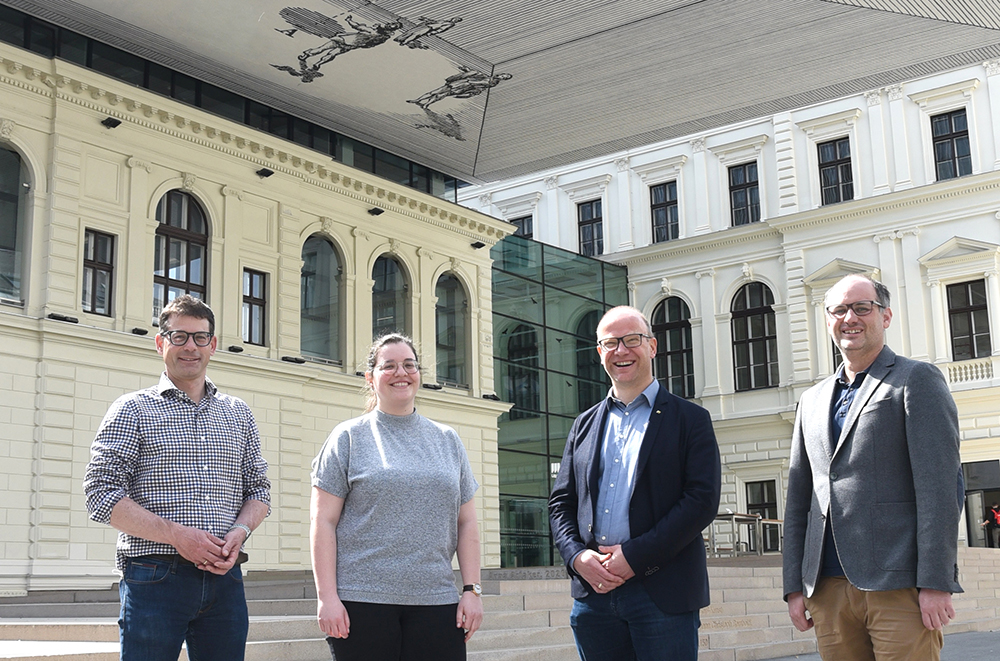
Wissenschaft wirkt in die Praxis: Christoph Koeth, Director Innovation von Fresenius Kabi, Doktorandin Anna Polzer, Projektleiter Stefan Thalmann und Jürgen Fleiß vom Business Analytics and Data Science-Center der Uni Graz (v. l.) ©Uni Graz/Schweiger

Wissenschaft wirkt in die Praxis: Christoph Koeth, Director Innovation von Fresenius Kabi, Doktorandin Anna Polzer, Projektleiter Stefan Thalmann und Jürgen Fleiß vom Business Analytics and Data Science-Center der Uni Graz (v. l.) Foto: Uni Graz/Schweiger

Uni Graz überprüft die Arbeit von künstlicher Intelligenz in der Pharmaproduktion

In der Produktion von Medikamenten kann Qualitätskontrolle über Leben und Tod bestimmen. Was passiert, wenn künstliche Intelligenz (KI) diese hochsensible Aufgabe übernimmt? WirtschaftsinformatikerInnen der Universität Graz überprüften, ob die erforderlichen Standards gewährleistet bleiben. Sie haben erstmals an einem Beispiel der Pharmaproduktion nachgewiesen, dass automatisierte Entscheidung die Anforderung erfüllt.

Die Maschine denkt. Doch tut sie das zuverlässig? Können wir ihr wirklich vertrauen? Und lässt sich ihre Tätigkeit zertifizieren? Das untersuchten ForscherInnen der Universität Graz in einer Kooperation mit dem Gesundheits-Unternehmen Fresenius Kabi Austria. „Künstliche Intelligenz soll automatisiert überprüfen, ob relevante Qualitätskriterien erfüllt sind oder Arzneimittel aus dem Prozess entfernt und verworfen werden müssen“, schildert Stefan Thalmann, Leiter des Business Analytics and Data Science-Center an der Uni Graz, die Ausgangslage. 

Der Einsatz von Software in solchen sensiblen Bereichen unterliegt Richtlinien und muss zertifiziert werden. KI nimmt jedoch eine Sonderstellung ein, da – abseits von einem Regulierungsentwurf der EU – aktuell keine Ansätze für die Zertifizierung vorhanden sind. „Denn die Technologie lernt selbstständig Entscheidungsregeln aus vergangenen Beurteilungen, die Menschen getroffen haben und die in den sogenannten Trainingsdaten abgebildet sind“, fasst der Wissenschafter zusammen.

In der Zusammenarbeit mit Fresenius Kabi ging es darum, den Prüfvorgang von sensiblen Medikamenten mit Hilfe einer KI unter die Lupe zu nehmen. Den Haken beschreibt Thalmann: „KI wird zur Blackbox, denn wir kennen diese Regeln nicht und wissen somit nicht, worauf sich die automatisierte Entscheidung begründet.“ Der Wirtschaftsinformatiker erklärt: „Wir setzten spezielle Erklär-Komponenten ein und mit künstlichen Sonderfällen wurde die KI gewissermaßen herausgefordert.“ In der Folge konnten so die Modelle verstanden und Ergebnisse besser nachvollzogen werden. Erstmals ist es damit WissenschafterInnen der Uni Graz gelungen, den Einsatz künstlicher Intelligenz im Pharmaumfeld zu zertifizieren. Stefan Thalmann: „Das Projekt zeigt, wie der KI-Regulierungsvorschlag der EU in der Praxis umgesetzt werden kann.“


Die Ergebnisse wurden in einem Fachjournal veröffentlicht.

Im Rahmen des Profilbereichs Smart Regulation arbeitet Stefan Thalmann interdisziplinär mit JuristInnen, PsychologInnen und EthikerInnen an diesem Thema weiter. 
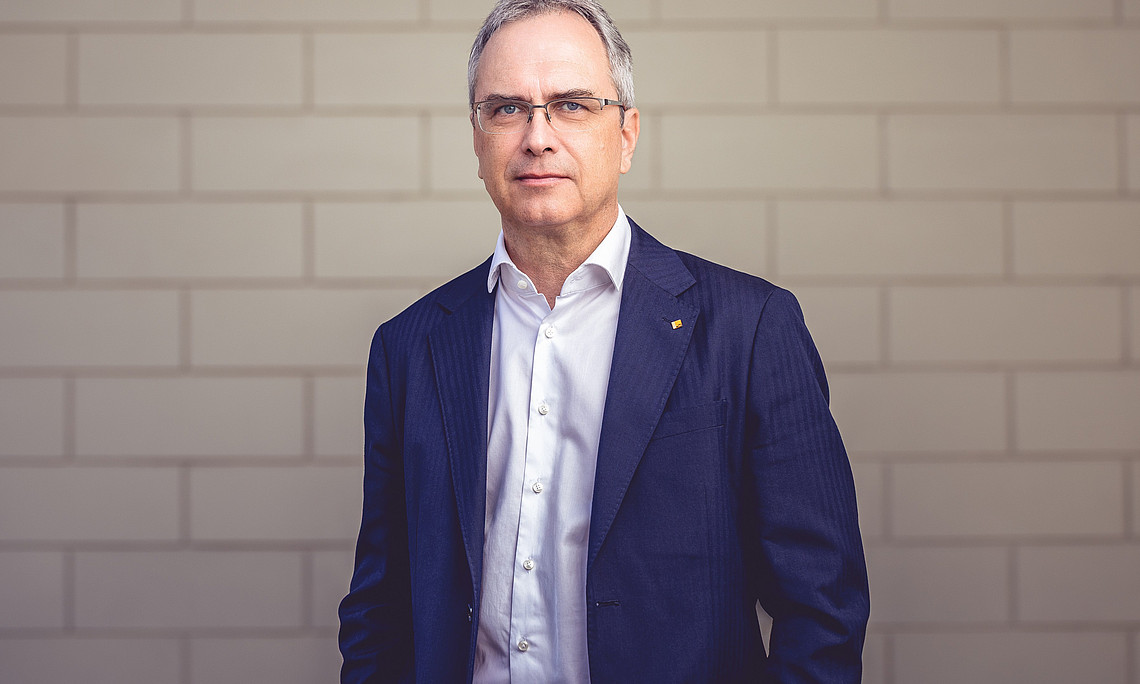
created by Andreas Schweiger

Related news

Full effort in the heat: the Sports Centre was in full swing at the Kleeblattlauf

On 19 June 2026, 2,000 runners and hundreds of supporters made their way to the Rosenhain for a sporting end-of-term event.

Save, invest or guarantee: What Austrians expect from the state

Austria needs to make savings. But where? And what should the Republic actually be spending its money on? The answers are provided by the initial findings of a major study involving the University of Graz. 99 per cent of those surveyed are in favour of the state ensuring healthcare provision. Almost three-quarters would like to see more public funding for education, whilst only around three per cent are in favour of cuts in this sector.

Complying with the norm: Why Do Standards Shape Our Lives, Elisabeth Staudegger?

Standards determine whether a sheet of paper fits in a printer or whether a charging plug can power multiple devices. These standards shape our everyday lives. But who actually sets these standards? Where are the weaknesses, and how could science help to improve them? Elisabeth Staudegger, Head of the ‘Law and IT’ Department at the Institute for Legal Foundations at the University of Graz, host the Academic Standards Day on 16 June. Here she relays how sciences can contribute to the topic of standardisation and reveals her personal favourite standard.

More body awareness than a culture war

In Italy, sex education lessons will in future only be permitted with parental consent, and will be banned entirely in nurseries and primary schools. At the same time, Pride Month highlights why knowledge about the body, relationships, boundaries and diversity is important for young people. A study by the University of Graz shows how important knowledge about the body, contraception, relationship skills and protection against violence is

Begin of page section:
Additional information:

University of Graz
Universitaetsplatz 3
8010 Graz
Austria
  • Contact
  • Web Editors
  • Moodle
  • UNIGRAZonline
  • Imprint
  • Data Protection Declaration
  • Accessibility Declaration
Weatherstation
Uni Graz

End of this page section. Go to overview of page sections

End of this page section. Go to overview of page sections

Begin of page section:

End of this page section. Go to overview of page sections