



Begin of page section:
Page sections:

  • Go to contents (Accesskey 1)
  • Go to position marker (Accesskey 2)
  • Go to main navigation (Accesskey 3)
  • Go to sub navigation (Accesskey 4)
  • Go to additional information (Accesskey 5)
  • Go to page settings (user/language) (Accesskey 8)
  • Go to search (Accesskey 9)

End of this page section. Go to overview of page sections

Begin of page section:
Page settings:

English en
Deutsch de
Search
Login

End of this page section. Go to overview of page sections

Begin of page section:
Search:

Search for details about Uni Graz
Close

End of this page section. Go to overview of page sections


Search

Begin of page section:
Main navigation:

Page navigation:

  • University

    University
    • About the University
    • Organisation
    • Faculties
    • Library
    • Working at University of Graz
    • Campus
    Developing solutions for the world of tomorrow - that is our mission. Our students and our researchers take on the great challenges of society and carry the knowledge out.
  • Research Profile

    Research Profile
    • Our Expertise
    • Research Questions
    • Research Portal
    • Promoting Research
    • Research Transfer
    • Ethics in Research
    • Commission for Scientific Integrity
    Scientific excellence and the courage to break new ground. Research at the University of Graz creates the foundations for making the future worth living.
  • Studies

    Studies
    • Prospective Students
    • Students
  • Community

    Community
    • International
    • Location
    • Research and Business
    • Alumni
    The University of Graz is a hub for international research and brings together scientists and business experts. Moreover, it fosters the exchange and cooperation in study and teaching.
  • Spotlight
Topics
  • Sustainable University
  • Researchers answer
  • Work for us
Close menu

End of this page section. Go to overview of page sections

Begin of page section:
You are here:

University of Graz News Bilanz des Aufbruchs

End of this page section. Go to overview of page sections

Monday, 15 September 2014

Bilanz des Aufbruchs
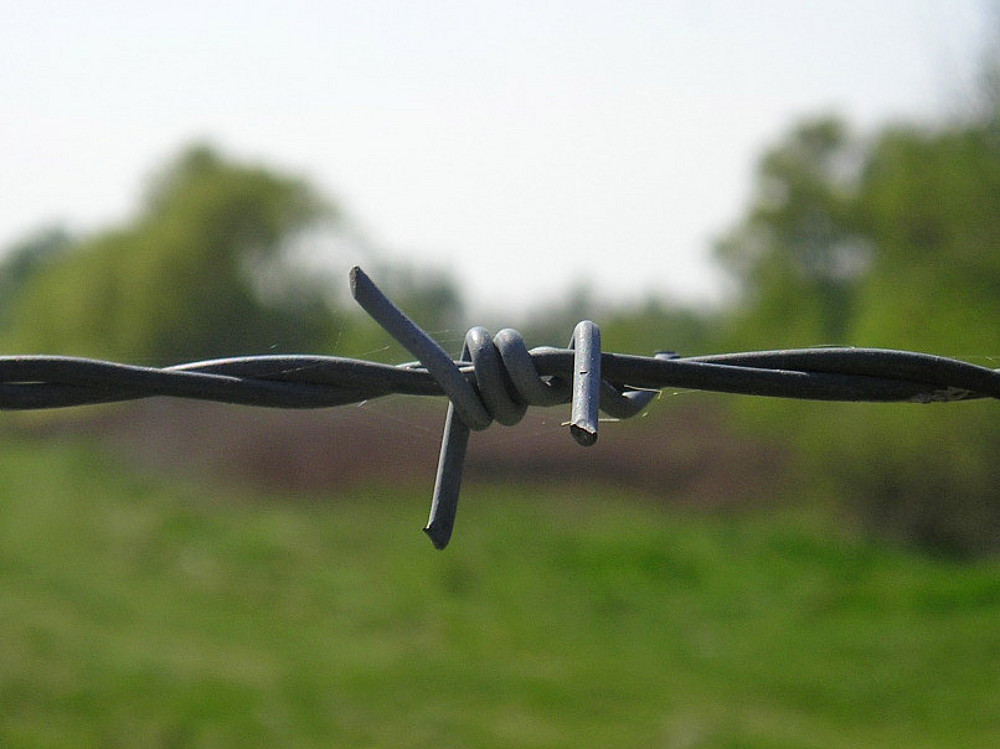
Der Eiserne Vorhang ist seit 25 Jahren Geschichte. Die Entwicklungen seither beleuchtet eine Konferenz an der Uni Graz. Foto: Vladimír Tóth / Wikimedia Commons
Der Eiserne Vorhang ist seit 25 Jahren Geschichte. Die Entwicklungen seither beleuchtet eine Konferenz an der Uni Graz. Foto: Vladimír Tóth / Wikimedia Commons

Konferenz an der Uni Graz beleuchtet Entwicklungen in Ost- und Südosteuropa 25 Jahre nach dem Ende des Kommunismus

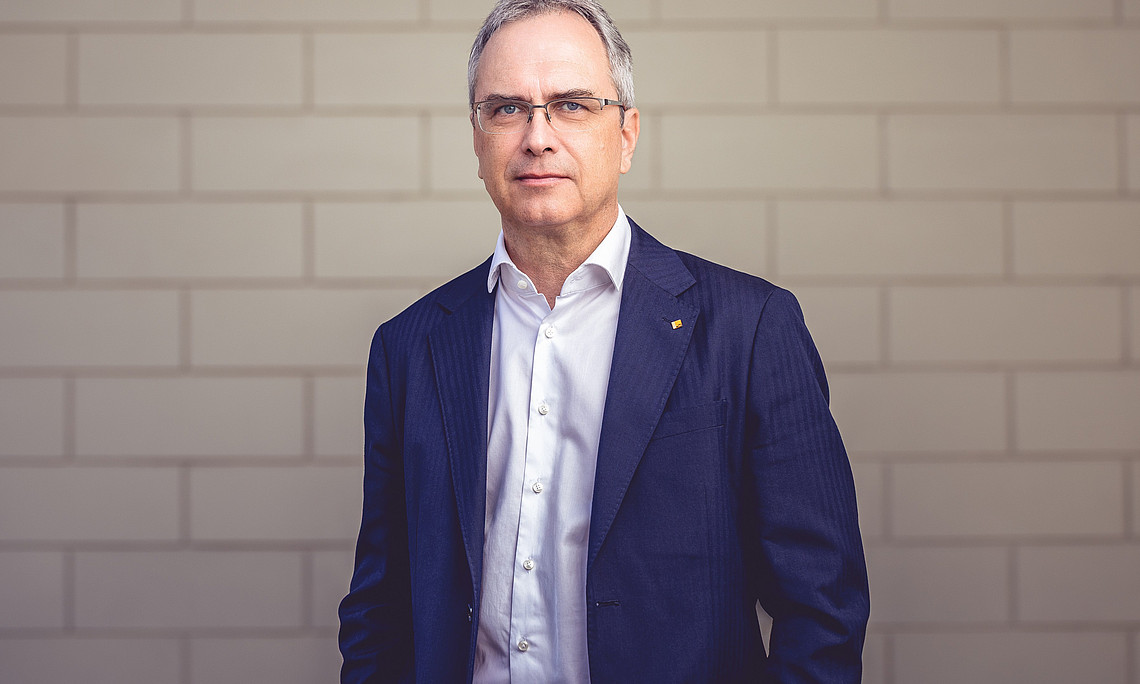
Vor 25 Jahren fiel der Eiserne Vorhang. Wie sich Österreichs Nachbarstaaten seither entwickelt haben, ist Thema einer Konferenz von 18. bis 20. September 2014 an der Karl-Franzens-Universität Graz. „Der Übergang zu marktwirtschaftlichen Ökonomien und zu demokratischen politischen Systemen hat in vielen dieser Länder erhebliche Kosten verursacht, in Jugoslawien zu blutigen Bürgerkriegen geführt“, fasst der Soziologie O.Univ.-Prof. Dr. Max Haller, Organisator der Veranstaltung, zusammen. Auch wenn sich viele Länder seither neu ausrichten konnten und nicht zuletzt durch den EU-Beitritt ein starkes Wirtschaftswachstum erlebt haben, gilt es heute viele gesellschaftliche Probleme zu beseitigen, mit denen sich die Tagung auseinandersetzt. „Dazu gehören etwa der Aufstieg politisch rechts stehender Bewegungen und Parteien, neue Formen von Armut und Ausgrenzung sowie eine starke Emigration“, so Haller. Die Abwanderung führe zum Verlust von Fachkräften und zur Überalterung vieler Dörfer.
Die Transformationsprozesse in den ehemals kommunistischen Ländern sind auch für Österreich von großer Bedeutung: Banken und Unternehmen profitieren, Privathaushalte sind in der Lage, günstige Arbeits- und Pflegekräfte zu engagieren, außerdem haben sich billige Urlaubsdestinationen eröffnet.
„25 Jahre sind ein guter Zeitpunkt, um Bilanz auf beiden Seiten des Eisernen Vorhangs zu ziehen“, ist der Soziologie überzeugt. Rund 50 Vortragende aus neun Ländern thematisieren im Rahmen der Konferenz etwa neue Gesellschaftsstrukturen und Klüfte zwischen Arm und Reich, veränderten familiären Zusammenhalt oder die Chancen und Werte für die Jugend im ehemaligen Ostblock. Insgesamt gibt es mehr als 40 Vorträge. Das genaue Programm ist unter twenty-five-years-after.uni-graz.at abrufbar.
Die Grazer Soziologie hat sich schon seit dem Zusammenbruch des Kommunismus um enge Kontakte mit KollegInnen in Ost- und Südosteuropa bemüht. Zuletzt wurde mit den Universitäten Zadar. Brünn und Trento das gemeinsame Masterstudium „Kulturelle Soziologie“ entwickelt.

created by Dagmar Eklaude

Related news

Higher Education Strategy 2040: Austria’s universities on course for the future

Austria has 77 higher education institutions, which is above the EU average – but does this really make sense? The new Higher Education Strategy 2040 focuses on cooperation rather than mergers. As one of the six largest universities in Austria, the University of Graz plays a central role in this.

Climate research in Greenland: Old data provides new insights

The polar explorer and University of Graz professor Alfred Wegener left behind a unique collection of climate data from Greenland. A research team from the University of Graz is now analysing this 100-year-old treasure trove of data and comparing it with current measurements.

Diversity in nature and science: How we talk about plants and each other

Ginkgo, kiwi, hemp: they exist as male and female plants. Anyone who paid attention in biology class will confirm this. But is this categorisation, established by Carl von Linné almost 300 years ago, still valid today? An interdisciplinary team at the University of Graz is questioning these attributions and using this as a starting point to provide food for thought for gender-sensitive interaction between students, scientific and teaching staff.

Around the world in eight stops: the Long Night of Research at the University of Graz

On 24 April from 5 pm, you can take a short trip around the globe at the University of Graz, discovering pecularities of foreign countries or new local features in the entrance hall of the University Library. The itinerary takes you through introduced animal species, political attitudes and the omnipotence of algorithms. There will also be a programme in the historic reading hall, as well as at the UniGraz@Museum and the University Archive.

Begin of page section:
Additional information:

University of Graz
Universitaetsplatz 3
8010 Graz
Austria
  • Contact
  • Web Editors
  • Moodle
  • UNIGRAZonline
  • Imprint
  • Data Protection Declaration
  • Accessibility Declaration
Weatherstation
Uni Graz

End of this page section. Go to overview of page sections

End of this page section. Go to overview of page sections

Begin of page section:

End of this page section. Go to overview of page sections

