




Begin of page section:
Page sections:

  • Go to contents (Accesskey 1)
  • Go to position marker (Accesskey 2)
  • Go to main navigation (Accesskey 3)
  • Go to sub navigation (Accesskey 4)
  • Go to additional information (Accesskey 5)
  • Go to page settings (user/language) (Accesskey 8)
  • Go to search (Accesskey 9)

End of this page section. Go to overview of page sections

Begin of page section:
Page settings:

English en
Deutsch de
Search
Login

End of this page section. Go to overview of page sections

Begin of page section:
Search:

Search for details about Uni Graz
Close

End of this page section. Go to overview of page sections


Search

Begin of page section:
Main navigation:

Page navigation:

  • University

    University
    • About the University
    • Organisation
    • Faculties
    • Library
    • Working at University of Graz
    • Campus
    Developing solutions for the world of tomorrow - that is our mission. Our students and our researchers take on the great challenges of society and carry the knowledge out.
  • Research Profile

    Research Profile
    • Our Expertise
    • Research Questions
    • Research Portal
    • Promoting Research
    • Research Transfer
    • Ethics in Research
    • Commission for Scientific Integrity
    Scientific excellence and the courage to break new ground. Research at the University of Graz creates the foundations for making the future worth living.
  • Studies

    Studies
    • Prospective Students
    • Students
    • Registration for Study Programme (Winter semester 2026/27)
    • Study Days 22-26 June 2026
  • Community

    Community
    • International
    • Location
    • Research and Business
    • Alumni
    The University of Graz is a hub for international research and brings together scientists and business experts. Moreover, it fosters the exchange and cooperation in study and teaching.
Topics
  • Sustainable University
  • Researchers answer
  • Work for us
Close menu

End of this page section. Go to overview of page sections

Begin of page section:
You are here:

University of Graz News Ankommen

End of this page section. Go to overview of page sections

Friday, 08 April 2022

Ankommen

Mädchen in Schulklasse Foto: Olia Danilevich - Pexels

Kinder haben zwar große Selbstheilungskräfte, abhängig vom Alter brauchen sie dennoch eine Möglichkeit, das Erlebte zu bearbeiten, so Erziehungswissenschafter Egger. Foto: Olia Danilevich - Pexels

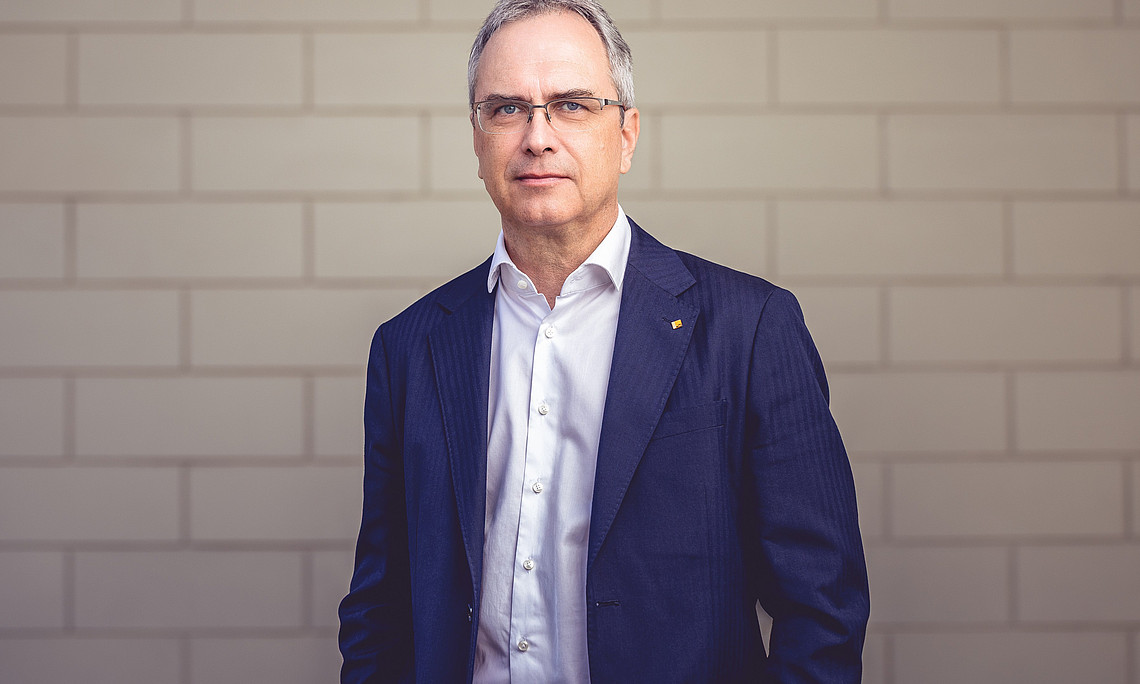
Wie finden junge Geflüchtete ihren Platz in der Schule? Erziehungswissenschafter Rudolf Egger zählt die Erfolgsfaktoren auf

Mehr als 5000 junge UkrainerInnen wurden mittlerweile an Österreichs Schulen aufgenommen. Doch was braucht es, damit die geflüchteten Kinder und Jugendlichen tatsächlich im heimischen Bildungssystem ankommen? Erziehungswissenschafter Rudolf Egger nennt Faktoren, die für eine gelungene Eingliederung ausschlaggebend sind:

Eltern freispielen
Eine Fluchterfahrung löst enormes Schutzverhalten der Eltern aus. Aus diesem Kokon müssen sich Eltern und Kinder wieder langsam lösen, dafür brauchen sie einen sicheren Raum. Das heißt, wir müssen die Mütter in die Gesellschaft, die Jungen ins Bildungssystem einbinden. Kindergarten und Schule sind verlässliche Orte der Sozialisation.

Arme aufmachen
Kinder haben zwar große Selbstheilungskräfte, abhängig vom Alter brauchen sie dennoch eine Möglichkeit, das Erlebte zu bearbeiten. Vor allem im Erzählen liegt eine unvorstellbare Kraft. Zeichnen und Spielen können ebenfalls Ventile sein – oder wenn es gebraucht wird, auch Schweigen oder psychotherapeutische Unterstützung.

Muttersprache berücksichtigen
Integration passiert über Sprache. Deutschkurse ja, doch auch die Sprache, die sie mitbringen, sollen sie nicht verleugnen müssen. Es gibt genügend qualifizierte Geflüchtete, die als BetreuungslehrerInnen den deutschsprachigen Unterricht begleiten können.

Auf die richtige Dosis achten
Wir müssen darauf schauen, wie viel unser Schulsystem verträgt. Das bedeutet, sowohl die Geflüchteten als auch jene im regulären Unterricht sozial und emotional nicht zu überfordern. Zudem müssen wir die ländliche Region im Auge behalten, damit sich nicht alles in den Städten konzentriert. Im ländlichen Raum wird Integration oft intensiv und gewinnbringend gelebt.

Raum schaffen
Wichtig ist es, soziale Begegnungsflächen in den Bildungseinrichtungen zu schaffen, wie zum Beispiel die gemeinsame Jause oder andere Begegnungsräume, die nicht so sehr an Noten interessiert sind. Der Nachmittagsunterricht ist dafür sicher besser ausgerichtet. Neben der Schule findet Integration aber vor allem am Wohnort statt. Große Quartiere in Hallen bieten zwar Schutz, sind gleichzeitig Zeichen einer Ausnahmesituation. Daher müssen wir die individuellen Bedürfnisse berücksichtigen.  

Wissenschaft stärken
Flucht und Integration werden in der Bildungswissenschaft derzeit kaum umfassend behandelt. Es braucht nicht nur Konzepte, sondern ForscherInnen müssen stärker in die Gemeinden und Regionen schauen, um zu begreifen, was Menschen hier brauchen.

created by Andreas Schweiger

Related news

Full effort in the heat: the Sports Centre was in full swing at the Kleeblattlauf

On 19 June 2026, 2,000 runners and hundreds of supporters made their way to the Rosenhain for a sporting end-of-term event.

Save, invest or guarantee: What Austrians expect from the state

Austria needs to make savings. But where? And what should the Republic actually be spending its money on? The answers are provided by the initial findings of a major study involving the University of Graz. 99 per cent of those surveyed are in favour of the state ensuring healthcare provision. Almost three-quarters would like to see more public funding for education, whilst only around three per cent are in favour of cuts in this sector.

Complying with the norm: Why Do Standards Shape Our Lives, Elisabeth Staudegger?

Standards determine whether a sheet of paper fits in a printer or whether a charging plug can power multiple devices. These standards shape our everyday lives. But who actually sets these standards? Where are the weaknesses, and how could science help to improve them? Elisabeth Staudegger, Head of the ‘Law and IT’ Department at the Institute for Legal Foundations at the University of Graz, host the Academic Standards Day on 16 June. Here she relays how sciences can contribute to the topic of standardisation and reveals her personal favourite standard.

More body awareness than a culture war

In Italy, sex education lessons will in future only be permitted with parental consent, and will be banned entirely in nurseries and primary schools. At the same time, Pride Month highlights why knowledge about the body, relationships, boundaries and diversity is important for young people. A study by the University of Graz shows how important knowledge about the body, contraception, relationship skills and protection against violence is

Begin of page section:
Additional information:

University of Graz
Universitaetsplatz 3
8010 Graz
Austria
  • Contact
  • Web Editors
  • Moodle
  • UNIGRAZonline
  • Imprint
  • Data Protection Declaration
  • Accessibility Declaration
Weatherstation
Uni Graz

End of this page section. Go to overview of page sections

End of this page section. Go to overview of page sections

Begin of page section:

End of this page section. Go to overview of page sections

