Begin of page section:
Page sections:

  • Go to contents (Accesskey 1)
  • Go to position marker (Accesskey 2)
  • Go to main navigation (Accesskey 3)
  • Go to sub navigation (Accesskey 4)
  • Go to additional information (Accesskey 5)
  • Go to page settings (user/language) (Accesskey 8)
  • Go to search (Accesskey 9)

End of this page section. Go to overview of page sections

Begin of page section:
Page settings:

English en
Deutsch de
Search
Login

End of this page section. Go to overview of page sections

Begin of page section:
Search:

Search for details about Uni Graz
Close

End of this page section. Go to overview of page sections


Search

Begin of page section:
Main navigation:

Page navigation:

  • University

    University
    • About the University
    • Organisation
    • Faculties
    • Library
    • Working at University of Graz
    • Campus
    Developing solutions for the world of tomorrow - that is our mission. Our students and our researchers take on the great challenges of society and carry the knowledge out.
  • Research Profile

    Research Profile
    • Our Expertise
    • Research Questions
    • Research Portal
    • Promoting Research
    • Research Transfer
    • Ethics in Research
    • Commission for Scientific Integrity
    Scientific excellence and the courage to break new ground. Research at the University of Graz creates the foundations for making the future worth living.
  • Studies

    Studies
    • Prospective Students
    • Students
    • Registration for Study Programme (Winter semester 2026/27)
  • Community

    Community
    • International
    • Location
    • Research and Business
    • Alumni
    The University of Graz is a hub for international research and brings together scientists and business experts. Moreover, it fosters the exchange and cooperation in study and teaching.
Topics
  • Sustainable University
  • Researchers answer
  • Work for us
Close menu

End of this page section. Go to overview of page sections

Begin of page section:
You are here:

University of Graz News 5600 kamen und staunten

End of this page section. Go to overview of page sections

Tuesday, 06 October 2015

5600 kamen und staunten

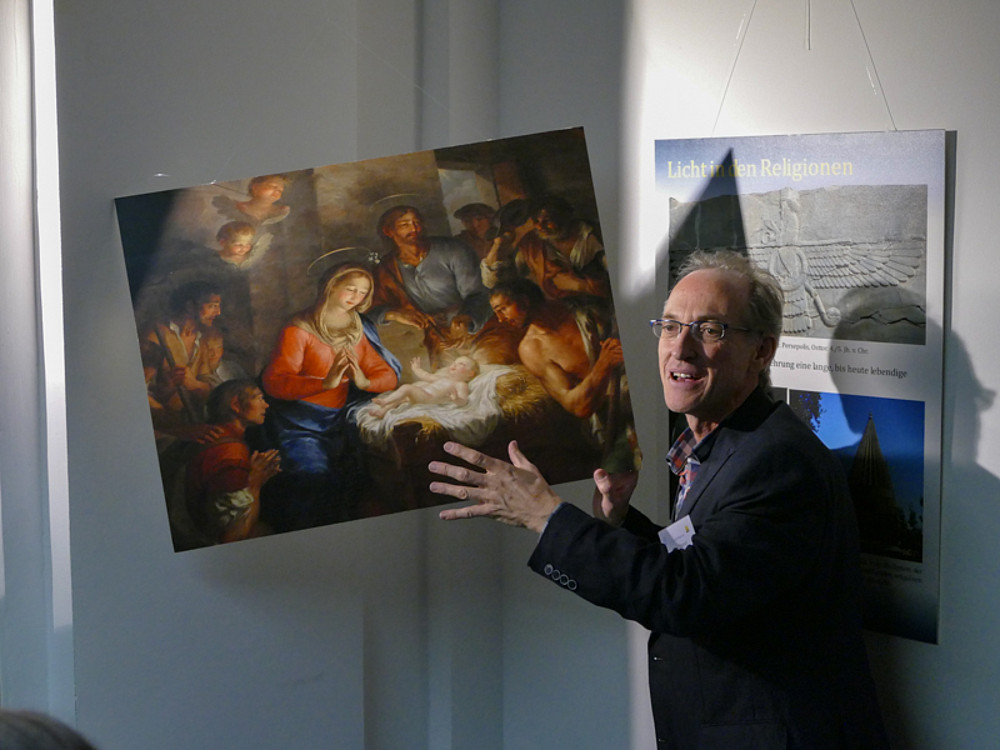
Die 16. Lange Nacht der Museen war ein voller Erfolg. Alle Fotos: Johann Leitner, Marie Luise Schwarz, Maria Christidis, Franz Stangl

Die 16. Lange Nacht der Museen war ein voller Erfolg. Alle Fotos: Johann Leitner, Marie Luise Schwarz, Maria Christidis, Franz Stangl

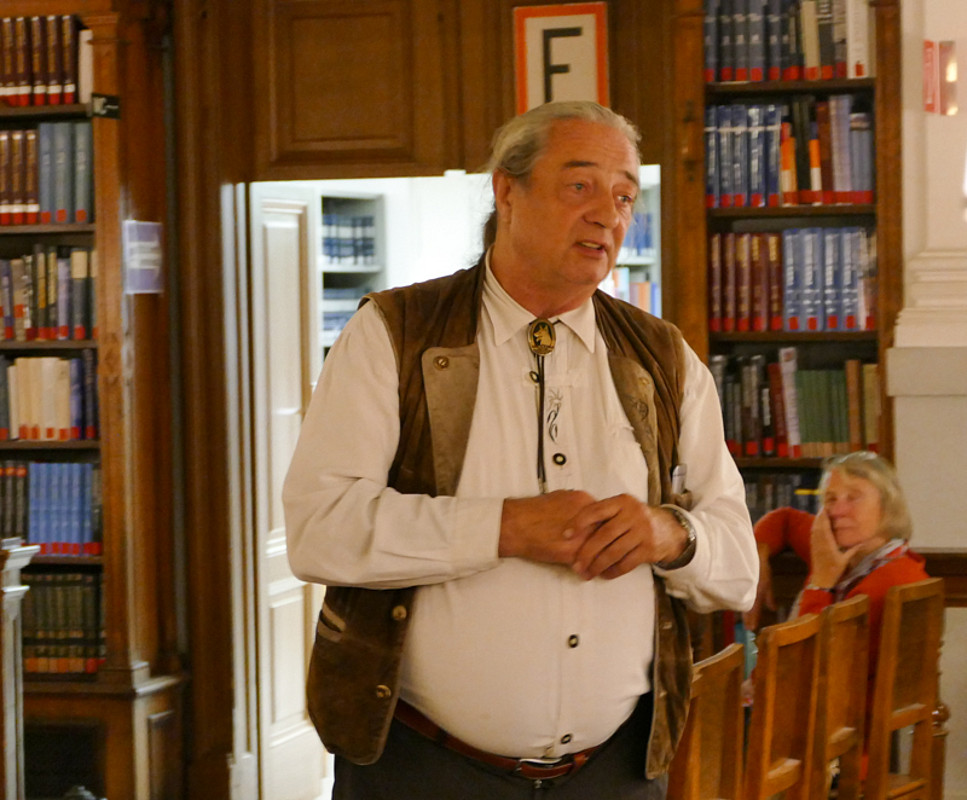
Literarisches im UB Lesesaal

Literarisches im UB Lesesaal

Spannendes im UniGraz@Museum

Spannendes im UniGraz@Museum

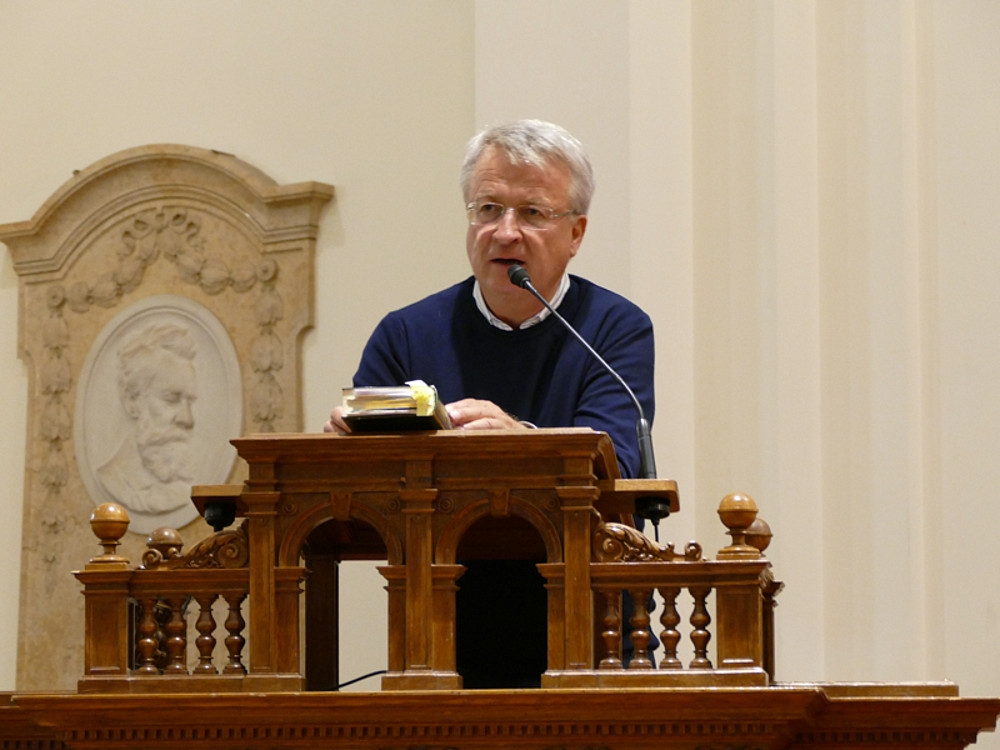
Krimistar Veit Heinichen zog in der Aula der Uni Graz die HörerInnen in seine Bann.

Krimistar Veit Heinichen zog in der Aula der Uni Graz die HörerInnen in seine Bann.

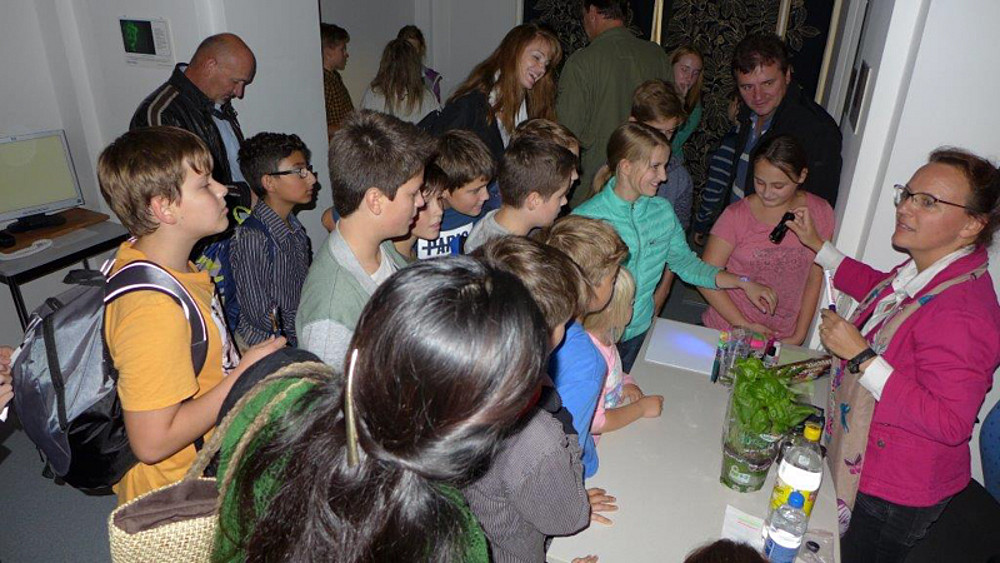
Ein buntes Programm für Groß ...

Ein buntes Programm für Groß ...

& Klein sorgte für viel Unterhaltung.

& Klein sorgte für viel Unterhaltung.

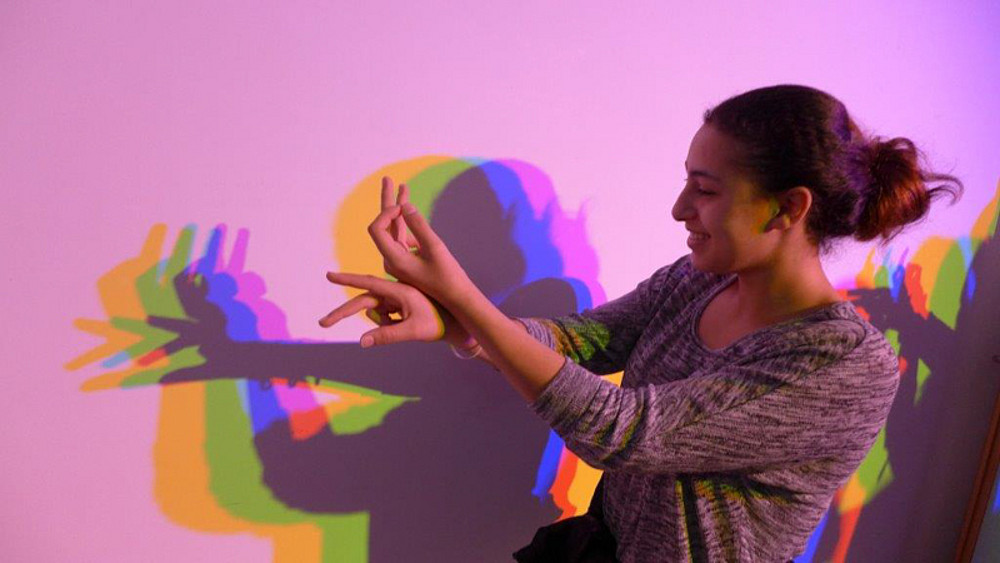
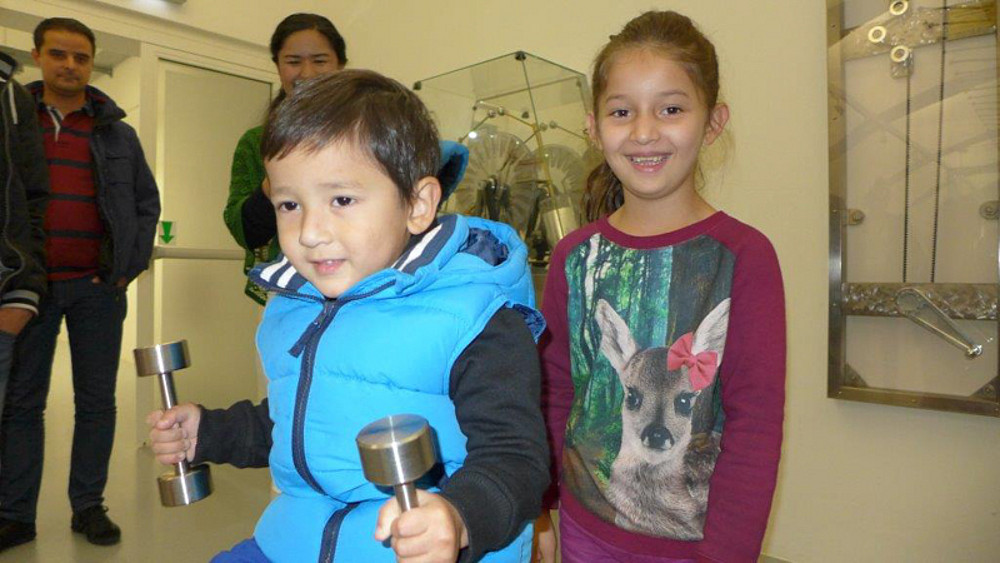
Selbst ausprobieren - das stand im Mittelpunkt der Langen Nacht der Museen.

Selbst ausprobieren - das stand im Mittelpunkt der Langen Nacht der Museen.

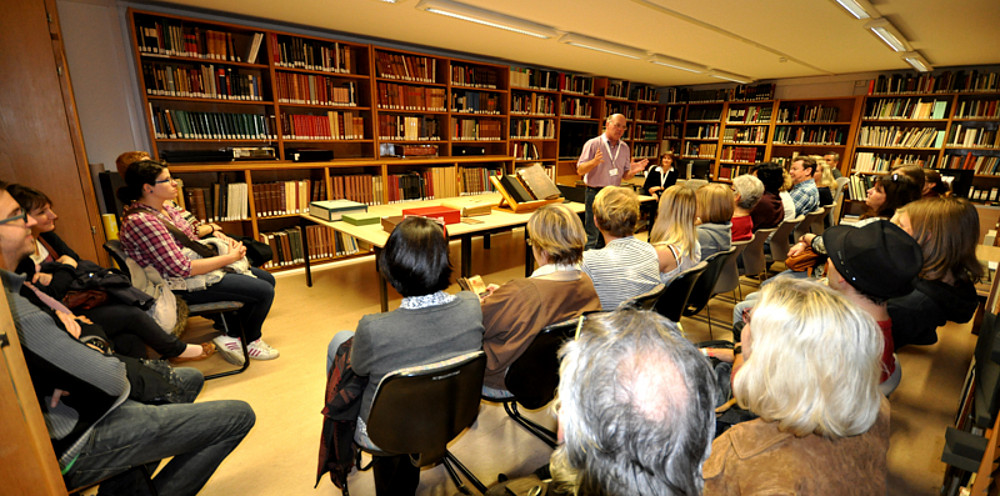
Einblicke in die mittelalterliche Handschriftenkunde in der Sondersammlung der Uni Graz.

Einblicke in die mittelalterliche Handschriftenkunde in der Sondersammlung der Uni Graz.

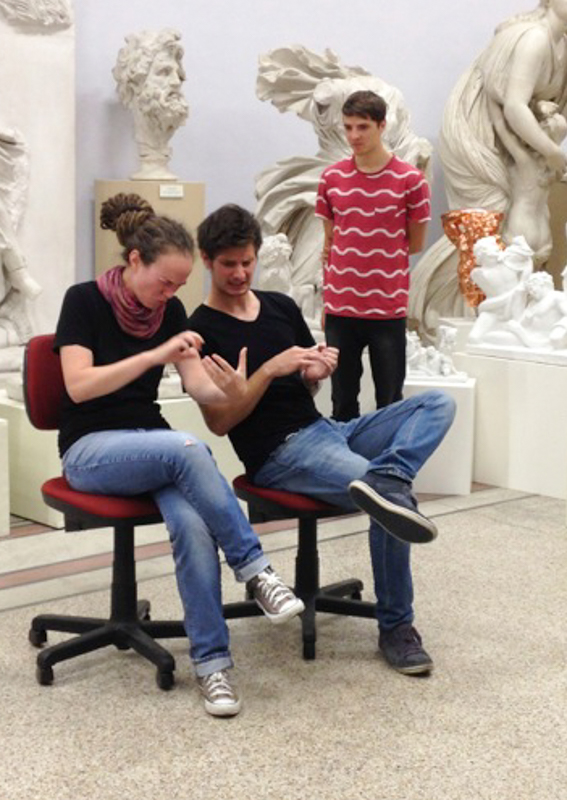
Ein Impro-Theater des Theaters Stockwerk in den archäologischen Sammlungen ließen Statuen zu neuem Leben erwachen.

Ein Impro-Theater des Theaters Stockwerk in den archäologischen Sammlungen ließen Statuen zu neuem Leben erwachen.

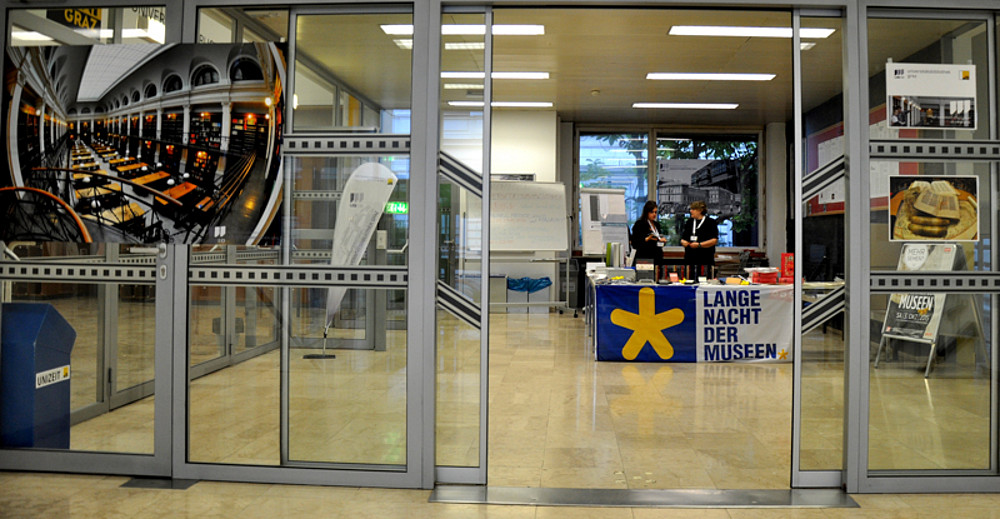
Die Lange Nacht der Museen zog wieder Massen an. Ein kurzer Rückblick in Bildern

Die Lange Nacht der Museen hat auch in ihrem 16. Jahr nicht an Glanz und Ruhm verloren. Allein an die Universität Graz kamen am Abend des 3. Oktobers rund 5600 Personen, um die zahlreichen Sammlungen, Ausstellungen, Lesungen und Führungen genauer unter die Lupe zu nehmen. Neben Altbewährtem, wie etwa der Rundgang durch die Universitätsbibliothek, stand an der Uni Graz vor allem das Thema Licht im Vordergrund: Im UniGraz@Museum entführte die umfassende Ausstellung „Licht und Schatten“ in das Thema. Der Bogen spannte sich dabei vom Kienspan zum Laser, vom Sonnengott bis zu farbigen Schatten und von der Winterdepression aus Lichtmangel bis hin zur Schlafstörung durch Lichtverschmutzung. Auch gab es einen Lumineszenz-Workshop für Kinder und Jugendliche.


„Geschichten von Tag und Nacht. Geschichten vom Licht“ wurden in den Archäologischen Sammlungen erzählt.  Lebensgroße Götter- und Heldenstatuen aus Rom und Griechenland entführen BesucherInnen in eine vergangene Welt. Highlight des Abends: Improvisations-Theater – antike Statuen erwachten an diesem Abend zu „neuem“ Leben.

Ein Highlight war sicherlich die Lesung des Krimistars Veit Heinichen, der auf Einladung des Hans Gross Kriminalmuseums der Veranstaltung beiwohnte. In der Aula erzählte der Autor über sein Werk und gab Einblick in sein Triest, seine literarische Welt.


created by Konstantinos Tzivanopoulos

Related news

Sport beyond the World Cup: the TV channel “Welt der Wunder” features diabetes research from the University of Graz

Keeping blood sugar levels in check during physical exertion is a particular challenge for people with type 1 diabetes. Othmar Moser examines how those affected manage to balance physical activity, sport and their metabolic disorder.

"Mathematics explains the world"

How can life be quantified? And what can science reveal that remains hidden from the naked eye? The 14th European Conference on Mathematical and Theoretical Biology at the University of Graz is dedicated to these questions. From 13 to 17 July, around 1,300 researchers from all over the world will gather on campus to discuss models, biological processes and the future of data-driven medicine. Klemens Fellner, Dean of the Faculty of Natural Sciences and Mathematics and a mathematician, talks about the language that explains the world

Internationally up-to-date: University of Graz offers new degree programmes in art studies

From the Old Masters to AI art – three newly designed degree programmes offer students at the University of Graz fresh perspectives on artistic production. In addition to historical art, the programmes place a greater emphasis on contemporary and global developments. The registration period is open.

The Nazi elite school Napola: Historian seeks memories and personal documents

They were to be brought up to become the future elite of National Socialism: boys and girls aged ten and over who, following the ‘Anschluss’ of Austria to the German Reich, attended a so-called Napola (short for Nationalpolitische Lehranstalt; also known as NPEA, Nationalpolitische Erziehungsanstalt). There were nine such institutions in what is now Austria between 1939 and 1945.

Begin of page section:
Additional information:

University of Graz
Universitaetsplatz 3
8010 Graz
Austria
  • Contact
  • Web Editors
  • Moodle
  • UNIGRAZonline
  • Imprint
  • Data Protection Declaration
  • Accessibility Declaration
Weatherstation
Uni Graz

End of this page section. Go to overview of page sections

End of this page section. Go to overview of page sections

Begin of page section:

End of this page section. Go to overview of page sections