



Begin of page section:
Page sections:

  • Go to contents (Accesskey 1)
  • Go to position marker (Accesskey 2)
  • Go to main navigation (Accesskey 3)
  • Go to sub navigation (Accesskey 4)
  • Go to additional information (Accesskey 5)
  • Go to page settings (user/language) (Accesskey 8)
  • Go to search (Accesskey 9)

End of this page section. Go to overview of page sections

Begin of page section:
Page settings:

English en
Deutsch de
Search
Login

End of this page section. Go to overview of page sections

Begin of page section:
Search:

Search for details about Uni Graz
Close

End of this page section. Go to overview of page sections


Search

Begin of page section:
Main navigation:

Page navigation:

  • University

    University
    • About the University
    • Organisation
    • Faculties
    • Library
    • Working at University of Graz
    • Campus
    Developing solutions for the world of tomorrow - that is our mission. Our students and our researchers take on the great challenges of society and carry the knowledge out.
  • Research Profile

    Research Profile
    • Our Expertise
    • Research Questions
    • Research Portal
    • Promoting Research
    • Research Transfer
    • Ethics in Research
    • Commission for Scientific Integrity
    Scientific excellence and the courage to break new ground. Research at the University of Graz creates the foundations for making the future worth living.
  • Studies

    Studies
    • Prospective Students
    • Students
    • Welcome Weeks for First Year Students
  • Community

    Community
    • International
    • Location
    • Research and Business
    • Alumni
    The University of Graz is a hub for international research and brings together scientists and business experts. Moreover, it fosters the exchange and cooperation in study and teaching.
Topics
  • Sustainable University
  • Researchers answer
  • Work for us
Close menu

End of this page section. Go to overview of page sections

Begin of page section:
You are here:

University of Graz News 10 Jahre ACIPSS

End of this page section. Go to overview of page sections

Wednesday, 25 June 2014

10 Jahre ACIPSS

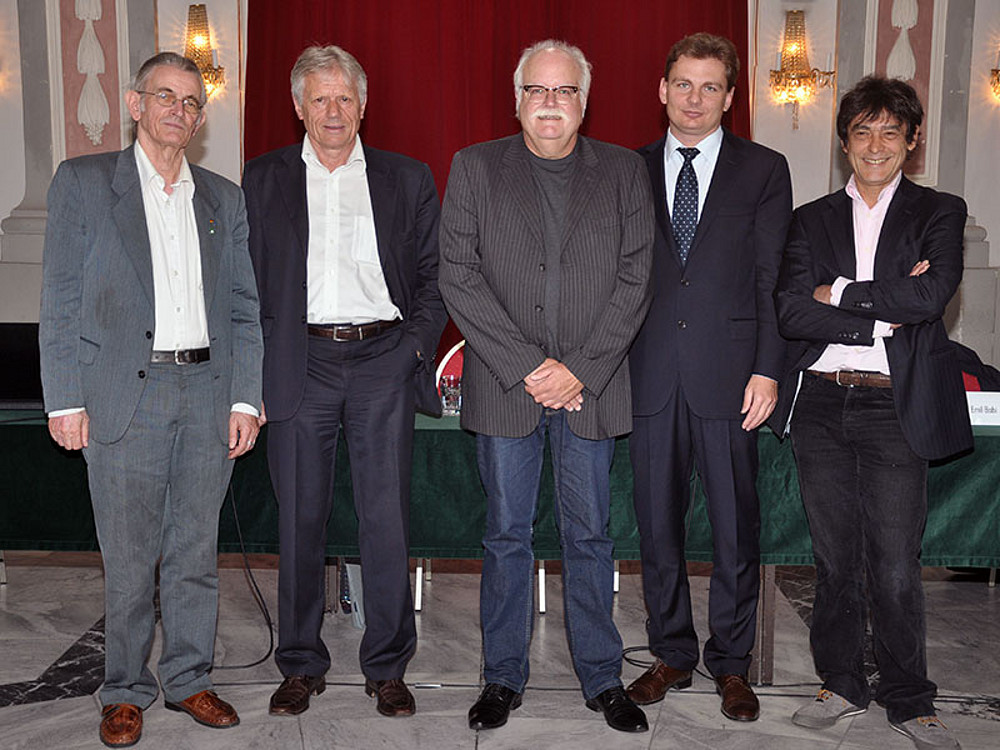
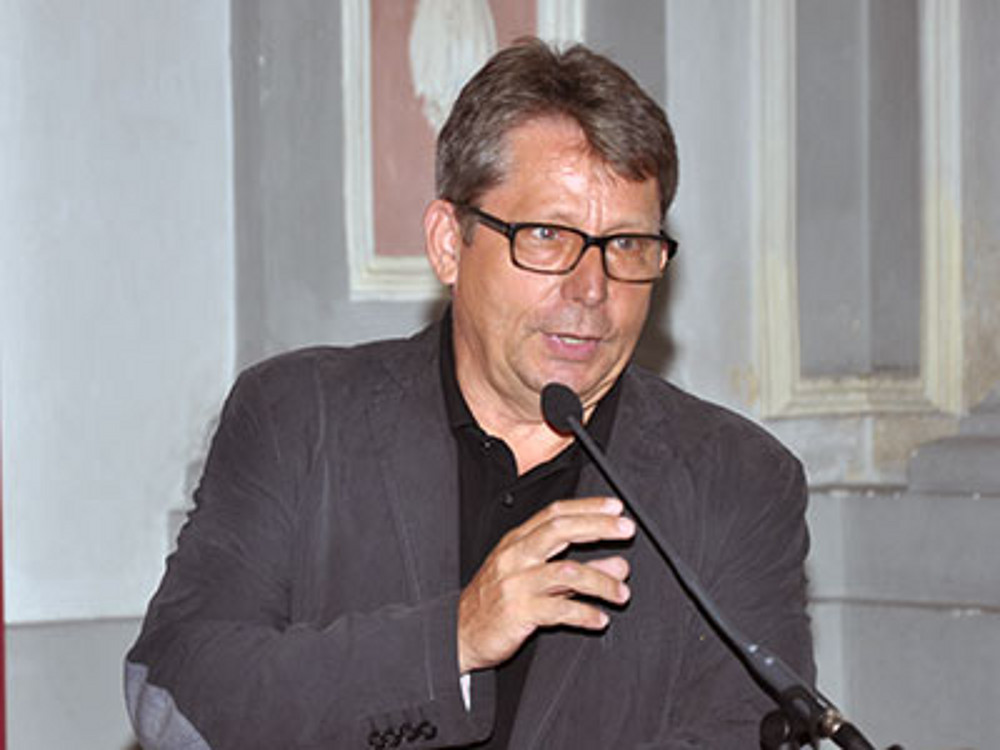
Bernd Michaelsen, ACIPSS-Gründer Siegfried Beer, Cees Wiebes, Laszlo Ritter und Emil Bobi (v.l.) diskutierten auf dem Podium.

Bernd Michaelsen, ACIPSS-Gründer Siegfried Beer, Cees Wiebes, Laszlo Ritter und Emil Bobi (v.l.) diskutierten auf dem Podium.

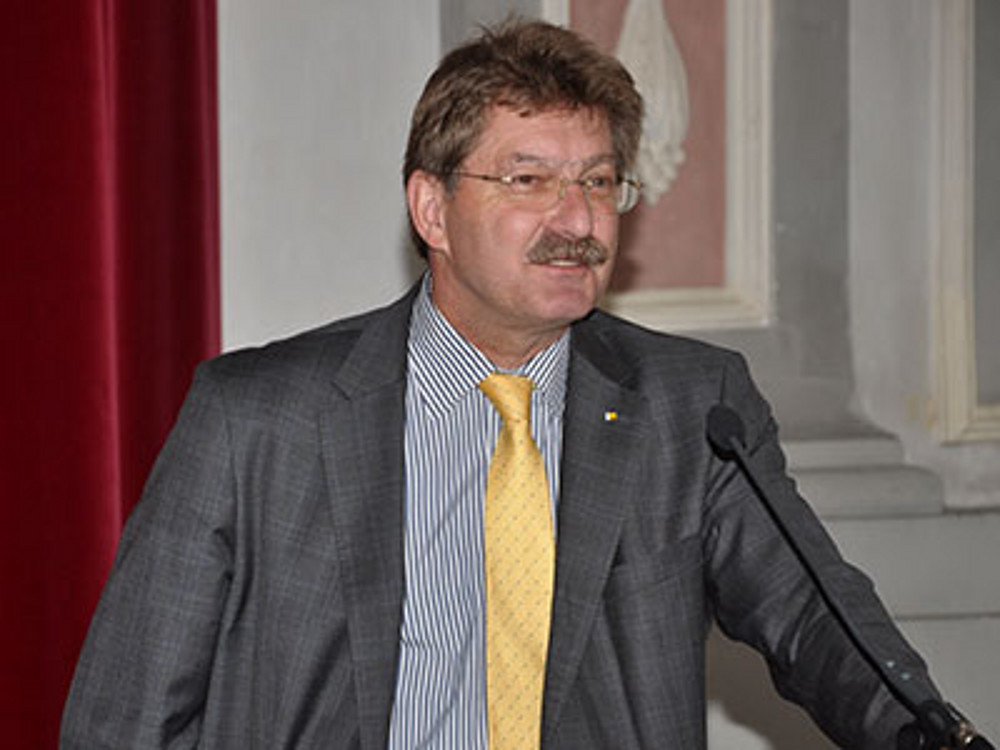
Vizerektor Peter Scherrer verwies auf die wichtigen Aufgaben des ACIPSS.

Vizerektor Peter Scherrer verwies auf die wichtigen Aufgaben des ACIPSS.

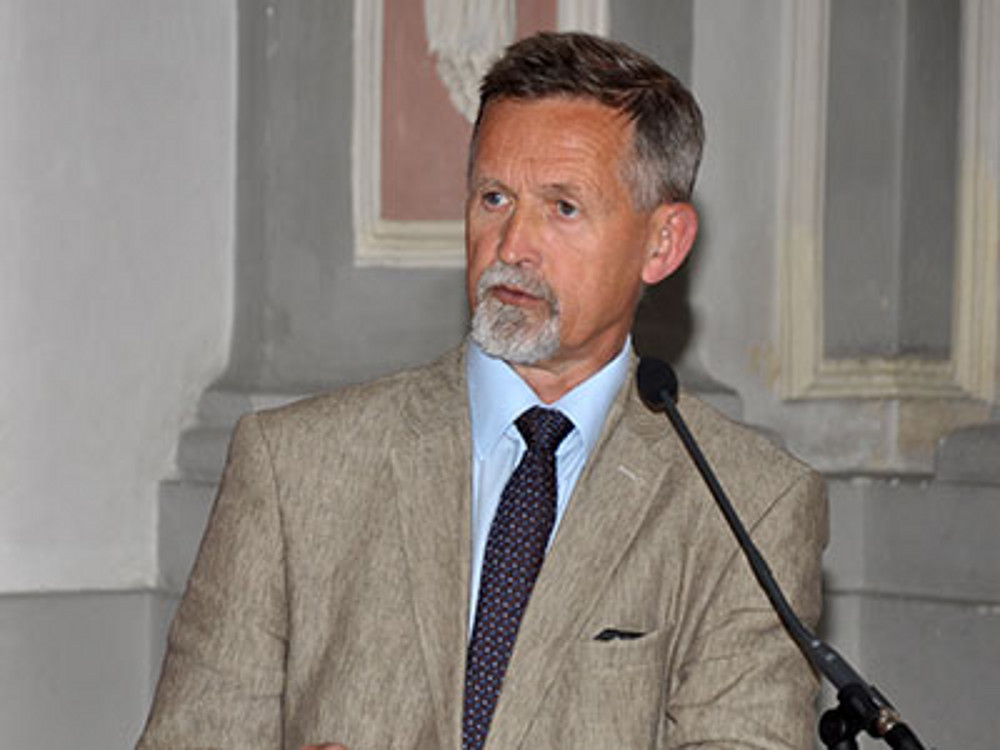
Lobte das ACIPSS: Prof. Harald Heppner, Leiter des Instituts für Geschichte, (auf Vorwärts-Pfeil klicken)

Lobte das ACIPSS: Prof. Harald Heppner, Leiter des Instituts für Geschichte, (auf Vorwärts-Pfeil klicken)

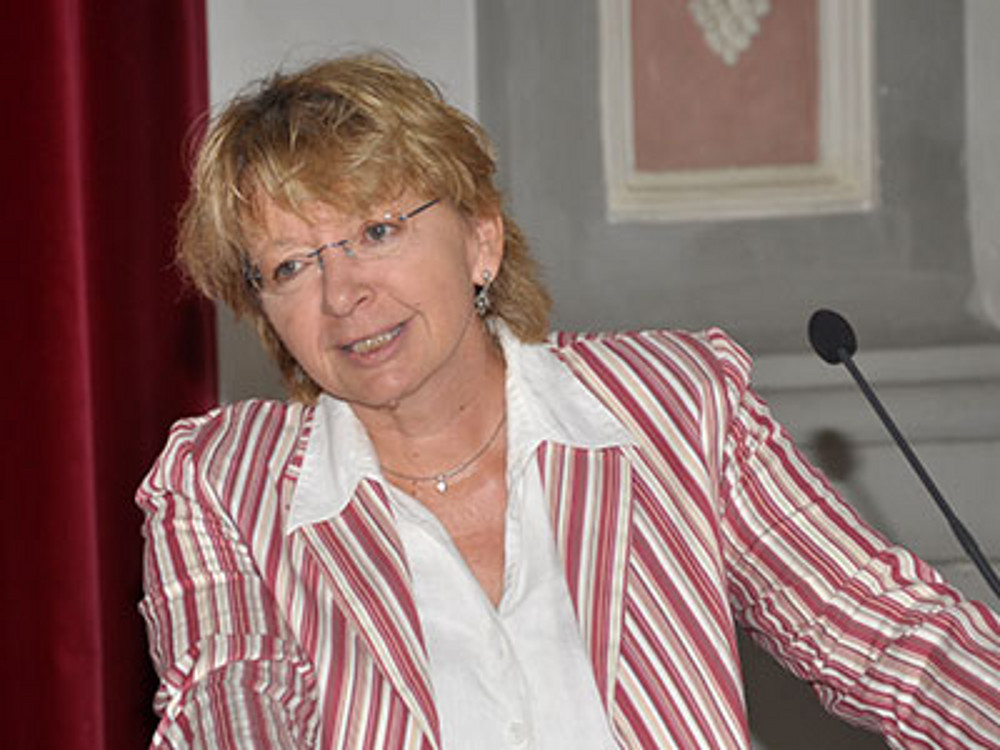
ebenso wie Prof. Gabriele Haug-Moritz, die die Gründung des ACIPSS unterstützt hat.

ebenso wie Prof. Gabriele Haug-Moritz, die die Gründung des ACIPSS unterstützt hat.

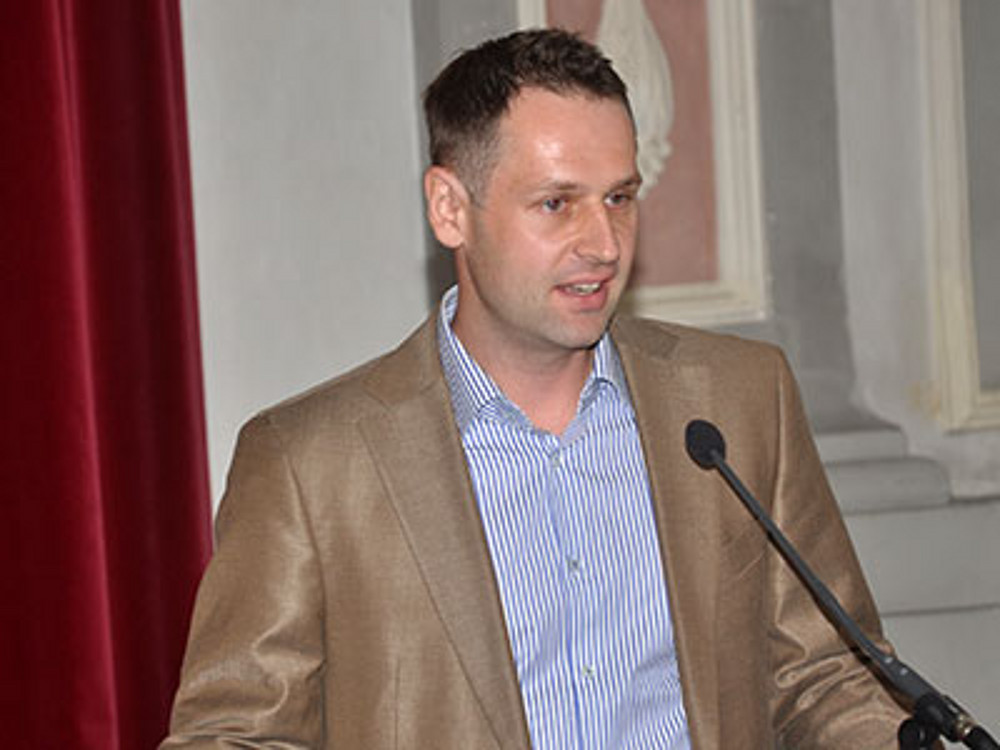
Vertreter der zukünftigen Kooperation der Stadt Graz mit dem ACIPSS: Werner Miedl ...

Vertreter der zukünftigen Kooperation der Stadt Graz mit dem ACIPSS: Werner Miedl ...

... und Gemeinderat Armin Sippel

... und Gemeinderat Armin Sippel

Das Austrian Center for Intelligence, Propaganda and Security Studies lud zur Jubiläumskonferenz

Die Methoden des US-Geheimdienstes NSA haben in jüngster Vergangenheit durch die Enthüllungen Edward Snowdens für negative Schlagzeilen und breites öffentliches Interesse gesorgt. Der wissenschaftlichen Auseinandersetzung mit dem spannenden Themenfeld rund um die Arbeit von Nachrichtendiensten, Propaganda und Sicherheitspolitik widmet sich seit 2004 das ACIPSS – Austrian Center for Intelligence, Propaganda and Security Studies. Das Zentrum, das am Institut für Geschichte der Uni Graz angesiedelt ist, feierte am 25. Juni 2014 sein zehnjähriges Bestehen mit einer Jubiläumskonferenz im Meerscheinschlössl.


„Schon bei Homer spielten das Sammeln von Nachrichten und Spionage eine wichtige Rolle“, warf Univ.-Prof. Dr. Peter Scherrer, Vizerektor für Forschung und Nachwuchsförderung, bei seiner Begrüßung einen Blick zurück in die Antike. Und ACIPSS-Gründer Univ.-Prof.i.R. Dr. Siegfried Beer nannte es „das zweitälteste Gewerbe der Welt“: Geheimdienste üben eine Faszination auf die Menschen aus und ihre Aktivitäten betreffen die gesamte Gesellschaft. Doch nur wenig ist über sie bekannt. Das zu ändern, hat sich das ACIPSS zum Ziel gesetzt.

Siegfried Beer zog Bilanz über das erste Jahrzehnt der Einrichtung, die ihre Aufgaben sowohl in der Wissenschaft und Forschung als auch in der Lehre und Weiterbildung sieht. „Zum einen befassten wir uns mit der Analyse und Interpretation gegenwärtiger Probleme, zum anderen betreiben wir Öffentlichkeitsarbeit im Sinne von Aufklärung, um das Wissen über die Tätigkeit von Nachrichtendiensten in der Bevölkerung zu erhöhen“, fasste Beer zusammen.


Ein zentrales Anliegen des ACIPSS war und ist auch die Förderung des wissenschaftlichen Nachwuchses. So sind zahlreiche junge talentierte ForscherInnen mit großen Engagement am Zentrum tätig und wesentlich für den Erfolg der Einrichtung mitverantwortlich, die auch international viel Beachtung und Anerkennung erfährt.

Dazu tragen nicht zuletzt der wöchentliche Newsletter mit über 600 AbonnentInnen und das Magazin JIPSS, von dem seit 2007 fünfzehn Ausgaben mit Artikeln in Deutsch und Englisch erschienen sind, bei. Insgesamt 3000 Seiten haben die Beiträge des Journals, herausgegeben von Siegfried Beer und Univ.-Doz. Dr. Martin Moll, bereits gefüllt. Zielgruppe ist neben der Scientific Community auch die interessierte Öffentlichkeit.

In Planung ist eine zukünftige Kooperation mit der Stadt Graz: Die ExpertInnen des ACIPSS sollen die Politik in Fragen der Sicherheit beraten.


Das Konferenz-Programm eröffnete eine Diskussion über „das globale geheimdienstliche Geschäft nach 9/11 und Edward Snowden sowie die Notwendigkeit, darüber Studien zu betreiben“ – auf dem Podium die Tagungsreferenten Cees Wiebes (Amsterdam), Laszlo Ritter (Budapest), Emil Bobi (Wien) und Bernd Michaelsen (Erfurt). Nach den Vorträgen am Nachmittag lud das ACIPSS zur Jubiläumsparty.

created by Gudrun Pichler

Related news

Austria’s emissions rose in 2025: University of Graz researchers analyse the causes

The Environment Agency Austria has today published the figures for the country’s greenhouse gas emissions in 2025. While emissions fell sharply year on year from 2022 to 2024, they rose again by just under 0.7 per cent in 2025. Researchers at the University of Graz have analysed how much of this increase was due to structural changes in the economy and how much was attributable to external factors over which there is little control. “In 2025, the colder winter compared with 2024 increased emissions by 0.81 per cent, while the weak economy reduced them by 0.38 per cent. If we factor out these influences, we find an underlying increase of 0.26 per cent compared with the previous year,” reports economist Karl Steininger. “This clearly means that Austria is not on track to meet its climate targets, which require a substantial reduction in emissions by 2030.”

Electrifying: Researchers film the first moments on the way from light to electricity

Physicists at the University of Graz (Austria), in collaboration with colleagues from Marburg University and Forschungszentrum Jülich (Germany), have achieved a scientific breakthrough. For the first time, the generation of electrical energy from light has been filmed and described theoretically. This work is of far-reaching significance, not least for optimising sustainable energy production from photovoltaics. This is because it provides fundamental building blocks for understanding the physical processes that take place, for example, in organic solar cells. The paper was published in the journal Physical Review X, one of the world’s most prestigious physics journals.

University of Graz: Working together to make Styria a sustainable centre of learning

Round table calls for sustainable funding for the 2028–2030 performance agreement period between the five Styrian universities and the federal government.

How can we teach using YouTube and AI? The University of Graz is strengthening media education in schools

A journey through the blood vessels using VR headsets brings biology lessons to life. An interactive quiz brings physics to life. The YouTube video explains the First World War. Whilst mobile phones are increasingly being banned from the classroom, social media platforms, apps and AI are playing an ever-greater role in knowledge transfer at school. But how can teaching with media be made even more effective? What are the challenges in media-based teaching? At the University of Graz, researchers are discussing these issues at a conference being held in Austria for the first time.

Begin of page section:
Additional information:

University of Graz
Universitaetsplatz 3
8010 Graz
Austria
  • Contact
  • Web Editors
  • Moodle
  • UNIGRAZonline
  • Imprint
  • Data Protection Declaration
  • Accessibility Declaration
Weatherstation
Uni Graz

End of this page section. Go to overview of page sections

End of this page section. Go to overview of page sections

Begin of page section:

End of this page section. Go to overview of page sections