Begin of page section:
Page sections:

  • Go to contents (Accesskey 1)
  • Go to position marker (Accesskey 2)
  • Go to main navigation (Accesskey 3)
  • Go to sub navigation (Accesskey 4)
  • Go to additional information (Accesskey 5)
  • Go to page settings (user/language) (Accesskey 8)
  • Go to search (Accesskey 9)

End of this page section. Go to overview of page sections

Begin of page section:
Page settings:

English en
Deutsch de
Search
Login

End of this page section. Go to overview of page sections

Begin of page section:
Search:

Search for details about Uni Graz
Close

End of this page section. Go to overview of page sections


Search

Begin of page section:
Main navigation:

Page navigation:

  • University

    University
    • About the University
    • Organisation
    • Faculties
    • Library
    • Working at University of Graz
    • Campus
    Developing solutions for the world of tomorrow - that is our mission. Our students and our researchers take on the great challenges of society and carry the knowledge out.
  • Research Profile

    Research Profile
    • Our Expertise
    • Research Questions
    • Research Portal
    • Promoting Research
    • Research Transfer
    • Ethics in Research
    • Commission for Scientific Integrity
    Scientific excellence and the courage to break new ground. Research at the University of Graz creates the foundations for making the future worth living.
  • Studies

    Studies
    • Prospective Students
    • Students
  • Community

    Community
    • International
    • Location
    • Research and Business
    • Alumni
    The University of Graz is a hub for international research and brings together scientists and business experts. Moreover, it fosters the exchange and cooperation in study and teaching.
Topics
  • Sustainable University
  • Researchers answer
  • Work for us
Close menu

End of this page section. Go to overview of page sections

Begin of page section:
You are here:

University of Graz News Wie wird der Mensch zum Zahlengenie?

End of this page section. Go to overview of page sections

Monday, 25 March 2019

Wie wird der Mensch zum Zahlengenie?

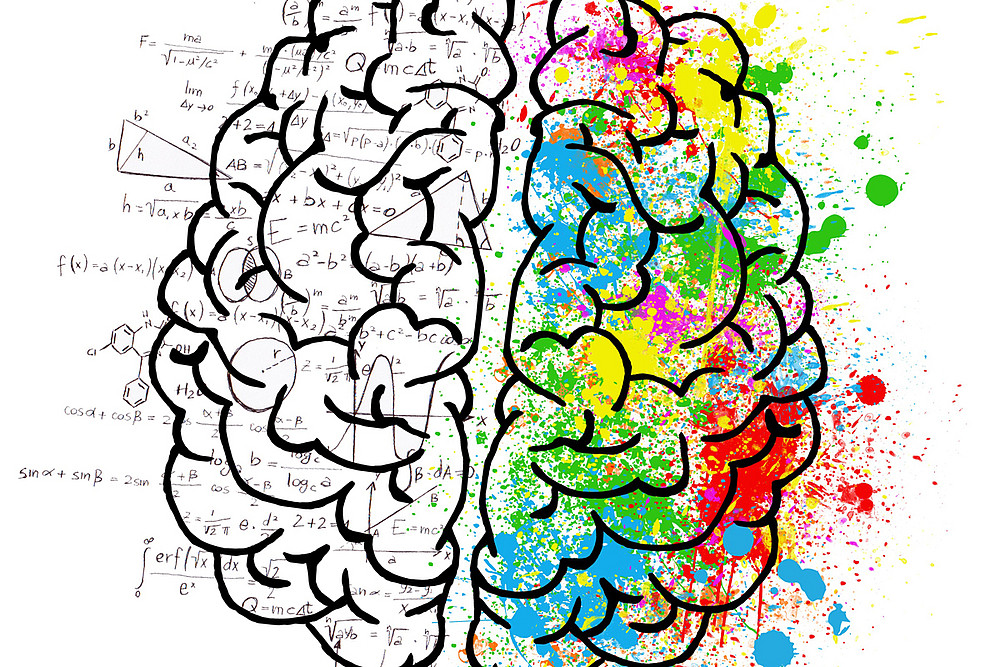
Das Verarbeiten mathematischer Prozesse wird im Gehirn sichtbar. Der Grazer Psychologe erforscht wie man diese Verbindungen stimulieren kann, um zum Beispiel den Lernerfolg zu verbessern. Foto: pixabay.com

Das Verarbeiten mathematischer Prozesse wird im Gehirn sichtbar. Der Grazer Psychologe erforscht wie man diese Verbindungen stimulieren kann, um zum Beispiel den Lernerfolg zu verbessern. Foto: pixabay.com

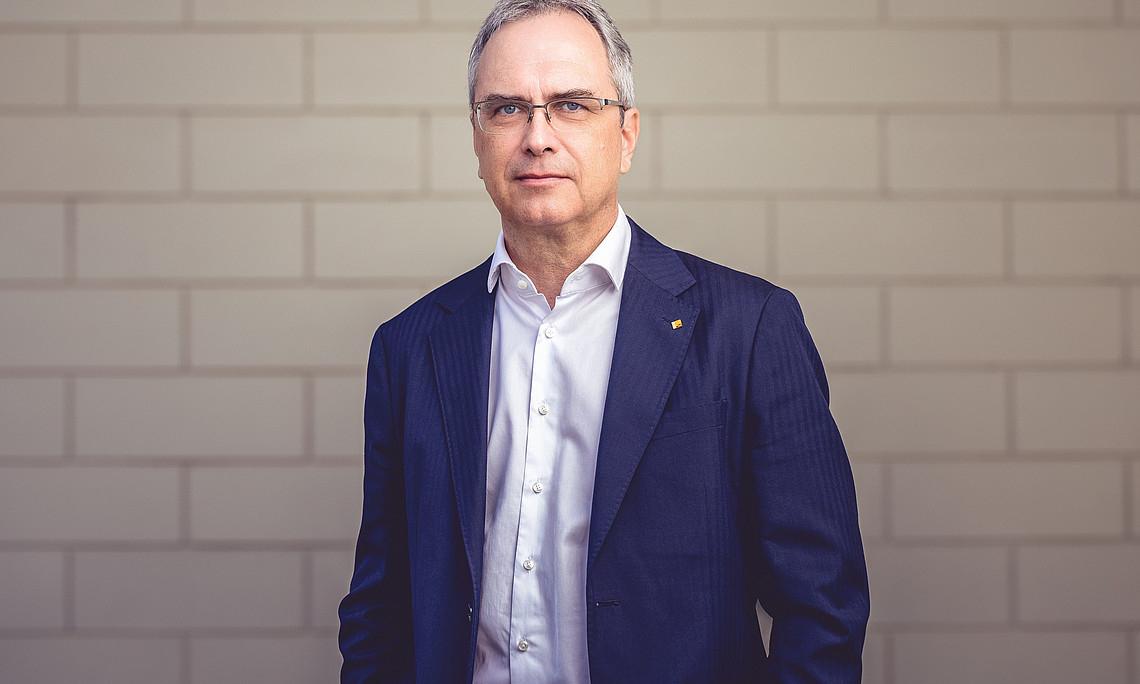
Was tut sich im Gehirn, wenn der Mensch mathematisiert? Roland Grabner versucht das zu verstehen

Begabungsunterschiede und Lernprozesse besser verstehen: Das ist das Forschungsgebiet des Neuropsychologen Roland Grabner. Er betrachtet mit seinem Team das Mathematiklernen aus unterschiedlichen Blickwinkeln. Von der frühen mathematischen Entwicklung über das Verstehen von Arithmetik bis hin zur mathematischen Hochbegabung. Fragestellungen dabei sind etwa, wie Lernen im Gehirn abläuft und was die neuronalen Prozesse dabei sind. Wenn die ForscherInnen diese Prozesse besser verstehen, kann die Entwicklung mathematischer Kompetenzen zielgerichteter unterstützt werden.

Es konnte in Studien gezeigt werden, dass sich mathematisch unterschiedlich begabte Personen in der Aktivität bestimmter Gehirnregionen unterscheiden und dass diese Regionen auch eine wichtige Rolle beim Erwerb und der Anwendung mathematischen Wissens spielen. Darüber hinaus liegen erste Ergebnisse vor, dass durch nicht-invasive, also von außen einwirkende elektrische Stimulation dieser Gehirnregionen der individuelle Lernerfolg gerade in der Mathematik verbessert werden kann.

Hier geht es zur Sedcard
created by Konstantin Tzivanopoulos

Related news

What matters in the end: moral theologian takes stock of assisted suicide

Since 1 January 2022, assisted suicide has been legal in Austria under certain conditions. This was made possible by a ruling of the Constitutional Court, which overturned the blanket ban on assisting in suicide. Four years on, it is clear that: “Although the legal framework is in place, many pressing questions remain unanswered when it comes to its practical implementation,” says Johann Platzer, a moral theologian at the University of Graz.

Noise is the signal: new simulation method enables secure communication

Researchers from Graz, Vienna and Munich have developed a new simulation method that makes it possible to calculate quantum light using classical software – a step towards secure quantum communication.

Massacre and Memory: University of Graz addresses the wounds of history

A conference on 12 and 13 June 2026 at the Jesuit Refectory will focus on trauma in Eastern and South-Eastern Europe.

Das Genie in uns

Was macht eine Persönlichkeit aus und was ist für die (Aus-)Bildung dieser notwendig? Fähigkeiten und Begabungen können im Schulalter gefördert und trainiert werden, sagen Aljoscha Neubauer und Roland Grabner. Die Psychologen wünschen sich ein Umdenken der Politik und mehr Initiativen zur Förderung von Talenten bei jungen Menschen.

Begin of page section:
Additional information:

University of Graz
Universitaetsplatz 3
8010 Graz
Austria
  • Contact
  • Web Editors
  • Moodle
  • UNIGRAZonline
  • Imprint
  • Data Protection Declaration
  • Accessibility Declaration
Weatherstation
Uni Graz

End of this page section. Go to overview of page sections

End of this page section. Go to overview of page sections

Begin of page section:

End of this page section. Go to overview of page sections