

According to a study by Economica, gross value added in Austria generated by artificial intelligence could rise by up to 18 per cent in the long term, which corresponds to an additional value-added potential of around 72 billion euros per year. Across Europe, experts estimate the additional annual economic output at up to three trillion euros. This makes it all the more important not only to take part in the global AI race, but also to shape the framework conditions ourselves through digital sovereignty and to set guidelines within which Europe can realise its potential.
The timing of the Technology Impact Summit could not be better. Following calls from leading US companies to slow down and regulate AI development more strictly due to superintelligence risks, as well as the security incidents surrounding OpenAI and Anthropic’s IPO: Where does Europe stand on these issues, and what other opportunities are emerging? And how can Austria, in principle, harness the potential of AI without falling behind in terms of digital sovereignty and security?
, says Markus Fallenböck (University of Graz), one of the summit’s initiators, summing up the key issues.
Under the title “Europe’s Digital Future – Between Sovereignty, Security and the AI Race”, international and local experts from the worlds of politics, academia, business and technology will engage in dialogue at the third Technology Impact Summit (TIS) to explore the questions that will shape the future. This interdisciplinary think-tank event, a joint initiative of the University of Graz, Graz University of Technology, JOANNEUM RESEARCH and FH JOANNEUM, once again bridges the gap between practical insights into the business world and academic perspectives; since its foundation in 2024, it has developed into a key platform for discourse, giving rise to both long-term strategies and concrete collaborations between business, academia and politics.
Different perspectives on Europe’s digital future
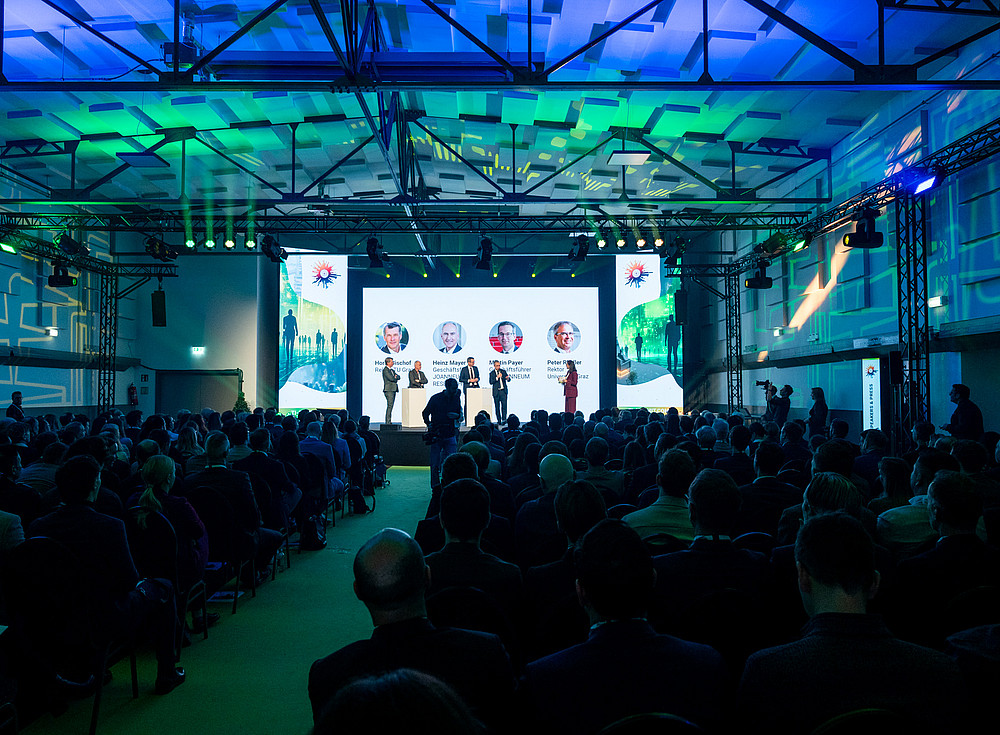
Current positions from the worlds of politics and academia will be represented by Provincial Councillor Willibald Ehrenhöfer (Province of Styria) and Head of Section Elmar Pichl (Federal Ministry for Women, Science and Research). The role of science and research will be explored in a discussion with the rectors and managing directors Horst Bischof (Graz University of Technology), Heinz Mayer (JOANNEUM RESEARCH), Martin Payer (FH JOANNEUM) and Peter Riedler (University of Graz).
This year’s Technology Impact Summit will be opened by Agnes Heftberger (Microsoft) with her keynote address ‘Europe’s Digital Future’. Discussing this topic will be Philipp Amann (European Central Bank), Daniel Keinrath (fonio), Georg List (AVL List), Stefan Mangard (Graz University of Technology) and Hannah Wundsam (AustrianStartups). Together, in a discussion moderated by Katrin-Cécile Ziegler, they will explore how Europe could win the global race.
Philipp Töbich (SAP) and Christian Winkelhofer (Accenture) will debate whether Europe’s sovereignty is a dream or a reality as part of a “Near Future Debate”.
Futurist Tristan Horx (Horx Future) will offer a glimpse into the future, before Alexander Pröll, State Secretary for Digitalisation, reports on current political implementations and future plans at national and European level.
CANCOM, DaphOS.ai together with the University of Graz, Experts Inside, EY in cooperation with AVL List, FH JOANNEUM, JOANNEUM RESEARCH, MANZ together with Noxtua, as well as Taceo and Graz University of Technology.
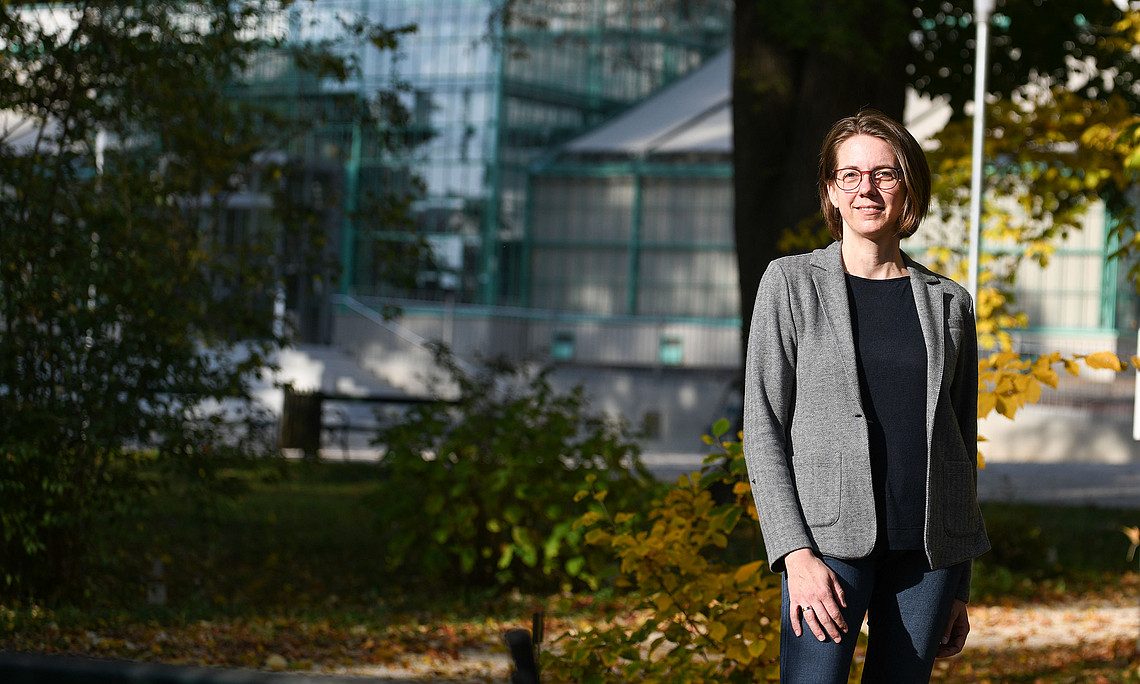
Markus Fallenböck (University of Graz), Andrea Höglinger (Graz University of Technology), Wolfgang Granigg (FH JOANNEUM) and Helmut Wiedenhofer (JOANNEUM RESEARCH) at this high-profile think tank event.
About the Technology Impact Summit
The Technology Impact Summit is a joint initiative of the University of Graz, Graz University of Technology, JOANNEUM RESEARCH and FH JOANNEUM. This think-tank event offers a unique platform on which the latest developments and trends are discussed and reflected upon in depth, building bridges between science, technology and application. Highly focused discussions are ensured through ‘Oxford-style debates’ or presentations of use cases as part of concise ‘Lightning Talks’. The Technology Impact Summit 2026 is supported by Accenture, Austria Wirtschafts Service, the Austrian Banking Association, Bechtle, the Federal Ministry for Women, Science and Research, the Federal Ministry for Economy, Energy and Tourism, CANCOM, Der Brutkasten, Die Presse, Energie Steiermark, Experts Inside, EY, GRAWE, Graz Holding, Huawei, the Styrian Industrial Association, Kleine Zeitung, Knapp, the Province of Styria, Magna, MANZ, NTS, Raiffeisen-Landesbank Steiermark, RTR, Steiermärkische Sparkasse, Volksbank Steiermark and the Styrian Chamber of Commerce. Further information is available at ti-summit.com
Translated with DeepL