Begin of page section:
Page sections:

  • Go to contents (Accesskey 1)
  • Go to position marker (Accesskey 2)
  • Go to main navigation (Accesskey 3)
  • Go to sub navigation (Accesskey 4)
  • Go to additional information (Accesskey 5)
  • Go to page settings (user/language) (Accesskey 8)
  • Go to search (Accesskey 9)

End of this page section. Go to overview of page sections

Begin of page section:
Page settings:

English en
Deutsch de
Search
Login

End of this page section. Go to overview of page sections

Begin of page section:
Search:

Search for details about Uni Graz
Close

End of this page section. Go to overview of page sections


Search

Begin of page section:
Main navigation:

Page navigation:

  • University

    University
    • About the University
    • Organisation
    • Faculties
    • Library
    • Working at University of Graz
    • Campus
    Developing solutions for the world of tomorrow - that is our mission. Our students and our researchers take on the great challenges of society and carry the knowledge out.
  • Research Profile

    Research Profile
    • Our Expertise
    • Research Questions
    • Research Portal
    • Promoting Research
    • Research Transfer
    • Ethics in Research
    • Commission for Scientific Integrity
    Scientific excellence and the courage to break new ground. Research at the University of Graz creates the foundations for making the future worth living.
  • Studies

    Studies
    • Prospective Students
    • Students
    • Welcome Weeks for First Year Students
  • Community

    Community
    • International
    • Location
    • Research and Business
    • Alumni
    The University of Graz is a hub for international research and brings together scientists and business experts. Moreover, it fosters the exchange and cooperation in study and teaching.
Topics
  • Sustainable University
  • Researchers answer
  • Work for us
Close menu

End of this page section. Go to overview of page sections

Begin of page section:
You are here:

University of Graz News Stürmische Sonne

End of this page section. Go to overview of page sections

Monday, 23 July 2012

Stürmische Sonne

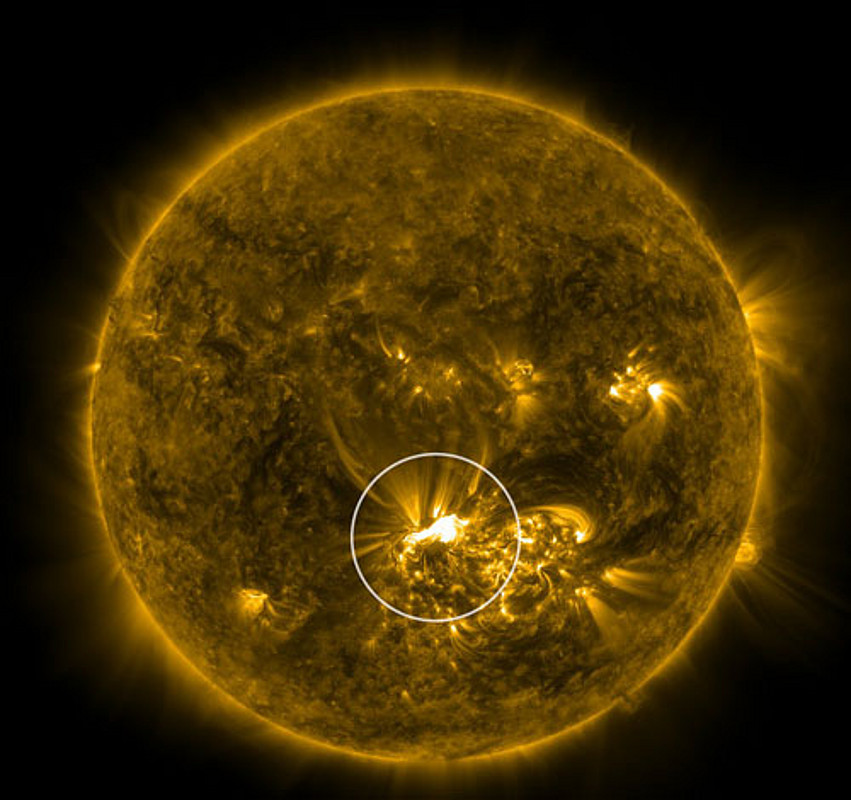
Sonnenstürme treffen die Erde immer wieder - im schlimmsten Fall lösen sie grobe Störungen im Erdmagnetfeld aus. Bild: NASA/SDO, 12. Juli 2012

Sonnenstürme treffen die Erde immer wieder - im schlimmsten Fall lösen sie grobe Störungen im Erdmagnetfeld aus. Bild: NASA/SDO, 12. Juli 2012

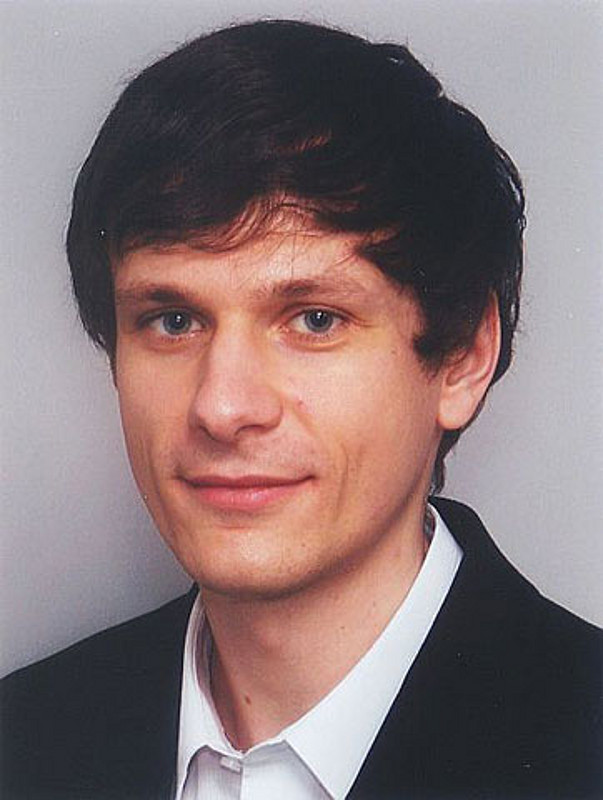
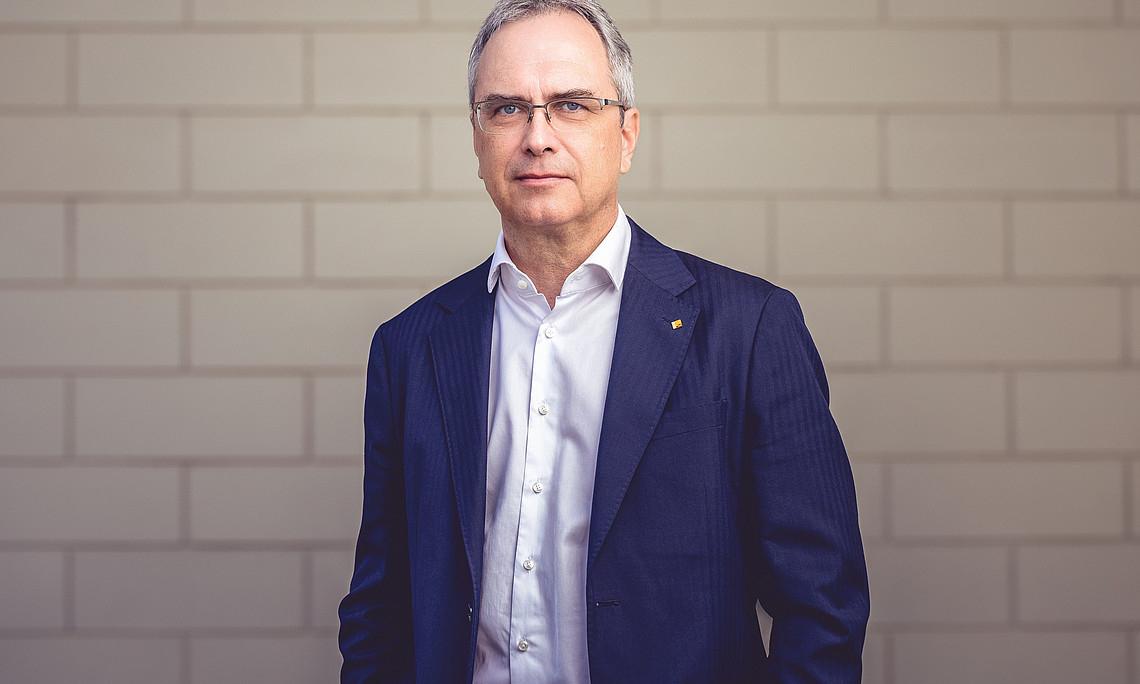
Dr. Christian Möstl entwickelte ein Modell zur besonders genauen Vorhersage von Sonnenstürmen.

Dr. Christian Möstl entwickelte ein Modell zur besonders genauen Vorhersage von Sonnenstürmen.

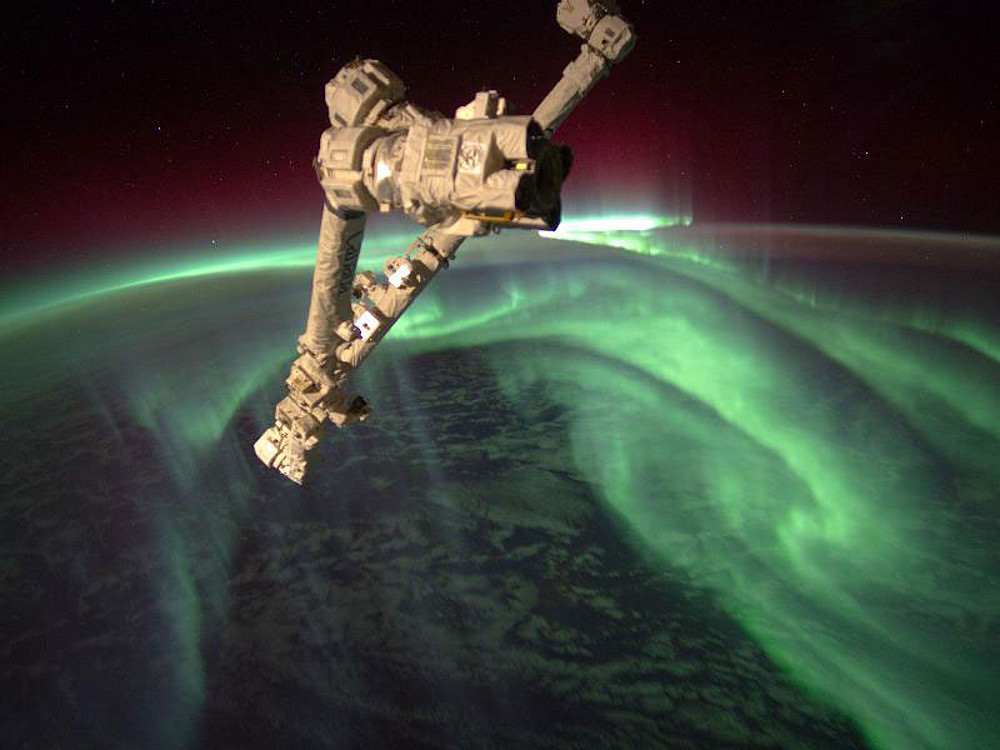
Das Nordlicht vom 14. Juli 2012, fotografiert von der Internationalen Raumstation der NASA. Bild: www.nasa.gov

Uni-Graz-Forscher sagte die Ankunftszeit eines koronalen Massenauswurfs am genauesten voraus

Wer am Wochenende vom 14./15. Juli 2012 ein Nordlicht gesehen hat, der kann sich für das Naturschauspiel bei einem ganz bestimmten Stern "bedanken": der Sonne. Diese stößt Plasma aus Regionen über so genannten Sonnenflecken aus. Der so entstandene geomagnetische Sturm erreichte die Erde genau vor einer Woche, verursachte vielerorts Störungen im Magnetfeld des Planeten und zeichnete in vielen nördlichen Bundesstaaten der USA, in Kanada, in Neuseeland und am Südpol Nordlichter in den Himmel.


Dieser "Zusammenprall" ist zwar verhältnismäßig glimpflich verlaufen, doch ist es immer besonders wichtig, die Ankunft von Sonnenstürme rechtzeitig zu erkennen. Zu groß wären die technischen Schäden an Stromnetzen am Erdboden und an Satelliten im All, könnten besonders starke "koronale Massenauswürfe" nicht vorausgesagt werden. Das Beste von acht verschiedenen Vorhersagemodellen - inklusive jenen der NOAA und NASA – für den Sturm am vergangenen Wochenende lieferte ein Forscher der Uni Graz.


Dr. Christian Möstl, zurzeit über ein EU Marie-Curie-Forschungsprojekt auf Auslandsaufenthalt an der University of California in Berkeley, USA, hat die Ankunftszeit des Sonnensturms am genauesten berechnet.  Seine Vorhersage basiert auf einem Modell, das in Zusammenarbeit mit Univ.-Prof. Dr. Bojan Vršnak, Universität Zagreb, Ass.-Prof. Dr. Manuela Temmer und Assoz. Univ.-Prof. Dr. Astrid Veronig von der Uni Graz entwickelt wurde.


"Eine gute Vorhersage sollte nach Möglichkeit erstens früh stattfinden und zweitens sehr genau sein", erklärt Möstl. Seine Berechnung, die lediglich fünf Stunden vom tatsächlichen Eintreffen des Sturms abwich, schickte der Astrophysiker bereits zwei Tage vor Ankunft des Sturms an eine Auswertestation am Boston College. "Im Fall eines stärkeren Massenauswurfs wäre also Zeit geblieben, um Sicherheitsvorkehrungen zu treffen", so Möstl. Solche Großereignisse mit potenziellem Risiko finden allerdings nur sehr selten statt, wie der Forscher betont.


Der Sturm im Erdmagnetfeld Mitte Juli war aber dennoch der zweitstärkste seit Dezember 2006. "Diese Stürme werden jetzt häufiger, weil die Sonne nach einem langen Aktivitätsminimum in den vergangenen Jahren gerade 'erwacht' ist und auf ihr Maximum zusteuert", erklärt der Wissenschafter. Das bedeutet unter anderem mehr Sonnenflecken und Eruptionen im Jahr 2013.


>> Das Modell ist über das Webinterface http://oh.geof.unizg.hr/CADBM/cadbm.php aufzurufen und frei zugänglich.

>> Den Bericht der NASA lesen Sie hier


created by Christian Möstl & Gerhild Kastrun

Related news

Austria’s emissions rose in 2025: University of Graz researchers analyse the causes

The Environment Agency Austria has today published the figures for the country’s greenhouse gas emissions in 2025. While emissions fell sharply year on year from 2022 to 2024, they rose again by just under 0.7 per cent in 2025. Researchers at the University of Graz have analysed how much of this increase was due to structural changes in the economy and how much was attributable to external factors over which there is little control. “In 2025, the colder winter compared with 2024 increased emissions by 0.81 per cent, while the weak economy reduced them by 0.38 per cent. If we factor out these influences, we find an underlying increase of 0.26 per cent compared with the previous year,” reports economist Karl Steininger. “This clearly means that Austria is not on track to meet its climate targets, which require a substantial reduction in emissions by 2030.”

Electrifying: Researchers film the first moments on the way from light to electricity

Physicists at the University of Graz (Austria), in collaboration with colleagues from Marburg University and Forschungszentrum Jülich (Germany), have achieved a scientific breakthrough. For the first time, the generation of electrical energy from light has been filmed and described theoretically. This work is of far-reaching significance, not least for optimising sustainable energy production from photovoltaics. This is because it provides fundamental building blocks for understanding the physical processes that take place, for example, in organic solar cells. The paper was published in the journal Physical Review X, one of the world’s most prestigious physics journals.

University of Graz: Working together to make Styria a sustainable centre of learning

Round table calls for sustainable funding for the 2028–2030 performance agreement period between the five Styrian universities and the federal government.

How can we teach using YouTube and AI? The University of Graz is strengthening media education in schools

A journey through the blood vessels using VR headsets brings biology lessons to life. An interactive quiz brings physics to life. The YouTube video explains the First World War. Whilst mobile phones are increasingly being banned from the classroom, social media platforms, apps and AI are playing an ever-greater role in knowledge transfer at school. But how can teaching with media be made even more effective? What are the challenges in media-based teaching? At the University of Graz, researchers are discussing these issues at a conference being held in Austria for the first time.

Begin of page section:
Additional information:

University of Graz
Universitaetsplatz 3
8010 Graz
Austria
  • Contact
  • Web Editors
  • Moodle
  • UNIGRAZonline
  • Imprint
  • Data Protection Declaration
  • Accessibility Declaration
Weatherstation
Uni Graz

End of this page section. Go to overview of page sections

End of this page section. Go to overview of page sections

Begin of page section:

End of this page section. Go to overview of page sections