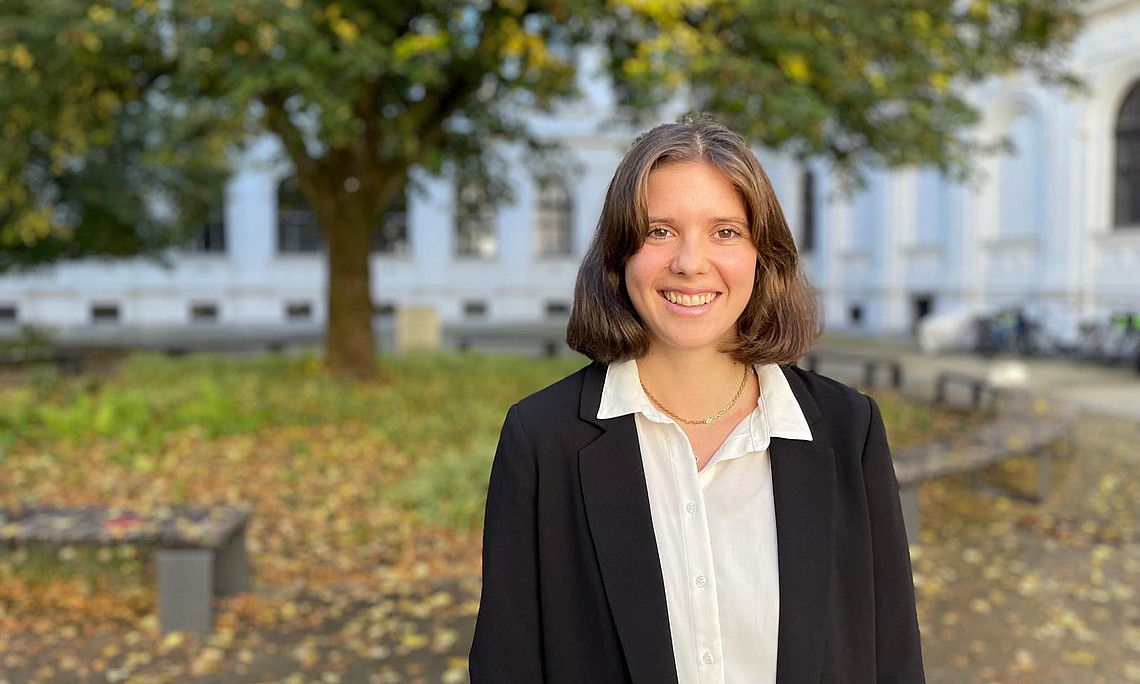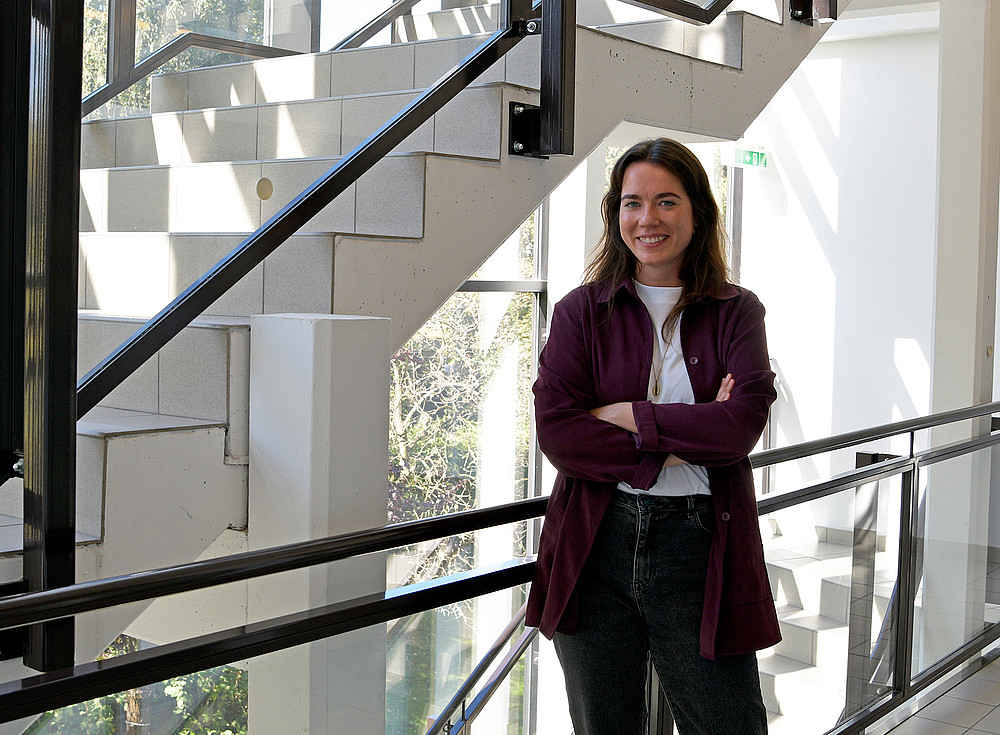
If we are to provide children in childcare settings with the best possible support and encouragement, there is no getting round the parents. “The family has the most formative influence on children. Only if parents are consulted and involved can childcare centres realise their full potential,” explains Theresia Hummel, who has been Professor of Early Years Education at the University of Graz since April 2026. However, there are still few tips and methods on how to meaningfully apply the theoretical knowledge about the importance of this relationship in the stressful day-to-day reality of childcare. This is precisely what the researcher aims to change.
So-called “casual chats” are an underrated tool for this. “They build trust. And the few minutes that carers devote to mums and dads ultimately also strengthen the relationship with the children.” This is what one of her studies has revealed. If parents have reservations about the childcare centres, the relationship with the little ones suffers too. How early years practitioners can deal professionally with such situations and enable parents to be more involved in everyday life at the centre is the focus of a specific training course developed by Hummel.
Team-building and leadership behaviour are further areas of focus for the researcher. “The team has a significant influence on how much stress educators feel. It can cushion the pressure or act as an amplifier,” explains the researcher. And this, in turn, has a direct impact on the children: “It is no coincidence that interaction and relationships amongst adults are a hallmark of quality in childcare settings,” emphasises Hummel. The researcher aims to roll out and evaluate as widely and as quickly as possible a health promotion programme developed during her previous post at the University of Bamberg in Germany: “It is important to me that my work has a practical impact and makes everyday life easier.”
Bridging worlds
Theresia Hummel completed her PhD in Educational Sciences at the Free University of Berlin and discovered her passion for research into early years education whilst undertaking various work placements and working as a supply staff member in nurseries and day-care centres. Observing sessions in these settings and monitoring the application of scientific findings is a particular priority for her: “Nursery schools are changing just as rapidly as society itself, so I have to stay on the ball.” She sees it as a special opportunity that, at the University of Graz – which she had already got to know as a visiting professor – she can not only conduct research but also teach future kindergarteners: “I’m delighted that both the research group and the degree programme in early years education are available here. That’s why I applied for the post straight away.”