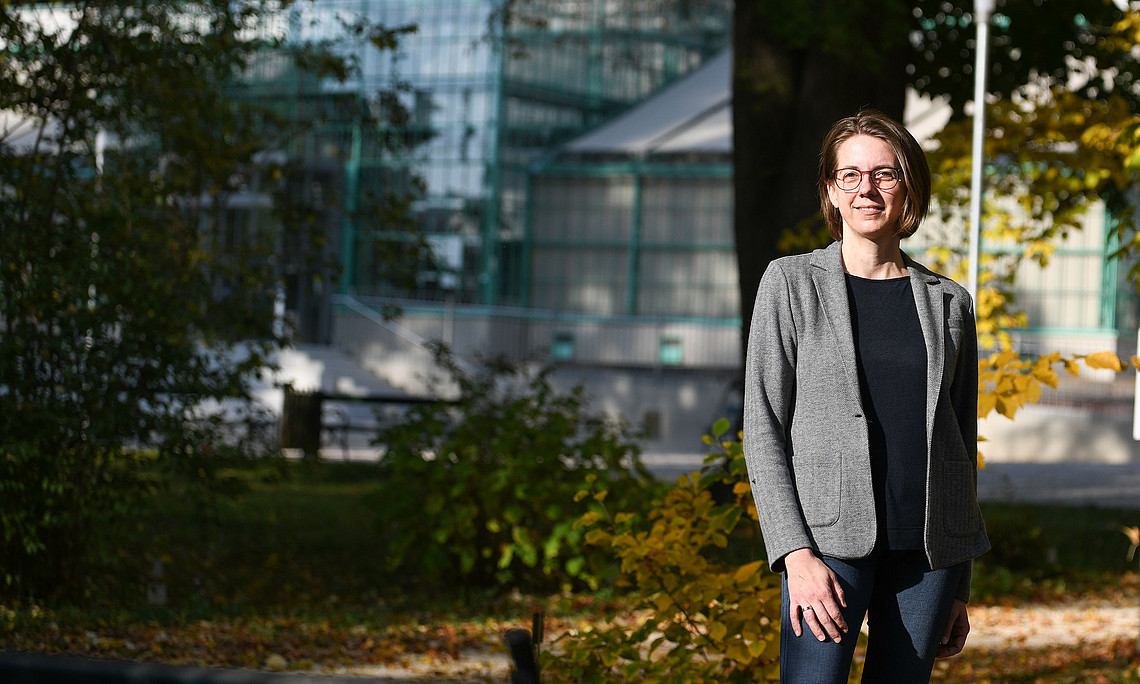
Since 2023, people with prior professional experience and additional teacher training have been able to teach. “There isn’t just one group of career changers,” Melanie Gürentz points out. Everyone has different reasons for choosing to work in the classroom. The spectrum ranges from a genuine calling to the desire to have plenty of holiday weeks, as she knows from a qualitative study involving 13 teachers at compulsory general education schools in Graz. Ultimately, this motivation affects how career changers identify with their work and, in turn, has an impact on the pupils. “Those who clearly identify with the profession are more likely to remain in the teaching profession,” confirms Melanie Gürentz. A lack of identification could indicate a further change of job.
Career changers with relevant professional experience are certified to teach a specific subject. However, the education researcher reports that they are sometimes assigned to teach subjects outside their field of expertise in order to fill gaps. “Overall, this is problematic for the quality of teaching,” she says. At the same time, many have a full teaching load and are simultaneously taking pedagogical courses as part of the university programme “Career Change to Secondary School Teaching”.
Altruistic motivation
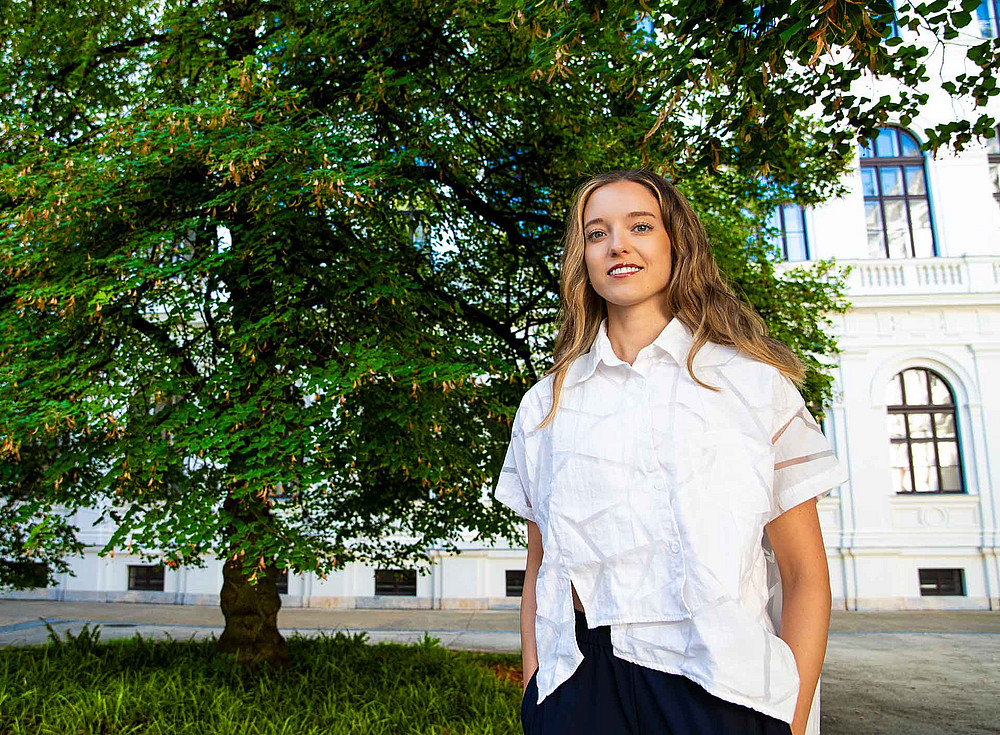
In a parallel study, Claudia Mair compared the motivation of subject-qualified teachers and career changers. To this end, the PhD student surveyed 619 teachers across Austria in secondary schools, polytechnic schools and academic secondary schools (AHS). Mair’s finding: altruistic motivation is slightly more pronounced among career changers. She explains: “They want to pass on knowledge to their pupils and pursue a meaningful role.” The differences are more pronounced in terms of both digital and communication skills. “The knowledge gained from their previous profession is put to very good use in planning and subject-specific expertise. The challenges, however, include classroom management, marking and bureaucratic procedures,” notes Mair.
Whether the transition into teaching is successful depends on individuals, not on structures, Claudia Mair warns: “What is crucial for satisfaction and retention in teaching is not so much the workload as the sense of being able to meet the demands.”
Melanie Gürentz confirms the significant role played by the school environment: “The key factor is how well they are accepted by colleagues and the headteacher, or how well the accompanying mentoring programme works.” The teacher herself is looking forward to teaching again. Having completed her PhD at the University of Graz, she will be returning to the classroom in September as a secondary school teacher of English and French.
Teacher training
With its teacher training programme covering more than 20 subjects, the University of Graz is helping to address the shortage of teachers. With the current 2026/2027 winter semester, the Bachelor’s programme has been shortened from eight to six semesters. The subsequent Master’s programme lasts four semesters. In the 2024/25 academic year, around 450 graduates completed their training.